

A dental check-up is not only about finding holes in teeth. An experienced dentist may consider your symptoms, dental history, gum health, bite, lifestyle factors and treatment preferences before suggesting what comes next. The aim is to understand your mouth as a whole, then explain any findings in a way that helps you make informed decisions.
If you are booking a routine appointment in Geelong, or it has been a while since your last visit, knowing what your dentist is thinking about can make the appointment feel more predictable. Your check-up may be simple, or it may identify areas that need monitoring, preventive care or further treatment.
What an experienced dentist may look for first
At the beginning of a check-up, your dentist will usually ask about your reason for visiting. Even if you are attending for a routine review, small details can guide the examination.
You may be asked about tooth sensitivity, bleeding gums, pain when chewing, dry mouth, jaw clicking, bad taste, recent dental work or any changes you have noticed. Your dentist may also ask about medical conditions, medications, pregnancy, smoking, diabetes or previous reactions to dental treatment, as these can affect oral health and treatment planning.
During this part of the check-up, an experienced dentist is not only listening for symptoms. They are also looking for patterns, such as whether discomfort is linked to a particular tooth, whether gum bleeding is new or ongoing, or whether a concern may need prompt assessment rather than routine monitoring.
For first-time patients, this conversation can also help your dentist understand your comfort level with dental treatment. If you feel nervous, prefer slower explanations or have had a difficult dental experience before, it is reasonable to mention this early.
Checking teeth, gums and soft tissues
A dental examination usually includes several areas of the mouth, not just the teeth you can see when you smile.
Your dentist may check for tooth decay, cracks, worn edges, broken fillings, plaque, tartar and signs that older dental work may need review. Existing crowns, bridges, veneers, implants or dentures may also be assessed for fit, wear or areas that are harder to clean.
Gum health is another major part of a check-up. Your dentist may look for inflammation, bleeding, gum recession and spaces between the tooth and gum, sometimes called periodontal pockets. Gum disease can be mild at first, and some people do not notice symptoms until it is more advanced.
The soft tissues of the mouth also matter. Your dentist may examine the tongue, cheeks, lips, palate and floor of the mouth for ulcers, lumps, colour changes or other concerns. This is not about causing alarm. It is a routine part of checking the mouth properly and deciding whether anything needs monitoring or referral.
For example, an experienced dentist may connect dry mouth symptoms with medication use, tooth wear with grinding or gum changes with brushing technique. These links can help shape advice that is more useful than simply saying something looks “fine” or “not fine”.
When X-rays may be considered
Dental X-rays, also called radiographs, are not needed for every person at every visit. Your dentist may recommend them when they can add useful information that cannot be seen during a visual examination.
X-rays may help assess areas between teeth, bone levels around teeth, wisdom teeth position, tooth roots, previous dental work or infection around a tooth. The decision depends on your symptoms, age, dental history, risk of decay, gum health and when X-rays were last taken.
The Australian Dental Association’s patient site, Teeth.org.au, provides general oral health information for patients, including preventive dental care and common dental procedures. If X-rays are recommended, your dentist should explain why they may be useful and how the information could affect your care.
Some patients are concerned about radiation exposure. Modern dental X-rays use relatively low doses, but they should still be taken only when clinically justified. If you are pregnant, trying to become pregnant or have concerns about previous imaging, tell your dentist before any X-rays are taken.
| Check-up area | What may be assessed | Why it may matter |
|---|---|---|
| Teeth and fillings | Decay, cracks, wear, broken restorations | May identify issues before they become more complex |
| Gums | Bleeding, inflammation, recession, pocket depths | Helps assess gum disease risk and cleaning needs |
| Bite and jaw | Grinding signs, jaw tenderness, uneven wear | May explain discomfort, chipped teeth or headaches in some cases |
| Soft tissues | Tongue, cheeks, lips, palate, ulcers or lumps | Supports broader oral health screening |
| X-rays when indicated | Areas between teeth, roots, bone levels, wisdom teeth | Provides information not visible during the examination |
How prevention is considered during your visit
Prevention is often the most practical part of a check-up. Rather than waiting until a tooth hurts, your dentist may look for early signs that your oral health habits need adjusting.
This might include discussing brushing technique, flossing or interdental brushes, fluoride toothpaste, diet, acidic drinks, sports mouthguards, grinding habits or how often professional cleaning may be appropriate. Advice should be based on your mouth, not a generic list of rules.
An experienced dentist may also consider whether your risk of dental problems has changed. For instance, a new medication may contribute to dry mouth, a busy routine may make snacking more frequent or orthodontic appliances may create new cleaning challenges. These factors do not mean something is wrong with you. They simply help your dentist tailor practical advice.
If you would like a broader overview of routine dental care, Gentle Dental Geelong has a helpful article on what general dental treatment may include, including check-ups, cleaning, X-rays, fillings, gum care and treatment planning.
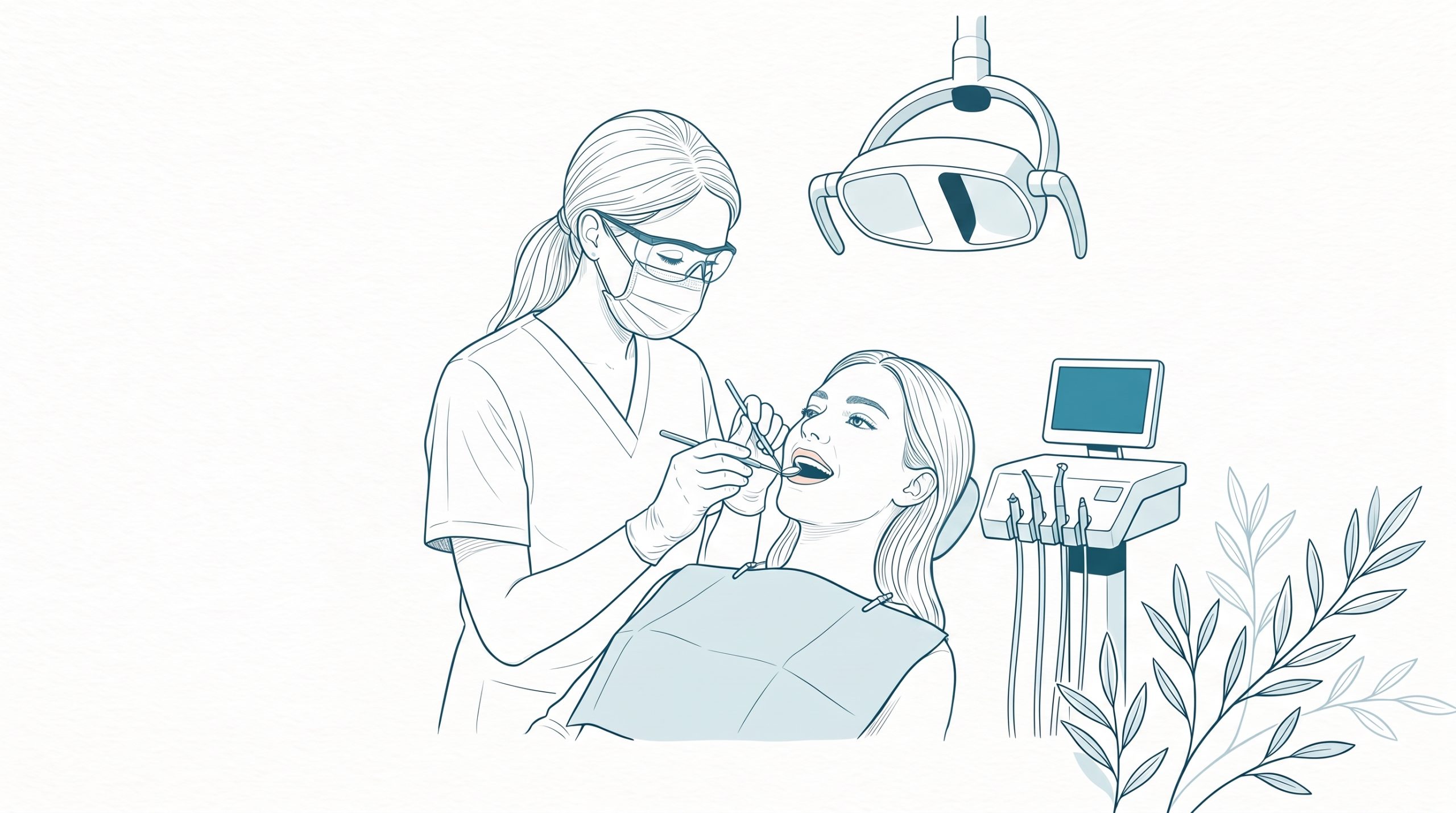
Considering comfort, anxiety and communication
A good check-up is not only a technical examination. Communication affects how well you understand your oral health, what options are available and whether you feel comfortable asking questions.
Your dentist may check whether you would prefer a detailed explanation during the examination or a summary afterwards. Some patients like seeing X-rays or photos. Others prefer plain language without too much detail. Both preferences are reasonable.
If you are anxious about dental visits, tell the dental team. Your dentist may be able to adjust the pace of the appointment, explain instruments before using them, agree on a stop signal or discuss options that may help during future care. For some procedures, options such as sleep dentistry may be considered after a clinical assessment, medical review and discussion of risks and suitability.
You can also ask about costs, appointment length and alternatives before agreeing to treatment. Informed consent means you should have enough information about the likely benefits, limitations, risks and reasonable options to make a decision that suits your circumstances.
How your dentist may think about treatment options
Not every finding during a check-up needs immediate treatment. Some early changes may be watched, supported with preventive care or reviewed at a future appointment. Other findings may need treatment sooner, especially if there is pain, infection, structural damage or risk of the problem worsening.
An experienced dentist will also consider your broader situation before discussing options. This may include your oral hygiene, gum health, remaining tooth structure, bite forces, medical history, budget, timeframes and personal preferences. A filling, crown, root canal treatment, extraction, implant or no treatment at that time may each be appropriate in different circumstances, depending on the diagnosis.
Dental treatment also carries potential risks. For example, a filling may not resolve symptoms if the nerve inside the tooth is already inflamed. A crown may protect a weakened tooth, but it still requires tooth preparation and future maintenance. An extraction may remove a problematic tooth, but it can affect chewing, appearance and neighbouring teeth depending on its location.
If more than one option is available, your dentist should explain the likely purpose of each option, what the appointment may involve, expected recovery where relevant and what could happen if treatment is delayed or declined.
For a patient-friendly outline of a typical appointment flow, you may find what happens during a dental visit useful before booking.
Check-ups for children, adults and older patients
Dental check-ups can look different depending on age and life stage. Children may need support with brushing technique, eruption of adult teeth, fissure sealants, fluoride advice and monitoring of bite development. Parents may also ask about Medicare’s Child Dental Benefits Schedule, which can help eligible children access basic dental services.
Adults may need monitoring for decay, gum disease, wisdom teeth, tooth wear, old fillings, cosmetic concerns or changes linked with work routines, diet, stress or medication. Older adults may need additional attention to dry mouth, gum recession, dentures, implants, exposed root surfaces or the impact of medical conditions on oral health.
An experienced dentist may adapt the check-up to suit these different needs rather than using the same approach for every patient. For families, this can make routine care more practical, particularly when several family members have different concerns.
Gentle Dental Geelong has also written a practical overview of family dental care at every age, which may be helpful if you are organising care for children, teens, adults or older relatives.
When a check-up should not wait
Routine check-ups are useful, but some symptoms should be assessed sooner. You should contact a dentist promptly if you have facial swelling, severe toothache, dental trauma, a knocked-out adult tooth, uncontrolled bleeding, difficulty opening your mouth, fever with dental pain or signs of infection.
Other concerns may not be emergencies but still deserve assessment, such as persistent bleeding gums, a sore that does not heal, a loose adult tooth, pain when biting, a cracked tooth, ongoing bad taste or wisdom tooth discomfort.
Healthdirect provides general Australian health information and can help people decide where to seek care for different symptoms. For dental concerns, a dental examination is usually needed to identify the cause and discuss suitable options.
Questions you can ask during your check-up
Your appointment is a good time to clarify anything you do not understand. You do not need to know dental terminology before asking.
Useful questions may include:
- What have you noticed during today’s examination?
- Is this something that needs treatment now, or can it be monitored?
- What are the possible benefits, risks and limitations of each option?
- Are there alternatives, including doing nothing for now where appropriate?
- What can I do at home to reduce the chance of this getting worse?
- What costs, visits or recovery time should I consider before deciding?
If treatment is discussed, an experienced dentist should be able to explain the reasoning in everyday language. You can also ask for time to consider your options, especially for non-urgent treatment.
Frequently asked questions
How often should I have a dental check-up? The right interval varies. Some people are advised to attend every six months, while others may need more frequent or less frequent reviews depending on their oral health, gum condition, decay risk, medical history and previous dental treatment. Your dentist can recommend a recall interval after assessing you.
Will I need X-rays at every check-up? Not necessarily. X-rays are usually recommended when they are clinically useful, such as when your dentist needs to assess areas that cannot be seen directly. Your dentist should explain why X-rays are being considered.
Can a check-up find gum disease if I have no pain? Yes, gum problems can sometimes develop with few noticeable symptoms. A check-up may include looking for bleeding, inflammation, gum recession and pocket depths around teeth.
What if I feel nervous about dental visits? Let the dental team know before or at the start of your appointment. Your dentist may be able to explain the process clearly, pause when needed and discuss options that may make future care more manageable, depending on your needs.
Can an experienced dentist tell me which cosmetic treatment is right for me at a check-up? A check-up can start the conversation, but suitability for cosmetic dentistry depends on your oral health, bite, tooth structure, gum condition and goals. Your dentist may recommend further assessment before discussing options such as whitening, veneers, crowns or aligners.
Booking a dental check-up in Geelong
A check-up can help identify what is happening in your mouth and whether any treatment, prevention or monitoring may be appropriate. It is also an opportunity to ask questions, discuss concerns and understand your options before making decisions.
If you are looking for an experienced dentist in Geelong, contact Gentle Dental Geelong to arrange an assessment. The dental team can examine your oral health, explain their findings and discuss potential benefits, risks and alternatives based on your individual circumstances.