

General dental treatment is the everyday dental care that helps you maintain your teeth, gums and mouth over time. It may include check-ups, professional cleaning, X-rays when needed, fillings, gum care, preventive advice, simple repairs and discussions about any concerns you have. What is included for you depends on your oral health, symptoms, medical history, age and treatment goals.
For many people in Geelong, a general dental appointment is not about one single procedure. It is a chance to understand what is happening in your mouth, identify problems early where possible and make informed decisions about care that may be suitable.
What general dental treatment may include
General dental treatment can be broad because general dentists are trained to assess and manage many common oral health needs. Some visits are preventive, such as a routine examination and clean. Other visits focus on a specific issue, such as a chipped tooth, toothache, bleeding gums or a broken filling.
A general dentist may also identify when more advanced treatment, specialist referral or a second appointment is appropriate. If you would like a broader explanation of the role of a general dentist, Gentle Dental Geelong has also covered what a general dentist can do for your oral health.
Common areas of general dental care include:
- Dental examinations and oral health checks
- Scale and clean appointments
- Gum health assessment and periodontal care
- Dental X-rays when clinically indicated
- Fillings for tooth decay or minor tooth damage
- Fissure sealants for some back teeth
- Fluoride treatment where appropriate
- Toothache assessment
- Management of broken, chipped or worn teeth
- Mouthguard advice for sport or teeth grinding
- Preventive care for children, adults and older patients
- Discussion of options such as crowns, bridges, implants, clear aligners or cosmetic dentistry when relevant
Not every patient needs every service. A dentist should recommend treatment only after assessing your individual circumstances and explaining the likely benefits, limitations, risks and alternatives.
Your first appointment or routine dental check-up
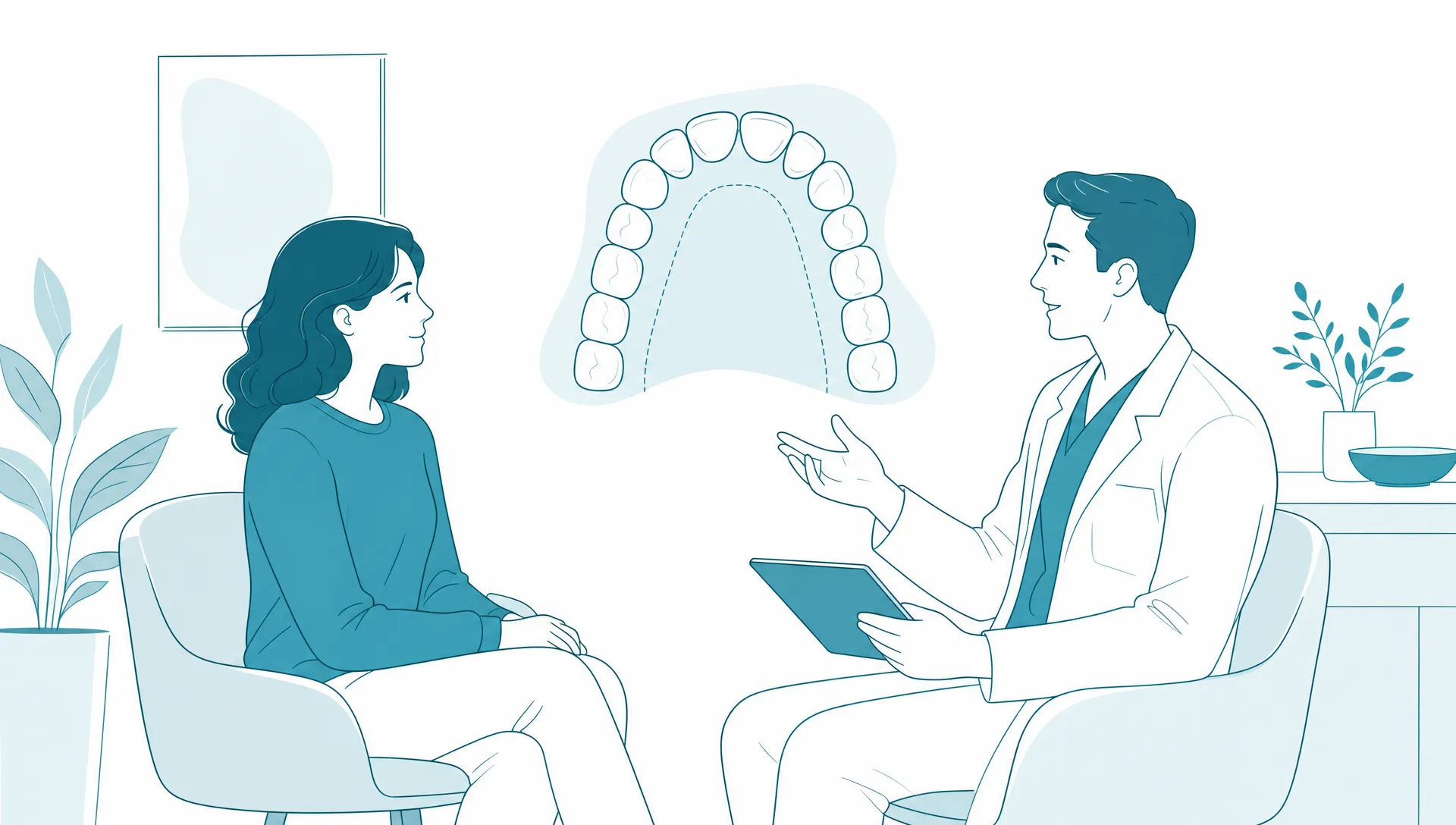
A general dental visit usually begins with a conversation. Your dentist may ask about your main concern, dental history, medical conditions, medications, allergies and any previous dental experiences that may affect your care. This matters because oral health and general health can influence each other.
The examination may include checking your teeth, gums, bite, jaw joints, existing restorations and soft tissues such as the tongue, cheeks and lips. Your dentist may also measure gum pockets, which are the small spaces between the teeth and gums. Deeper pockets can sometimes indicate gum inflammation or gum disease, although a dentist needs to assess the full picture before making any diagnosis.
If X-rays are recommended, your dentist should explain why they may be useful. Dental X-rays can help assess areas that are difficult to see directly, such as between teeth, under old fillings or around tooth roots. They are not required at every appointment for every person. The decision should be based on clinical need.
After the examination, your dentist may discuss findings and options. This may include monitoring an area, improving home care, placing a filling, arranging gum treatment, reviewing wisdom teeth or considering a more detailed treatment plan.
Preventive care, cleaning and home care advice
Prevention is a major part of general dentistry. A scale and clean can remove hardened plaque, called calculus or tartar, that brushing and flossing cannot remove at home. This may help support gum health and make it easier to keep your teeth clean.
Preventive advice may also cover brushing technique, interdental cleaning, diet, fluoride toothpaste, dry mouth, smoking, alcohol intake, sports mouthguards and tooth wear. The Australian Dental Association’s patient information site, Teeth.org.au, provides useful general information about daily oral care and dental check-ups.
A dentist may suggest fluoride treatment if your risk of decay is higher. Fluoride can help strengthen tooth enamel, but suitability varies. For children and teenagers, fissure sealants may be discussed for certain molars. These are thin protective coatings placed in the grooves of back teeth to reduce the chance of food and plaque trapping in deep fissures.
Preventive dental care is not only for people without symptoms. It can also be helpful for people with a history of fillings, gum problems, dry mouth, orthodontic treatment, diabetes or higher decay risk.
Fillings, repairs and common restorative treatment
A filling may be recommended when tooth decay, a small fracture or wear has damaged part of a tooth. The aim is to remove damaged tooth structure where needed and restore the shape and function of the tooth. Filling materials vary, and your dentist can explain which options may be appropriate for the tooth involved.
A general dentist may also repair chipped teeth, replace old fillings, smooth rough edges or build up worn areas. In some cases, a tooth may need a stronger restoration such as a crown. A crown is a custom-made cover that fits over a prepared tooth. It may be considered when a tooth has lost significant structure, has cracks or has had root canal treatment. Crowns are not suitable or necessary for every damaged tooth, and alternatives should be discussed.
If decay or infection reaches the nerve inside a tooth, root canal treatment or tooth removal may be discussed. Root canal treatment aims to clean and seal the inside of the tooth so it may be retained. Tooth removal may be considered when a tooth cannot reasonably be restored, but this decision should be based on clinical assessment. Gentle Dental Geelong has a separate article explaining when teeth removal may be the best treatment option.
| Area of care | What it may involve | Why it may be discussed |
|---|---|---|
| Dental examination | Checking teeth, gums, bite and soft tissues | To assess oral health and identify concerns |
| Scale and clean | Removing plaque and calculus | To support gum health and daily cleaning |
| X-rays | Images of teeth and surrounding structures | To assess areas not easily seen during an exam |
| Fillings | Repairing decay, chips or minor fractures | To restore tooth shape and function |
| Gum care | Gum measurements, cleaning and home care advice | To manage inflammation or signs of gum disease |
| Treatment planning | Discussion of options, risks and costs | To help you make an informed decision |
Gum health and periodontal care
Gum care is an important part of general dental treatment. Early gum inflammation, known as gingivitis, can cause redness, swelling or bleeding when brushing. More advanced gum disease, called periodontitis, can affect the supporting structures around teeth.
A dentist may assess gum health by looking for bleeding, plaque and calculus, gum recession, tooth mobility and pocket depths. Treatment may include a professional clean, more detailed cleaning below the gumline, oral hygiene advice and ongoing review. In more complex cases, referral to a periodontist, a dentist with specialist training in gum disease, may be considered.
Bleeding gums should not be ignored, but they also should not be a source of embarrassment. Many people experience gum inflammation at some point. A dental assessment can help determine the likely cause and what care may be appropriate.
Children, families and different life stages
General dental care changes throughout life. Children may need support with brushing, diet, eruption of adult teeth, fissure sealants and early orthodontic observations. Teenagers may need advice about sport mouthguards, wisdom teeth development, braces or aligner considerations. Adults may be managing fillings, gum health, tooth wear, cosmetic concerns or missing teeth. Older adults may have additional needs related to dry mouth, medications, dentures, crowns, bridges or implants.
Gentle Dental Geelong offers family dental care, and some eligible children may be able to access dental benefits through Medicare’s Child Dental Benefits Schedule. Eligibility and covered services are determined by Services Australia, so it is worth checking the current information on the Child Dental Benefits Schedule.
For a more age-based overview, you may find Gentle Dental Geelong’s practical guide to family dental care useful.
Dental treatment for toothache or urgent concerns
A general dental appointment may also be needed when something feels wrong. Toothache can have many causes, including decay, cracked teeth, gum infection, food trapping, clenching, sinus-related discomfort or trauma. A dentist needs to assess the tooth and surrounding area before recommending treatment.
You should consider arranging dental advice promptly if you have facial swelling, dental trauma, severe or worsening pain, pus, fever, difficulty swallowing, a knocked-out adult tooth or uncontrolled bleeding. These symptoms may require timely assessment. If you have severe swelling affecting breathing or swallowing, seek urgent medical care.
Emergency dental care may include diagnosis, temporary dressings, fillings, drainage of infection where appropriate, medication advice, root canal assessment or extraction discussions. The exact treatment depends on the cause and your health circumstances.
Cosmetic and advanced options may begin with general dental assessment
People sometimes attend a general dental appointment to ask about cosmetic dentistry, clear aligners, veneers, crowns, bridges, implants or whitening. These options may be suitable for some patients, but they should be discussed in the context of oral health first.
For example, whitening may not be appropriate if untreated decay, gum disease or certain types of restorations are present. Veneers and crowns involve changes to tooth structure and are not simply cosmetic add-ons. Dental implants require assessment of bone, gum health, medical history and bite forces. Invisalign or other clear aligner treatment requires orthodontic assessment and planning.
A general dental examination can help identify whether further assessment is needed before considering these treatments. It also gives you the opportunity to ask about likely maintenance, risks, alternatives and realistic expectations. Treatment outcomes and experiences vary between patients.
What if you feel nervous about dental treatment?
Dental anxiety is common, and it can affect whether someone feels comfortable booking an appointment. General dental treatment should involve clear communication. You can ask your dentist to explain what they are doing, pause during treatment or discuss options for managing discomfort or anxiety.
Some people may be suitable for additional support such as sleep dentistry or sedation, depending on the treatment, medical history and clinical assessment. Sedation is not appropriate for everyone and carries its own risks and requirements, so it should be discussed carefully with a dentist.
If dental fear has made it difficult to attend appointments, Gentle Dental Geelong has written about ways to discuss dental fear with your dentist.
How often should you have general dental treatment?
There is no single visit schedule that suits every patient. Some people are advised to attend every six months, while others may need more frequent review because of gum disease, higher decay risk, dry mouth, many restorations or medical factors. Some lower-risk patients may be suitable for a different interval.
Your dentist can suggest a review schedule after assessing your oral health. The aim is not to have treatment for the sake of it. It is to monitor changes, manage risk and address concerns at a stage where care may be simpler.
Questions to ask before agreeing to treatment
Informed consent is an important part of dental care. Before starting treatment, it is reasonable to ask questions and take time to consider your options.
Useful questions include:
- What is the problem or concern you have found?
- What are my treatment options, including doing nothing for now if appropriate?
- What are the potential benefits and risks?
- How long might the treatment take?
- Will I need follow-up or maintenance?
- What costs should I expect?
- Are there alternatives that may suit my circumstances?
A good treatment plan should be clear enough that you understand why something is being recommended. If you are unsure, ask for clarification before proceeding.
Frequently Asked Questions
Is a check-up the same as general dental treatment? A check-up can be part of general dental treatment, but general care may also include cleaning, fillings, gum treatment, X-rays, preventive advice and treatment planning depending on your needs.
Will I need X-rays at every general dental appointment? Not necessarily. X-rays are usually recommended when they are clinically useful, such as checking between teeth, assessing tooth roots or investigating symptoms. Your dentist should explain the reason before taking them.
Can a general dentist help with bleeding gums? Yes, a general dentist can assess bleeding gums and discuss likely causes. Treatment may include cleaning, gum measurements, home care advice and review. More advanced gum disease may require additional care or referral.
Does general dental treatment include cosmetic dentistry? General dental appointments may include a discussion about cosmetic concerns, but cosmetic treatment requires a separate assessment. Oral health, risks, alternatives and realistic expectations should be considered before proceeding.
When should I book an appointment for toothache? It is sensible to arrange dental advice if toothache persists, worsens or is associated with swelling, fever, trauma, pus or difficulty biting. Severe swelling that affects breathing or swallowing needs urgent medical attention.
Discuss general dental treatment in Geelong
General dental treatment may include a wide range of care, from routine examinations and cleans through to fillings, gum care, toothache assessment and treatment planning. The right approach depends on your individual oral health, medical history and preferences.
If you are in Geelong or nearby areas such as Newtown, Geelong West, East Geelong, Belmont or Highton, a dental examination can help determine what care may be appropriate. To discuss your concerns, you can contact Gentle Dental Geelong to arrange an appointment in Geelong.