
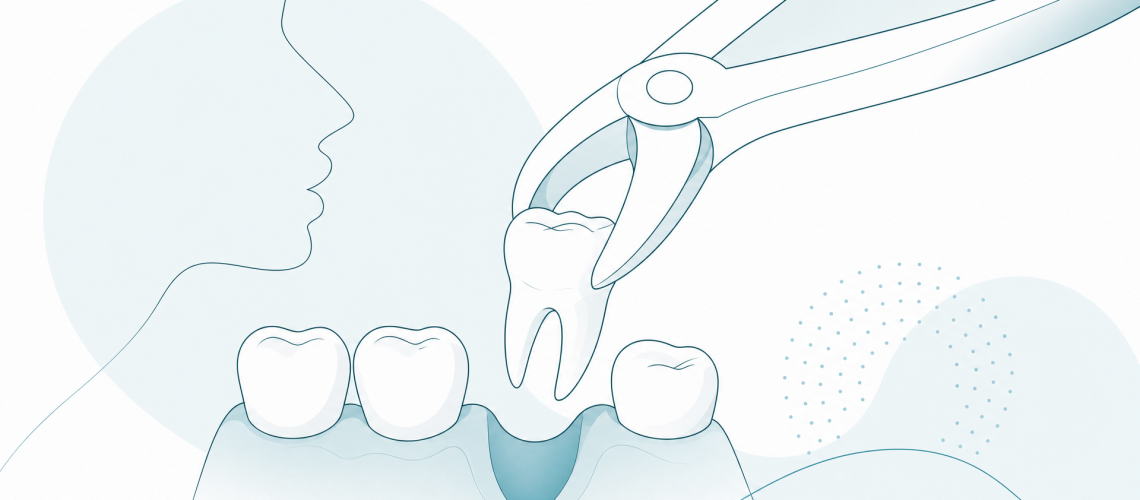
No one wants to be told a tooth needs to come out. For most people, extraction feels like the “last resort” option, and in many cases it is. Modern dentistry is built around preserving natural teeth whenever it is safe, practical, and likely to give a stable result.
There are times, however, when removing a tooth may be the most responsible treatment choice. A badly damaged, infected, loose, or impacted tooth can cause ongoing pain, threaten neighbouring teeth, and make everyday eating or sleeping difficult. In those situations, the best outcome may come from removing the problem tooth and planning the right next step.
If you are searching for a teeth removal dentist because you have pain, swelling, a broken tooth, or wisdom tooth trouble, this guide explains when extraction may be recommended, what alternatives may be considered, and what to expect from a careful dental assessment.
Why dentists try to save teeth first
A natural tooth is more than the white part you see when you smile. It includes roots, nerves, supporting bone, gum tissue, and ligaments that help you bite, chew, speak, and maintain jawbone stimulation. Because of that, a dentist will usually explore tooth-saving options before recommending removal.
Depending on the condition of the tooth, those options might include a filling, crown, root canal treatment, gum treatment, or repair of a fracture. For example, an infected tooth may sometimes be saved if the root structure is strong enough and the surrounding bone is healthy enough. If you are worried about that option, Gentle Dental Geelong has a helpful explanation of why root canal treatment may not be as bad as people expect.
The key point is that “can this tooth be saved?” is only one part of the decision. A dentist also needs to consider whether saving it is likely to be predictable, comfortable, and worthwhile in the long term.
When teeth removal may be the best option
Tooth extraction may be recommended when keeping the tooth creates more risk than benefit. This does not mean removal is suggested lightly. It means the tooth’s condition, position, or effect on your oral health makes extraction a reasonable option.
Severe decay that has weakened the tooth
Decay can often be treated with a filling or crown when enough healthy tooth structure remains. But if decay has destroyed too much of the tooth, there may not be enough strength left to support a restoration.
A tooth may also break down below the gumline, making it difficult or impossible to seal properly. If a restoration cannot reliably protect the tooth from further bacteria and fracture, removal may be the safer choice.
Infection that cannot be predictably treated
Dental infections can become painful and serious. A tooth abscess may cause throbbing pain, swelling, a bad taste, fever, or tenderness when biting. The Victorian Government’s Better Health Channel notes that a dental abscess is a pocket of pus caused by bacterial infection and needs dental care.
Root canal treatment can sometimes remove infection while keeping the tooth. But extraction may be recommended if the tooth is too damaged, the root is fractured, the infection keeps returning, or the surrounding support has been compromised.
Antibiotics may be used in some situations, but they do not repair the tooth or remove the underlying source of infection. The source still needs to be treated.
Advanced gum disease and loose teeth
Gum disease can damage the bone and ligaments that hold teeth in place. In advanced cases, a tooth may become mobile, painful to chew on, or difficult to clean properly.
If the supporting bone has been significantly lost, the tooth may not be stable enough to save. In that case, removing the tooth can reduce discomfort, make cleaning easier, and help protect the surrounding mouth from ongoing inflammation.
Broken or cracked teeth that cannot be restored
Some cracks are treatable, especially if they are limited to the crown of the tooth. Others extend deep into the root or split the tooth in a way that cannot be repaired.
A crack below the gumline can allow bacteria to enter and cause repeated infection. Even if pain comes and goes, the tooth may continue to deteriorate. Extraction may be the most predictable way to stop recurring symptoms.
Impacted or problematic wisdom teeth
Wisdom teeth can become trapped under the gum, grow at an angle, or press against the tooth in front. Some wisdom teeth are easy to monitor, while others repeatedly cause pain, swelling, food trapping, decay, or gum infections.
Removal may be recommended if a wisdom tooth is damaging nearby teeth, difficult to clean, or likely to keep causing problems. The timing depends on the tooth’s position, symptoms, X-ray findings, and your overall health.
Crowding or orthodontic treatment needs
In some orthodontic cases, removing teeth may help create space for alignment. This is not suitable for everyone, and the decision is usually made as part of a broader orthodontic plan.
The goal is not simply to remove teeth, but to create a healthier bite and more stable tooth positions when space is limited.
Common reasons for extraction at a glance
| Situation | Why removal may be recommended | What may be considered first |
|---|---|---|
| Severe decay | Not enough tooth remains to support a filling or crown | Filling, crown, root canal assessment |
| Dental infection | Infection cannot be predictably resolved by saving the tooth | Root canal treatment, drainage, medication if appropriate |
| Advanced gum disease | Tooth has lost too much bone support | Deep cleaning, gum therapy, maintenance care |
| Deep fracture | Crack extends below the gumline or into the root | Crown, bonding, root canal assessment |
| Problem wisdom tooth | Tooth is impacted, infected, decayed, or affecting neighbouring teeth | Monitoring, cleaning advice, imaging review |
| Orthodontic crowding | Space is needed for planned tooth movement | Orthodontic assessment and treatment planning |
How a dentist decides whether removal is the right choice
A good extraction decision starts with diagnosis. Your dentist will usually ask about your symptoms, medical history, medications, dental history, and any past issues with anaesthetic, bleeding, or healing.
They may examine the tooth, gums, bite, and surrounding area. Dental X-rays are often needed to see the roots, bone, infection, wisdom tooth position, or hidden decay. In more complex cases, additional imaging may be discussed.
The decision should also take your preferences into account. Some patients want to do everything possible to save a tooth. Others prefer a solution that reduces repeated appointments or ongoing uncertainty. Both perspectives matter, as long as the risks and benefits are clearly explained.
If toothache is what prompted you to book, it may also help to read this practical advice on preventing and relieving toothache, especially if symptoms have been coming and going.
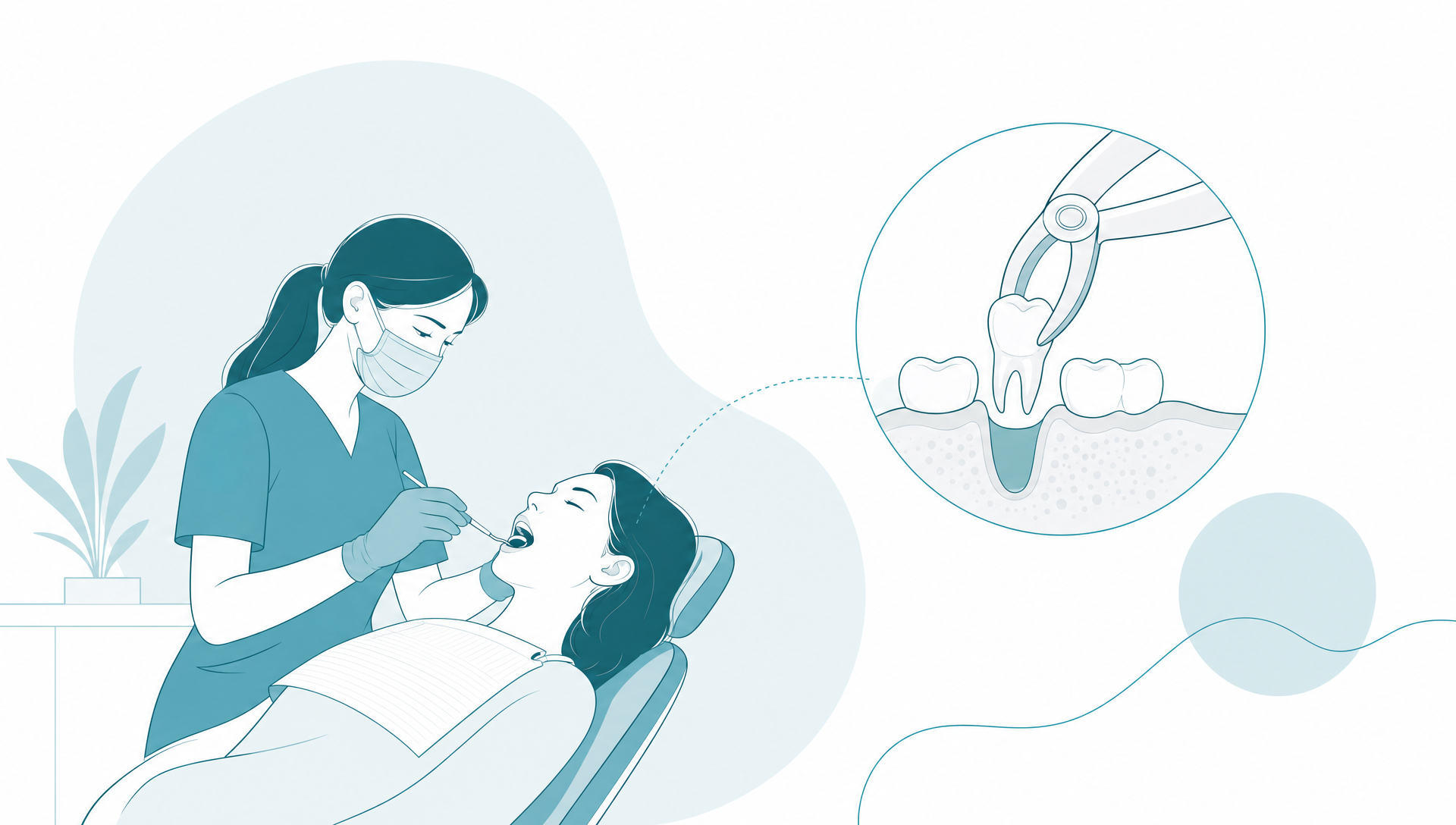
What happens during tooth removal?
Tooth removal can vary from a simple extraction to a more complex surgical procedure. The approach depends on the tooth’s position, root shape, bone support, and whether it is fully erupted or impacted.
In a straightforward extraction, the area is numbed with local anaesthetic so the tooth and surrounding tissues are comfortable during treatment. You may feel pressure or movement, but sharp pain should not be expected. If a tooth is impacted, broken down, or difficult to access, the dentist may need to make a small opening in the gum or section the tooth for safer removal.
For nervous patients, discussing anxiety early can make a significant difference. Some patients benefit from clear explanations, agreed hand signals, breaks during treatment, or sedation options where suitable. If fear has been stopping you from getting care, this article on how to feel less afraid of the dentist offers useful communication tips.
What to expect after an extraction
Your dentist will give you instructions tailored to your procedure. In general, healing begins with a blood clot forming in the socket. Protecting that clot is important, especially during the first day.
Common aftercare advice may include:
- Bite gently on gauze as directed to help control bleeding.
- Avoid smoking, vaping, and vigorous rinsing during early healing.
- Eat soft foods until chewing feels comfortable.
- Take pain relief as advised by your dentist or doctor.
- Keep the area clean, but be gentle around the socket.
- Contact the dental practice if pain worsens, swelling increases, or bleeding does not settle.
Some tenderness, swelling, or jaw stiffness can be normal after extraction, particularly with wisdom teeth or surgical removal. Severe pain that develops a few days later, a bad taste, or exposed bone may indicate a dry socket or another healing issue, so it should be checked promptly.
Should a removed tooth be replaced?
Not every extracted tooth needs replacement. Wisdom teeth, for example, are often removed without replacement because they are not needed for normal chewing.
For other teeth, especially visible front teeth or back teeth used for chewing, replacement is usually worth discussing. Leaving a gap can sometimes allow neighbouring teeth to tilt, opposing teeth to over-erupt, or biting forces to shift. It may also affect chewing comfort or confidence when smiling.
Replacement options can include dental implants, bridges, or dentures. The right option depends on your oral health, bone levels, budget, treatment goals, and medical history. In some cases, a dentist may recommend allowing the area to heal before finalising a replacement plan.
When you should not wait
Dental pain can be unpredictable. A tooth that hurts one week and settles the next may still have an underlying problem. Delaying care can sometimes make treatment more complex, especially if decay, infection, or gum disease is progressing.
You should seek prompt dental advice if you notice facial swelling, pus, fever, severe toothache, pain when biting, a broken tooth with sharp edges, or swelling around a wisdom tooth. If swelling affects your breathing, swallowing, eye area, or general wellbeing, seek urgent medical care.
The earlier a dentist assesses the problem, the more choices you are likely to have. Sometimes that means saving the tooth. Sometimes it means removing it before it causes greater harm.
Frequently asked questions
Is tooth removal painful? The area is numbed before an extraction, so you should not feel sharp pain during the procedure. Pressure and movement are normal. If you feel discomfort, tell your dentist so they can adjust your care.
Can an infected tooth always be saved with a root canal? Not always. Root canal treatment can be very effective when the tooth is restorable and the root structure is sound. If the tooth is severely cracked, badly decayed, or has poor support, extraction may be more predictable.
How do I know if my wisdom teeth need removal? Symptoms such as recurring pain, swelling, food trapping, decay, or pressure on neighbouring teeth may indicate a problem. X-rays help show whether wisdom teeth are impacted or likely to cause further issues.
What are my options after a tooth is removed? Depending on the tooth and your needs, options may include leaving the space, a dental implant, a bridge, or a denture. Your dentist can explain what is suitable after assessing your mouth.
When should I see a dentist about a broken or painful tooth? As soon as practical. Early assessment may give you more treatment options and reduce the risk of infection, worsening pain, or damage to nearby teeth.
Need advice about tooth removal in Geelong?
If you have a painful, broken, infected, or troublesome tooth, the first step is a proper assessment. At Gentle Dental Geelong, your dentist can examine the tooth, explain whether it can be saved, and discuss removal only when it is a suitable treatment option.
Book an appointment to understand your choices and plan care that prioritises comfort, clarity, and long-term oral health.