
Which General Dental Services May Be Useful at Different Ages?
The general dental services that may be useful at different ages depend on what is happening in your mouth, not simply your birthday. Children may need support as teeth develop, teenagers may need assessment of newly arriving adult teeth and older adults may need help managing dry mouth or maintaining dental work. At every age, an examination helps establish whether prevention, treatment or monitoring is appropriate.
For patients and families in Geelong, this means there is no single treatment schedule that suits everyone. A healthy teenager may need less intervention than a younger child with tooth decay. An older person with stable oral health may not need restorative treatment at all. The useful question is what has changed, how it affects your oral health and whether a particular service addresses that concern.
How general dental services are matched to your needs
A dental examination usually brings together your symptoms, medical history, home care and the condition of your teeth, gums and mouth. Your dentist may recommend cleaning, preventive care or treatment based on those findings. Dental X-rays can provide additional information when clinically indicated, but they are not automatically needed at every appointment.
Age provides context, particularly during childhood development. It does not establish a diagnosis or make treatment necessary on its own.
| Change or finding | Service that may be considered | What guides the decision |
|---|---|---|
| New adult molars | Fissure sealants | Tooth shape and risk of decay |
| Pain or ongoing sensitivity | Examination and relevant tests | The cause and severity of symptoms |
| Bleeding gums | Gum assessment and cleaning or gum treatment | Inflammation and whether supporting tissues are affected |
| A damaged tooth | A filling, crown or another option | Remaining tooth structure and the extent of damage |
| Persistent dry mouth | Preventive care and review of contributing factors | Medicines, health conditions and effects on the mouth |
Understanding what general dental treatment may include can make recommendations easier to follow. When discussing general dental services, ask which finding each recommendation addresses and whether there is a reasonable alternative.
Babies and preschool children: development and early prevention
The Australian Dental Association’s patient guidance recommends a first dental visit when a baby’s first tooth appears or by their first birthday, whichever comes first. This appointment can focus on development, feeding habits and practical advice for parents rather than treatment.
Baby teeth matter for eating, speech development and maintaining space for adult teeth. They can develop decay, so a dentist may check for early changes and discuss brushing, age-appropriate fluoride toothpaste and how often teeth are exposed to sugary foods or drinks.
For children with a higher risk of decay, professionally applied fluoride may be considered. It helps strengthen tooth enamel, the hard outer surface of a tooth. Your dentist should explain whether it is appropriate rather than treating it as an automatic addition.
At this age, general dental services may also include assessing a tooth injury or treating decay when needed. Small changes may sometimes be managed with preventive care and monitoring, while more established damage may require treatment.
Gentle Dental Geelong bulk bills covered children’s care through the Child Dental Benefits Schedule for eligible children. Eligibility, remaining benefits and whether a proposed service is covered should be confirmed before treatment.
School-age children: protecting newly arriving adult teeth
During primary school, children commonly have a mixture of baby and adult teeth. Newly erupted adult molars can be difficult to clean, particularly when their chewing surfaces have deep grooves.
A fissure sealant is a thin protective coating placed over these grooves to help reduce the risk of decay. It may be useful for selected teeth, but not every child or molar needs one. Sealants also need checking because they can wear or become damaged.
For school-age children, general dental services can help distinguish between a developmental change that needs observation and a problem that needs treatment. An assessment may consider tooth eruption, bite development, decay and whether a baby tooth is interfering with an adult tooth coming through.
Children playing contact or collision sports may benefit from a properly fitted mouthguard. Mouthguards can reduce the risk of dental injury, although they cannot prevent every injury.
If a child has decay, ask about its extent and the available options. A filling may be appropriate, but the decision also depends on symptoms, the tooth’s condition and how long it is expected to remain in the mouth. Adult teeth need particular care because they are intended to function throughout adulthood.
Teenagers and young adults: individual assessment, not automatic treatment
As more adult teeth arrive, dental care may focus on cleaning access, gum health, sports injuries and tooth positioning. Braces or clear aligners can make cleaning more demanding, so preventive advice should reflect the person’s actual routine.
An assessment of crowding or bite concerns does not necessarily mean orthodontic treatment is required. If treatment is being considered, the dentist can discuss its purpose, suitability, alternatives and ongoing commitments. Orthodontics involves moving teeth and carries potential risks, including decay and gum problems if cleaning is inadequate.
General dental services may also include assessing wisdom teeth as they develop. Some wisdom teeth can remain without causing problems. Others may be associated with recurring inflammation, decay or damage to nearby teeth.
Removal should be based on an individual assessment, not age alone. If recommended, the discussion should cover alternatives and relevant risks, such as infection, dry socket and nerve injury, depending on the tooth’s position.
Teeth grinding, jaw discomfort or worn teeth also warrant assessment. These symptoms do not automatically mean a person needs a night splint; the cause and management options need to be considered first.
Adults: maintaining teeth and addressing specific problems
Adult dental care often centres on keeping existing teeth and restorations functioning, identifying gum disease and investigating changes such as sensitivity or discomfort when biting. A check-up can also identify problems that are not yet causing noticeable symptoms.
For adults, general dental services may range from preventive advice and cleaning to repairing a tooth with a filling. A crown, which covers much of the visible tooth, may be considered when a tooth has substantial damage or needs additional structural support. It is not required merely because a filling is old or large.
Fillings and crowns can cause temporary sensitivity and may need repair or replacement over time. Crowns also involve removing tooth structure. Your dentist should explain why a particular approach is being proposed and what could happen with monitoring or a less extensive option.
If disease or damage goes beyond a straightforward repair, it can be useful to understand when more involved dental treatment may be considered. The aim is to match the treatment to the problem rather than escalate care unnecessarily.
Pregnancy, diabetes and changes in medicines can affect dental planning. Tell your dentist about relevant health changes and medicines. Pregnancy does not mean necessary dental care should automatically be postponed; care can be planned around your circumstances.
Older adults: comfort, function and manageable care
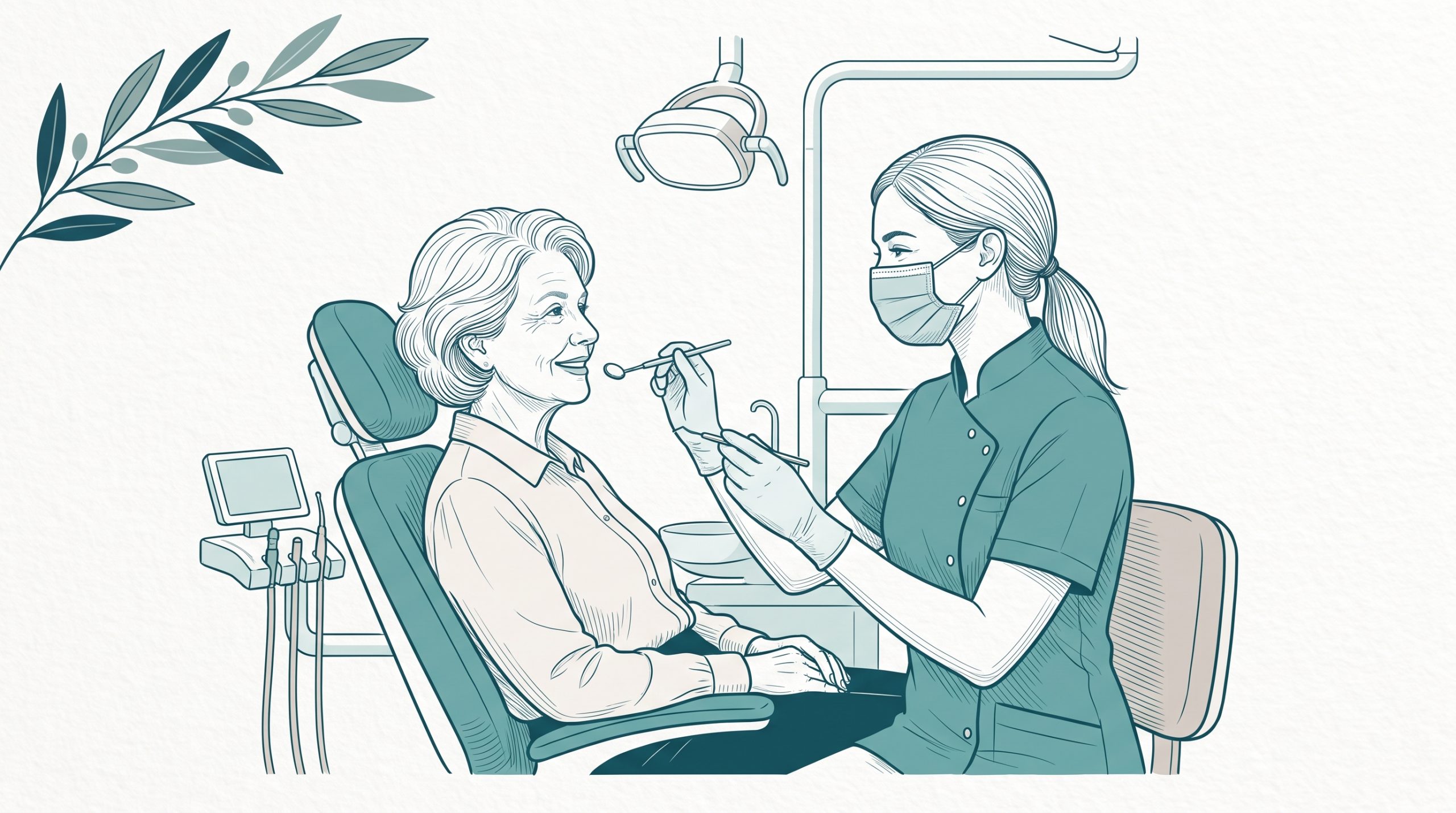
Older age does not automatically mean tooth loss, dentures or extensive treatment. Dental priorities depend on the teeth present, existing dental work, gum health and the person’s ability to manage daily care.
One useful area to assess is dry mouth. Saliva helps protect teeth and supports comfortable eating and speaking. Some medicines and health conditions can reduce saliva, increasing the risk of decay and oral discomfort. Healthdirect’s dry mouth guidance explains common causes and why persistent symptoms deserve assessment.
For older adults, general dental services may include a tailored prevention plan, checking exposed tooth roots for decay and reviewing whether restorations or dentures remain comfortable and functional. Do not stop a prescribed medicine because it appears to cause dry mouth; discuss it with the prescribing clinician and your dentist.
A denture that rubs, moves excessively or makes eating difficult may need assessment. Persistent soreness should not simply be accepted as part of wearing dentures.
Where teeth are missing, options may include a denture, bridge or implant, depending on oral health, medical history, anatomy and preferences. Each has maintenance requirements and potential complications. Age alone does not decide suitability, and replacement is not automatically necessary for every gap.
Reduced hand movement, memory difficulties or reliance on a carer may also change what home care is practical. Advice should work with those circumstances.
What to discuss before agreeing to treatment
A useful appointment should leave you understanding what was found and why a service may be appropriate. You can ask for an explanation in everyday language or request a written treatment plan when several options are being considered.
Before choosing between general dental services, consider these questions:
- What problem does this address? Ask the dentist to explain the finding and how it relates to your symptoms or future oral health.
- Is monitoring an option? Ask what would be checked, when it should be reviewed and which changes would require an earlier visit.
- What are the benefits, risks and alternatives? Include the likely maintenance needs and the consequences of delaying or declining treatment.
- What will it cost? Confirm the proposed fees, stages of care and any applicable benefits before proceeding.
You can use these questions to ask at a general dentist appointment to prepare for the discussion.
If dental visits make you anxious, mention this when arranging an appointment. Discussing your concerns, previous experiences and communication preferences allows the team to consider an appropriate approach. Any additional anxiety-management treatment needs its own assessment and explanation of risks.
Symptoms that should not wait for a routine visit
Age-based guidance is less useful when there is a new problem. Toothache, swelling, a broken tooth or an injury should prompt contact with a dentist for advice about how soon you need assessment.
An adult tooth knocked out in an accident requires urgent dental advice. A mouth ulcer, lump or other unexplained change that persists for more than two weeks should also be assessed.
Seek emergency medical care if swelling affects breathing or swallowing, or is spreading rapidly into the neck. Call 000 if breathing is difficult. These symptoms require a different response from arranging a routine check-up.
Frequently asked questions
Does everyone need a dental check-up every six months? No single interval suits everyone. Your dentist can recommend a review schedule based on your risk of decay, gum health, medical history and previous findings. Ask why the suggested interval is appropriate for you.
Are the same general dental services useful for every member of a family? Some services, such as examinations and preventive advice, are relevant across age groups. Specific treatments depend on individual findings. Family members of similar ages may still have very different needs.
Does a dental examination mean I will need X-rays or a filling? No. X-rays are considered when they are likely to provide useful information for diagnosis or planning. A filling is recommended only when the clinical findings support it; some early changes may be managed with prevention and monitoring.
Can older adults keep their natural teeth? Many do. Ongoing care should focus on the person’s gum health, decay risk, existing dental work and practical support needs rather than assuming tooth loss is inevitable.
Can cosmetic concerns be discussed at a general appointment? Yes. You can raise concerns about tooth appearance without committing to treatment. Your dentist can assess oral health, explain suitable options and discuss limitations. Cosmetic treatment is optional, not a requirement for a healthy mouth.
Discuss your current dental needs in Geelong
If you are unsure which care may be useful for you or your child, you can arrange an appointment with Gentle Dental Geelong. An examination can help clarify your current needs and whether prevention, monitoring or treatment is appropriate. Recommendations should reflect your oral health, medical history, preferences and circumstances rather than age alone.