

When you book a general dentist appointment, it can be hard to know which questions are worth asking once you are in the chair. A good appointment is not only about having your teeth checked. It is also a chance to understand your oral health, discuss any concerns, ask about prevention and make informed decisions if treatment is suggested.
You do not need dental knowledge to ask useful questions. Bring up anything that feels relevant, including symptoms, past dental experiences, medical conditions, medications, cost concerns or anxiety about treatment. Your dentist can then assess your mouth and explain what may be appropriate for your individual situation.
Questions to ask at a general dentist appointment before the examination
Before the examination starts, it is helpful to tell your dentist what prompted the visit. Even if you are attending for a routine check-up, small changes can give your dentist useful context.
You might ask:
| Topic | Questions you can ask |
|---|---|
| Symptoms | “Could this sensitivity, ache or bleeding be related to decay, gum inflammation or something else?” |
| Dental history | “Is anything from my past dental treatment relevant today?” |
| Medical history | “Could my medications, pregnancy, diabetes or other health conditions affect my dental care?” |
| Anxiety or comfort | “What can we discuss before treatment if I feel nervous?” |
| Priorities | “What should we focus on first today?” |
If you are unsure how to organise your thoughts before arriving, this guide on how to prepare for a dentist appointment covers practical information to bring with you.
Questions about symptoms, changes and daily habits
Taking a few notes to a general dentist appointment can help you describe symptoms clearly. Try to mention when the issue started, what triggers it and whether it is getting better, worse or staying the same.
Useful questions include:
- “Why do my gums bleed when I brush or floss?”
- “What might be causing sensitivity to cold, sweet foods or biting?”
- “Could grinding, clenching or my bite be contributing to tooth wear or jaw discomfort?”
- “Are any of my daily habits increasing my risk of decay or gum problems?”
- “Is my brushing and interdental cleaning technique effective for my mouth?”
Bleeding gums, tooth sensitivity and jaw discomfort can have different causes. Your dentist will usually need to examine your teeth, gums, bite and soft tissues before explaining what may be happening. Avoid assuming the cause based on symptoms alone, as several conditions can feel similar.
For general oral health information, the Australian Dental Association’s patient website, teeth.org.au, provides patient resources on brushing, flossing, tooth decay, gum health and common dental concerns.
Questions about the examination and X-rays
During a general dentist appointment, ask your dentist to explain what they are checking as they examine your teeth, gums and mouth. This can make the visit easier to follow and may help you understand why a particular test or image is recommended.
Questions you might ask include:
- “What are you looking for during the oral examination?”
- “Are my gums healthy, or are there signs of inflammation?”
- “Do you check the soft tissues of the mouth as part of the appointment?”
- “Are X-rays needed today, and what information would they provide?”
- “If X-rays are not needed today, when might they be considered in future?”
X-rays are not automatically needed at every visit. They may be recommended when they are likely to help assess areas that cannot be seen directly, such as between teeth, under existing fillings or around tooth roots. If you have concerns about dental X-rays, pregnancy, radiation exposure or previous imaging, tell your dentist before any images are taken.
Questions about cleaning, prevention and home care
Preventive dental care is often a major part of routine appointments. Your dentist or oral health professional may discuss plaque, tartar, gum care, diet, fluoride, brushing technique and cleaning between teeth.
At a general dentist appointment, your dentist may tailor home care advice to your mouth rather than giving generic instructions. This is useful because crowding, dental work, gum recession, orthodontic appliances, implants, bridges or dentures can change how you need to clean.
Consider asking:
- “Are there areas I am missing when I brush?”
- “Should I use floss, interdental brushes or another cleaning aid?”
- “Would a fluoride toothpaste or mouth rinse be suitable for me?”
- “How often should I have a check-up, based on my oral health?”
- “Are there food or drink habits that may be affecting my teeth?”
The answer may differ from one person to another. Someone with a history of gum disease, frequent decay, dry mouth or complex dental work may need different advice from someone with low dental risk and stable oral health.
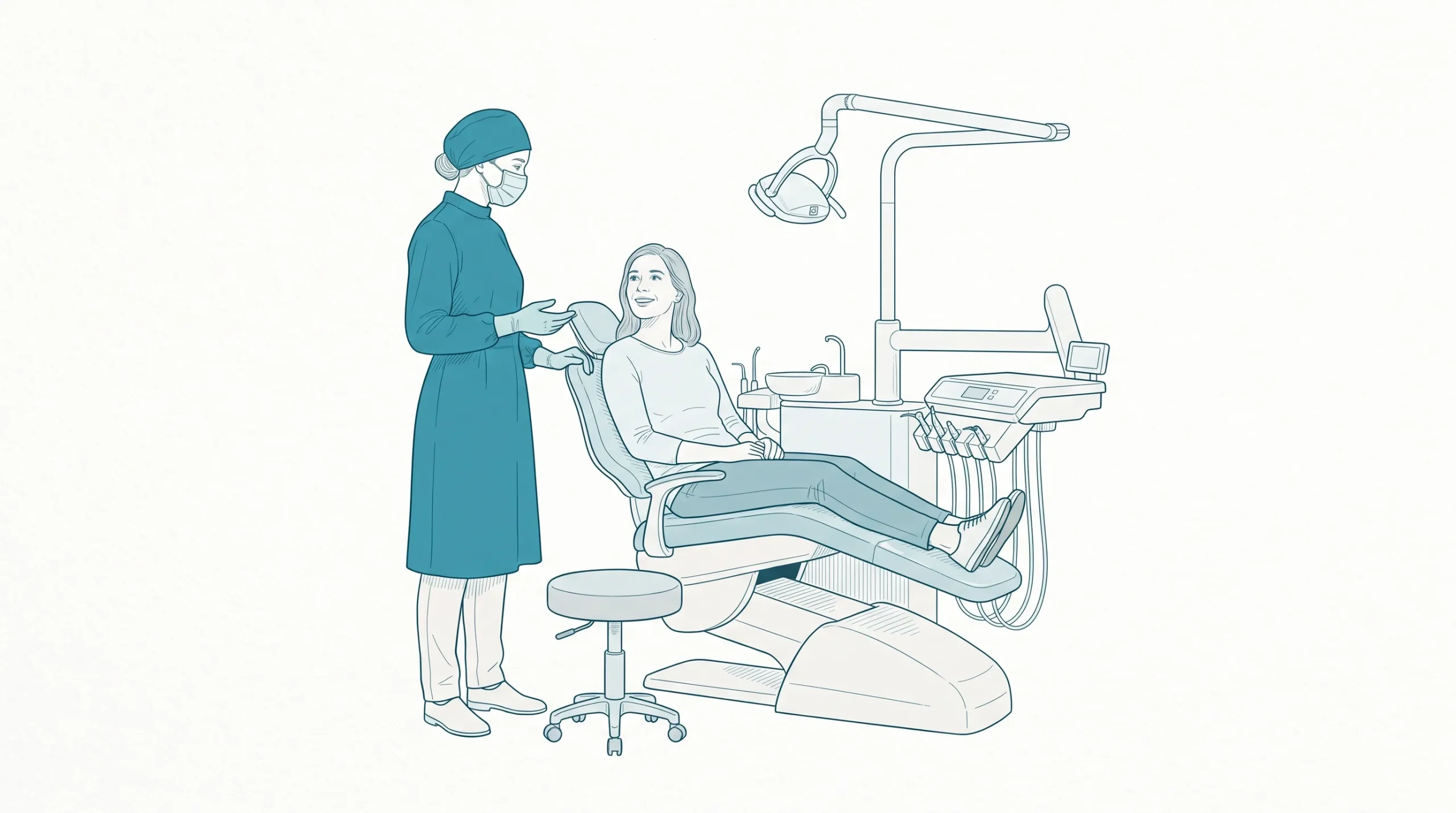
Questions if treatment is recommended
If your dentist identifies a concern, ask for a clear explanation before making a decision. Many dental problems can be managed in more than one way, depending on the diagnosis, severity, symptoms, oral health history and your preferences.
Helpful questions include:
| If treatment is mentioned | Questions to ask |
|---|---|
| Diagnosis | “What is the problem, and how certain are we about the cause?” |
| Options | “What options may be suitable, including monitoring if appropriate?” |
| Benefits | “What could this treatment help with?” |
| Risks | “What are the possible risks, limitations or complications?” |
| Timing | “Does this need attention soon, or can it be reviewed?” |
| Longevity | “How long might this type of treatment last, and what affects that?” |
| Alternatives | “What are the alternatives, and what might happen if I delay?” |
All dental procedures carry potential benefits and risks. For example, a filling, crown, extraction, whitening treatment, implant, veneer or orthodontic option may have different considerations. Your dentist can explain what applies to your mouth after an examination.
If you want a broader overview of routine care, Gentle Dental Geelong has a separate article on what general dental treatment may include.
Questions about costs, payment and written treatment plans
A general dentist appointment is also a good time to ask about fees, especially if treatment may be needed after the examination. It is reasonable to ask what is included in the appointment fee, what may cost extra and whether a written treatment estimate can be provided.
You may wish to ask:
- “What is included in today’s appointment fee?”
- “Will I receive a written estimate before treatment?”
- “Are there different treatment options with different costs?”
- “Does my health fund provide an item number estimate for this treatment?”
- “Are payment plan options available, and what are the terms?”
Dental fees can vary because treatment needs vary. A quote for future treatment is not the same as the fee for the initial appointment. If cost is a major concern, say so early. Your dentist may be able to explain staging options, priorities or alternatives, depending on what is clinically suitable.
For more detail, you can read Gentle Dental Geelong’s guide to questions to ask about dental appointment prices.
Questions for children, teenagers and family appointments
If you are booking for a child or teenager, the questions may be slightly different. A dental visit can cover tooth development, brushing habits, diet, mouthguards, orthodontic concerns, fissure sealants and any dental anxiety.
You might ask:
- “Are my child’s teeth and jaws developing as expected for their age?”
- “Do any baby teeth or adult teeth need monitoring?”
- “Could fissure sealants be considered for back teeth?”
- “Is my child eligible for support through Medicare’s Child Dental Benefits Schedule?”
- “How can we make home brushing easier?”
Eligibility for the Child Dental Benefits Schedule depends on Medicare rules and family circumstances. Services Australia explains who may be eligible and what is covered. If you are booking with Gentle Dental Geelong, you can ask the team what information they need to check whether this may apply.
Questions if you feel nervous about dental care
Many people feel uneasy about dental appointments, especially if they have had a difficult experience in the past or are worried about discomfort, needles, sounds or loss of control. You can tell your dentist this without needing to justify it.
Questions that may help include:
- “Can you explain what you are doing before you do it?”
- “Can we agree on a signal if I need a pause?”
- “What options may be available if I find treatment difficult?”
- “Is sleep dentistry or another support option appropriate for my circumstances?”
- “What are the risks, benefits and limitations of those options?”
Sedation and sleep dentistry are not suitable for everyone. Your dentist would need to consider your medical history, medications, the procedure involved and other safety factors before discussing whether any option may be appropriate.
Questions to ask before you leave
Before you leave a general dentist appointment, make sure you understand the next steps. This is especially important if your dentist has recommended monitoring, a hygiene appointment, further tests or treatment.
You can ask:
- “What should I do at home before my next visit?”
- “Which symptoms should prompt me to contact the clinic?”
- “When should I return for review?”
- “Can I have a written summary or treatment plan?”
- “If I have questions later, what is the best way to clarify them?”
If you have swelling, facial trauma, uncontrolled bleeding, fever with dental pain or difficulty swallowing or breathing, seek prompt professional advice. Difficulty breathing or swallowing should be treated as a medical emergency.
When to book a check-up in Geelong
If you are booking a general dentist appointment in Geelong, Newtown, Geelong West, East Geelong, Belmont, Highton or nearby areas, the right timing depends on your oral health, symptoms and history. Some people need routine reviews at regular intervals, while others may need appointments sooner because of symptoms or higher dental risk.
A dental examination can help determine the cause of symptoms and whether any treatment, preventive care or monitoring may be appropriate. It can also give you a chance to ask questions in person, rather than relying on general online information that may not match your mouth.
Frequently Asked Questions
What should I bring to a general dentist appointment? Bring your Medicare card if relevant, health fund details, a list of medications, information about medical conditions, previous dental X-rays if available and notes about symptoms or questions. If you are booking for a child, ask whether Child Dental Benefits Schedule information is needed.
Is it okay to ask about costs before treatment starts? Yes. It is reasonable to ask about appointment fees, item numbers, written estimates, payment options and whether there are different clinically suitable options. Costs should be discussed before non-urgent treatment begins.
Can I ask for a second opinion? Yes. You can ask your dentist to explain the diagnosis, options and timing, and you may seek another opinion if you feel unsure. This can be useful for complex, costly or elective treatment decisions.
Do I need X-rays at every dental visit? Not necessarily. X-rays may be recommended when they are likely to provide useful diagnostic information. Your dentist can explain why they are or are not suggested for your situation.
What if I forget my questions during the appointment? Writing them down beforehand can help. You can also ask for a summary before leaving or contact the clinic afterwards if you need clarification.
Discuss your dental questions with Gentle Dental Geelong
If you have symptoms, are due for a check-up or simply want clearer information about your oral health, an examination can help your dentist assess what is happening and explain suitable options.
To discuss your concerns, you can book an appointment with Gentle Dental Geelong. Your dentist can assess your oral health and explain the potential benefits, risks and alternatives of any treatment that may be recommended.