

If you are wondering what dental treatment services are available, the short answer is that modern dental care covers prevention, diagnosis, repairs, cosmetic concerns, tooth replacement, emergency care and support for anxious patients. The right service depends on what is happening in your mouth, your general health, your goals, your budget and what your dentist finds during an examination.
For patients in Geelong, it can be helpful to understand the main categories before booking. This guide explains common dental services in everyday language, including what they may involve and when a dentist may recommend them.
Dental treatment services commonly available at a family dental clinic
Dental treatment is not one single type of appointment. A general family dental practice may provide routine care, manage tooth or gum problems, replace missing teeth, support children’s oral health and discuss appearance-related concerns.
Gentle Dental Geelong provides general family dentistry and a range of advanced services, including wisdom teeth removal, sleep dentistry, dental implants, Invisalign, crowns and bridges, porcelain veneers, emergency dental care, payment plans and children’s dental care through Medicare’s Child Dental Benefits Schedule for eligible families.
Here is a simple overview of common service categories.
| Service category | What it may include | Why it may be considered |
|---|---|---|
| Preventive dentistry | Check-ups, cleans, fluoride, oral hygiene advice, X-rays when needed | To monitor oral health and reduce the chance of avoidable problems |
| Restorative dentistry | Fillings, crowns, bridges, root canal treatment, repair of cracked teeth | To restore damaged, decayed or weakened teeth where appropriate |
| Cosmetic dentistry | Veneers, whitening, bonding, aligners and other appearance-focused options | To discuss changes to tooth colour, shape, spacing or alignment |
| Tooth replacement | Dental implants, bridges or dentures | To replace one or more missing teeth where suitable |
| Oral surgery | Tooth removal, wisdom teeth assessment and removal | To manage teeth that cannot predictably be restored or are causing issues |
| Emergency dental care | Toothache, swelling, broken teeth, dental trauma | To assess symptoms that may need prompt attention |
| Children’s dentistry | Examinations, preventive advice, basic care and eligible CDBS services | To support oral health as children grow |
| Sleep dentistry | Sedation or anaesthetic-supported care where suitable | To assist some patients with anxiety, complex care or longer procedures |
General and preventive dental care
General dentistry is usually the starting point for most patients. It focuses on keeping teeth, gums and the surrounding mouth tissues as healthy as possible, while identifying issues early.
A general dental appointment may include a discussion about symptoms, medical history, medications, diet, oral hygiene habits and any previous dental experiences. Your dentist may examine your teeth, gums, bite, jaw and soft tissues. Dental X-rays may be recommended when information is needed that cannot be seen during a visual examination.
Preventive care may include professional cleaning, plaque and tartar removal, fluoride treatment where appropriate, fissure sealants for some children or teenagers, and advice on brushing, flossing, diet and mouthguards. If you would like a broader explanation of routine care, the article on what a general dentist can do for your oral health explains the role of a general dentist in more detail.
Preventive dentistry does not mean problems can never occur. Genetics, medical conditions, medications, saliva flow, past dental work, diet and home care habits can all affect oral health. Regular review simply gives your dentist a chance to monitor changes and explain options before problems become more complex.
Fillings and tooth-coloured repairs
Fillings are commonly used when a tooth has decay, minor fracture or wear that can be repaired without needing a more extensive restoration. The damaged or decayed part of the tooth is removed, and the area is restored with a dental material.
Tooth-coloured materials are often used because they can blend with the surrounding tooth structure, although suitability depends on the size and location of the cavity, bite pressure and remaining tooth strength. A filling may not be the most appropriate option if the tooth is heavily cracked, has lost a large amount of structure or has nerve involvement.
Your dentist can explain the expected lifespan, maintenance needs and possible alternatives. Like any dental procedure, fillings can carry risks such as sensitivity, chipping, wear or the need for future replacement.
Crowns, bridges and larger restorations
A dental crown is a restoration that covers or caps a tooth. It may be considered when a tooth is weakened by large fillings, cracks, heavy wear, root canal treatment or significant loss of structure. The aim is usually to protect and restore function, although appearance can also be considered.
A dental bridge is one option for replacing a missing tooth. It is usually supported by neighbouring teeth or, in some cases, dental implants. Bridges are not suitable for every patient, because the health, strength and position of the supporting teeth matter.
Crowns and bridges involve planning, tooth preparation where needed, impressions or digital scans, and careful fitting. Your dentist should explain material choices, maintenance needs, costs, potential risks and alternatives before treatment proceeds.
Root canal treatment
Root canal treatment may be considered when the soft tissue inside a tooth, called the pulp, becomes inflamed or infected. This can happen because of deep decay, cracks, trauma or repeated dental work.
The procedure generally involves removing infected or inflamed tissue from inside the tooth, cleaning and shaping the canals, and sealing them. A crown may sometimes be recommended after root canal treatment, particularly for back teeth that carry heavier chewing forces.
Root canal treatment aims to help keep a natural tooth when appropriate, but it may not be suitable in all situations. Severe cracks, advanced gum disease, insufficient tooth structure or complex infection can affect the outlook. Your dentist can explain whether root canal treatment, extraction or another option may be more appropriate after assessing the tooth.
Dental implants and tooth replacement options
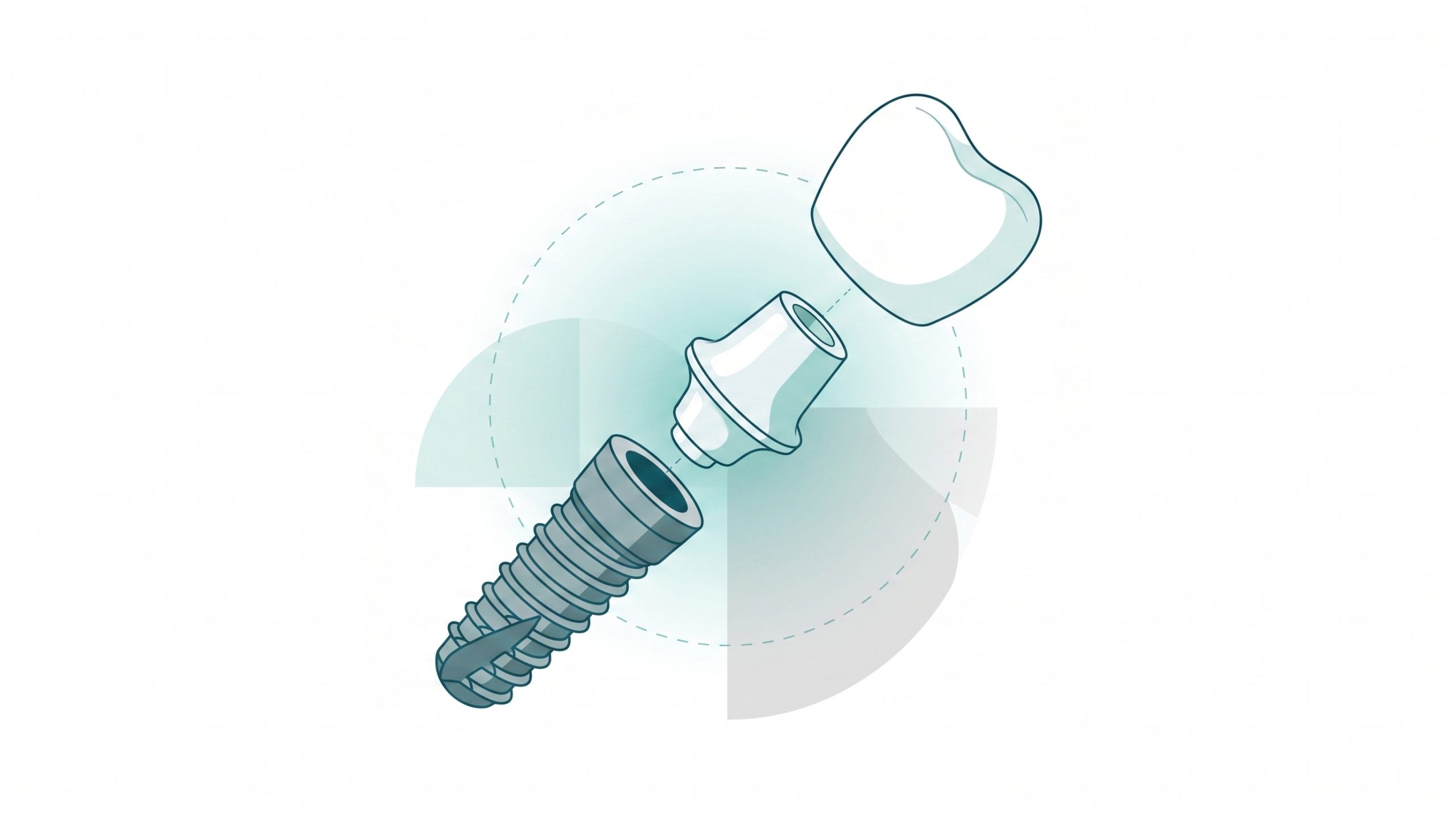
Dental implants are one option for replacing missing teeth. An implant is a small fixture placed into the jawbone, which can support a crown, bridge or denture once healing has occurred. Implants may be considered when a patient has suitable bone, healthy gums and general health factors that support healing.
They are not suitable for everyone. Factors such as smoking, gum disease, uncontrolled diabetes, bone volume, medications, bite forces and oral hygiene habits can influence whether implant treatment may be appropriate. Implant treatment also involves surgical and restorative stages, so planning is important.
Other tooth replacement options may include bridges or dentures. There is no single option that suits every person. A dentist can compare the potential benefits, limitations, risks, maintenance and likely costs based on your individual circumstances.
Cosmetic dental treatment services
Cosmetic dentistry focuses on appearance-related concerns, such as tooth colour, shape, spacing, chips, wear, proportions or visible old restorations. It should still begin with an oral health assessment, because gum disease, decay, tooth grinding or bite problems may need attention before cosmetic treatment is considered.
Common cosmetic options may include whitening, bonding, porcelain veneers, crowns, clear aligners or replacement of older restorations. The right option depends on the condition of your teeth and gums, the type of change you are seeking, and how much tooth structure would need to be altered.
Porcelain veneers, for example, are thin restorations bonded to the front surface of teeth. They may be discussed for concerns such as chips, staining, minor shape concerns or gaps, depending on the case. Veneers are not suitable for every mouth, and they require assessment of enamel, bite, gum health and long-term maintenance. Gentle Dental Geelong has a separate article that explains what veneers are and how they work.
If you are still exploring whether appearance-focused care is appropriate, this article on when cosmetic dental treatment may be considered provides a useful overview of suitability factors and questions to ask before booking.
It is important to have realistic expectations. Cosmetic dental care can sometimes improve the appearance of teeth, but outcomes vary. Your dentist should explain benefits, limitations, maintenance, risks and alternatives before you decide whether to proceed.
Invisalign and clear aligner treatment
Invisalign is a clear aligner system used to move teeth gradually in suitable cases. Aligners are removable, custom-made trays that are worn for prescribed periods. They may be considered for some spacing, crowding or bite concerns.
Clear aligners are not suitable for every orthodontic problem. More complex bite issues, significant jaw discrepancies or certain tooth movements may require other orthodontic approaches. Compliance also matters, because aligners generally need to be worn consistently for treatment to progress as planned.
An assessment may include photographs, scans, X-rays and bite evaluation. Your dentist can explain whether aligners may be suitable, what alternatives exist and what ongoing maintenance may involve after treatment, such as retainers.
Wisdom teeth and tooth removal
Tooth removal may be recommended when a tooth cannot be predictably restored, is causing recurrent infection, has severe decay, is affected by advanced gum disease or is a problematic wisdom tooth. Wisdom teeth may need assessment if they are impacted, difficult to clean, causing pain, associated with swelling or affecting nearby teeth.
Removal is not automatically needed just because wisdom teeth are present. Many people keep wisdom teeth if they are healthy, functional and easy to clean. A dentist will usually consider symptoms, gum health, decay risk, tooth position, X-rays and your overall circumstances.
If removal is being discussed, ask about the reason for the recommendation, the expected recovery, likely costs, anaesthetic options and possible risks. These may include bleeding, swelling, infection, dry socket, temporary jaw stiffness, altered sensation and the possibility of further treatment. For more detail, see this guide to when teeth removal may be the most appropriate treatment option.
Emergency dental care
Dental emergencies can include toothache, swelling, broken teeth, knocked-out teeth, lost fillings, dental trauma, bleeding or pain when biting. Some concerns are uncomfortable but not medically urgent, while others need prompt assessment.
You should seek urgent dental or medical advice if you have facial swelling, fever, difficulty swallowing, difficulty breathing, uncontrolled bleeding, a knocked-out adult tooth or trauma involving the jaw or face. These symptoms may indicate a more serious problem.
For toothache or a broken tooth, a dentist will usually assess the cause before recommending treatment. Options may vary from a filling or temporary repair to root canal treatment, extraction, antibiotics when clinically appropriate, or referral if needed. Antibiotics alone do not usually resolve the source of a dental infection, so professional assessment is important.
Dental care for children and families
Family dental care changes as people move through different life stages. Babies and toddlers need support with early habits. School-aged children may need monitoring for decay risk, eruption patterns and sports mouthguards. Teenagers may need advice around orthodontic concerns, wisdom teeth and diet. Adults may need maintenance, restorative care, gum care and tooth replacement planning.
Gentle Dental Geelong provides general family dentistry and bulk billed children’s dental care for eligible children through Medicare’s Child Dental Benefits Schedule. Eligibility, available services and benefit limits are set by Medicare, so families should confirm their child’s current status before treatment.
For a broader age-based overview, this practical guide to family dental care explains common oral health priorities from childhood through to older adulthood.
Sleep dentistry and care for anxious patients
Some people feel nervous about dental treatment because of previous experiences, fear of discomfort, strong gag reflex, complex treatment needs or general anxiety. Dental anxiety is common, and it is reasonable to discuss it before treatment.
Sleep dentistry is a term often used for dental care provided with sedation or anaesthetic support. The exact approach varies, and suitability depends on factors such as medical history, medications, the planned procedure, fasting requirements and recovery arrangements.
Sedation and anaesthetic options carry risks and are not suitable for every patient. Your dentist can explain what options may be available, whether additional medical information is needed and what to expect before and after the appointment.
What happens at a dental treatment consultation?
A consultation is where your dentist gathers information before recommending treatment. It is not just a quick look at one tooth, especially if the issue is complex or you are considering cosmetic, implant, orthodontic or surgical care.
A dental consultation may include:
- A discussion about your concerns, goals, symptoms and dental history
- A review of your medical history, medications and allergies
- An examination of teeth, gums, bite, jaw and soft tissues
- X-rays, photographs or digital scans if clinically needed
- An explanation of findings in plain language
- Discussion of treatment options, risks, benefits, limitations and alternatives
- A written estimate or treatment plan when appropriate
You should feel able to ask questions before making a decision. It is reasonable to ask why a treatment is recommended, what may happen if you delay or choose not to proceed, what alternatives exist, and what maintenance will be needed over time.
How to know which dental service you need
You do not need to know the exact treatment before booking. In many cases, the purpose of the appointment is to find out what is causing the concern.
Book a dental examination if you have toothache, bleeding gums, a chipped tooth, a loose filling, sensitivity, bad breath that does not improve, jaw discomfort, a missing tooth, a wisdom tooth concern or an appearance-related issue you would like to discuss.
If you are not in pain but have not had a dental check for some time, a general examination can help establish a baseline. Your dentist can then explain whether preventive care is enough or whether treatment may be worth considering.
Questions to ask before starting dental treatment
Before agreeing to treatment, it can be useful to ask clear questions. This helps you make a decision that fits your oral health, preferences and financial circumstances.
Useful questions include:
- What is the main problem you have identified?
- What treatment options are available, including doing nothing for now?
- What are the possible benefits and risks of each option?
- How many appointments may be involved?
- Will I need X-rays, scans or referral?
- What are the expected costs and payment options?
- How long might the restoration or treatment last, and what maintenance is needed?
- What signs should I watch for after treatment?
All dental procedures carry potential risks and benefits. Treatment outcomes and experiences vary between patients, so a clinical assessment is needed before your dentist can recommend an option.
Frequently Asked Questions
What dental treatment services are available at Gentle Dental Geelong? Gentle Dental Geelong offers general family dentistry and services such as wisdom teeth removal, sleep dentistry, dental implants, Invisalign, crowns and bridges, porcelain veneers, emergency dental care, payment plans and eligible children’s dental care through Medicare’s Child Dental Benefits Schedule.
Do I need to know which treatment I need before booking? No. A dental examination can help determine the cause of your symptoms and which options may be appropriate. Many patients book because they have a concern, not because they already know the treatment required.
Are cosmetic dental services suitable for everyone? Not always. Cosmetic treatment suitability depends on oral health, gum condition, enamel, bite, existing restorations, habits such as grinding, expectations and the type of change being considered. Your dentist can explain whether an option may be suitable for your circumstances.
When should I seek urgent dental care? Seek prompt advice if you have facial swelling, fever, difficulty swallowing, difficulty breathing, uncontrolled bleeding, a knocked-out adult tooth or dental trauma. Toothache, broken teeth and swelling should also be assessed so the cause can be identified.
Are payment plans available for dental treatment? Gentle Dental Geelong lists payment plans as an available option. The details may depend on the treatment and your circumstances, so it is best to discuss costs, timing and payment options during your consultation.
Discuss dental treatment services in Geelong
If you are unsure which dental service you need, a dental examination can help clarify the cause of your concern and outline suitable options. Your dentist can assess your oral health, explain potential benefits and risks, and discuss alternatives before you decide what to do next.
To discuss dental treatment services in Geelong, contact Gentle Dental Geelong to arrange an assessment with the team.