
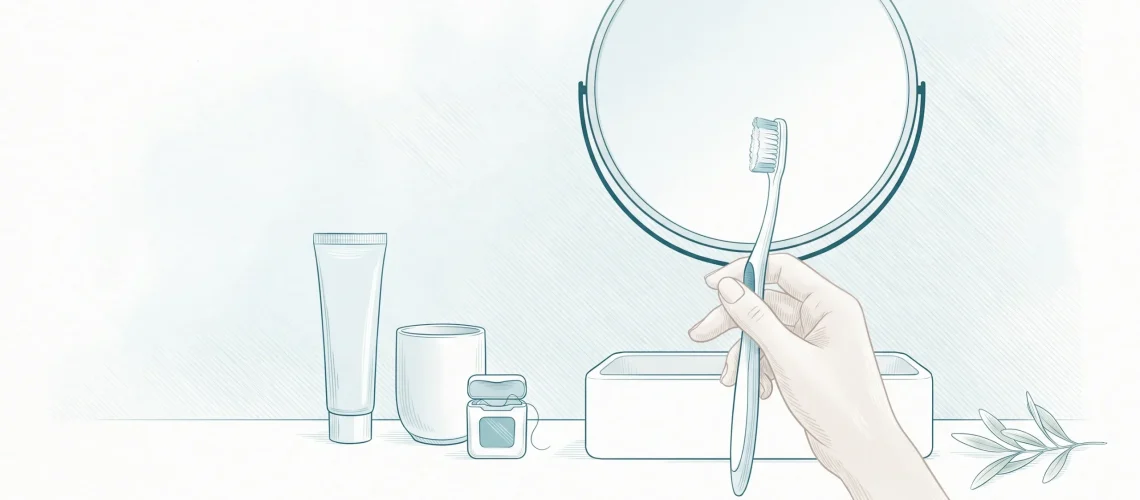
Caring for your teeth between dental visits comes down to a few steady habits: brushing well, cleaning between your teeth, keeping an eye on changes and booking an assessment when something does not feel right. If you have searched for oral dental care near me because you are trying to stay on top of your dental health in Geelong, this guide is a practical place to start.
Home care does not replace professional dental care. It helps reduce plaque build-up, supports gum health and gives your dentist a clearer picture of what has changed since your last appointment. Your ideal routine may vary depending on your teeth, gums, medical history, age and any dental work you already have.
Why between-visit care matters
Most dental problems do not appear suddenly. Tooth decay, gum inflammation and enamel wear often develop gradually. Daily care helps manage the factors that contribute to these problems, especially plaque, which is the soft, sticky film of bacteria that forms on teeth.
If plaque is not removed regularly, it can irritate the gums and may harden into calculus, also called tartar. Calculus cannot be brushed away at home and usually needs professional removal. This is one reason routine dental examinations and cleans are still important, even if your teeth feel fine.
A dental visit may also identify issues that are difficult to see at home, such as early decay between teeth, gum pocketing, cracked fillings or signs of tooth wear. If you are unsure what usually happens at an appointment, Gentle Dental Geelong has a patient-friendly guide to what happens during a dental visit.
Brush twice a day with the right technique
The Australian Dental Association's public oral health information on Teeth.org.au recommends brushing twice a day with fluoride toothpaste. Fluoride helps strengthen tooth enamel and supports protection against decay when used as part of regular oral care.
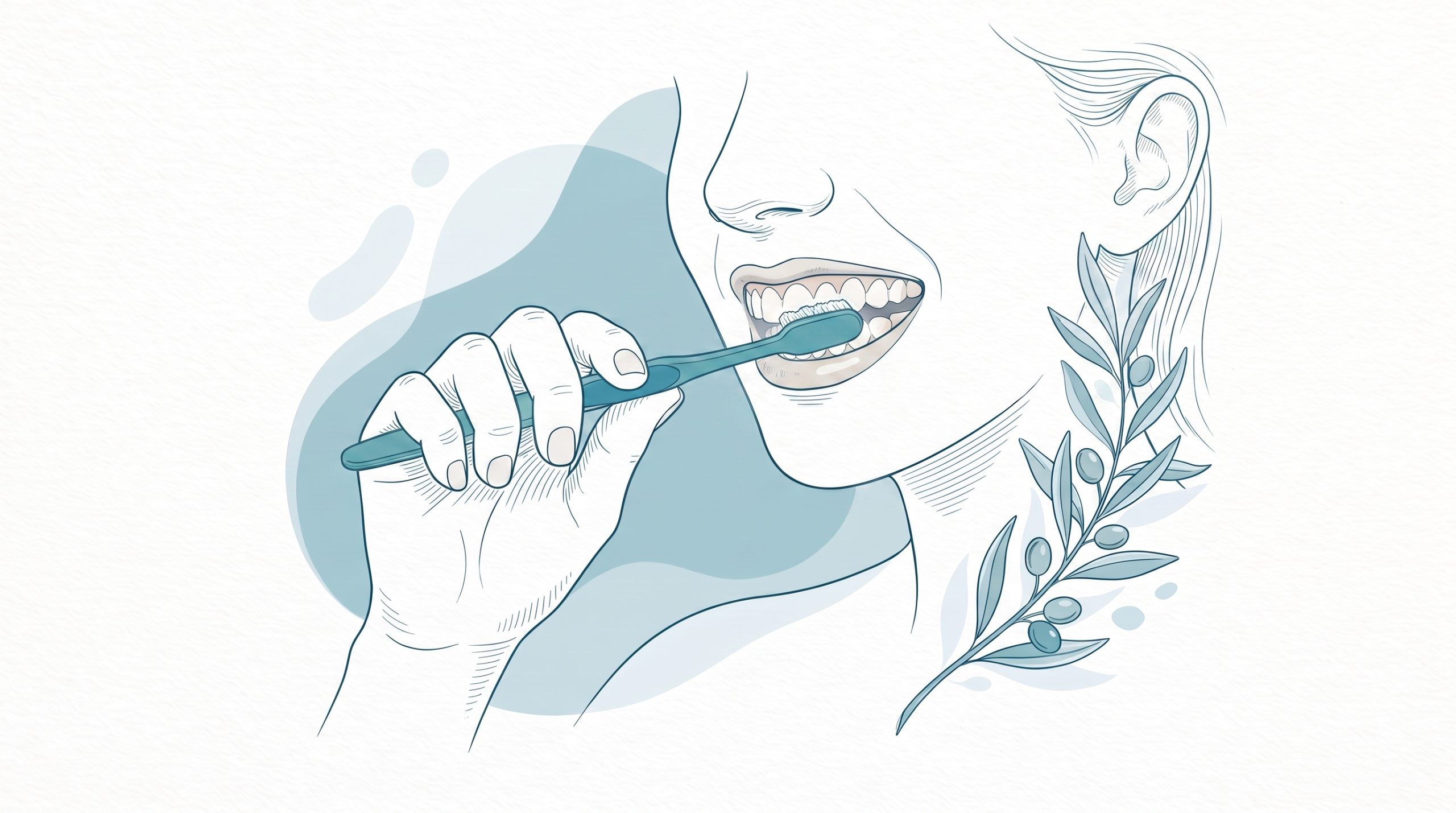
For most adults, a soft-bristled toothbrush is a good choice. Hard brushing can wear the enamel near the gumline and may contribute to gum recession over time. The goal is not to scrub aggressively, but to clean all surfaces carefully.
A simple brushing approach is:
- Brush for about two minutes, morning and night.
- Angle the brush gently towards the gumline.
- Clean the outside, inside and biting surfaces of each tooth.
- Use small, controlled movements rather than hard back-and-forth scrubbing.
- Replace your toothbrush or electric brush head when the bristles look worn.
Electric and manual toothbrushes can both be effective when used properly. If you are unsure which is better for you, ask your dentist or oral health professional to check your brushing technique at your next visit.
Clean between your teeth daily
Toothbrush bristles do not fully clean the tight spaces between teeth. That is where floss, interdental brushes or other between-teeth cleaners may help. The right option depends on the size of the gaps between your teeth, whether you have dental work and how easily you can manage the technique.
Floss may suit tight contacts between teeth. Interdental brushes may suit larger spaces, some bridges, implants or areas affected by gum recession. If a product feels painful, gets stuck or causes repeated bleeding, do not force it. A dentist can check whether the tool and size are appropriate.
Bleeding gums are often a sign of inflammation, but they can also relate to brushing technique, flossing technique, medications or other health factors. If bleeding continues despite gentle daily cleaning, arrange a dental assessment rather than trying to manage it alone.
Use food and drink habits to support your teeth
What you eat and drink between appointments can affect your teeth as much as how you brush. Frequent snacking or sipping on sugary drinks gives bacteria more opportunities to produce acids that can contribute to decay. Acidic drinks, including soft drinks, sports drinks, energy drinks and some fruit juices, can also soften enamel.
You do not need a perfect diet to care for your teeth. The aim is to reduce frequency and make practical choices most of the time.
| Everyday habit | Tooth-friendly approach | Why it may help |
|---|---|---|
| Drinks | Choose water as your usual drink | Reduces exposure to sugar and acid |
| Snacks | Keep sweet snacks occasional rather than constant | Gives saliva time to neutralise acids |
| Acidic drinks | Avoid sipping them slowly over long periods | Limits repeated acid exposure |
| After meals | Rinse with water if brushing is not practical | Helps clear food particles and acids |
| Dry mouth | Speak with your dentist if it is ongoing | Low saliva can increase dental risk |
Saliva plays an important protective role. It helps wash away food particles, neutralise acids and support the natural balance in the mouth. If your mouth often feels dry, mention it at your next dental visit, especially if you take regular medications or have a medical condition.
Protect teeth from avoidable damage
Some dental problems between visits are related to habits or accidents rather than plaque alone. Teeth are strong, but they are not designed to open packaging, crack hard objects or hold pins and tools. These habits can chip teeth, damage fillings or contribute to cracks.
If you play contact sport, a properly fitted mouthguard may be recommended to help reduce the risk of dental injury. If you clench or grind your teeth, you may notice jaw soreness, headaches, worn teeth or sensitive teeth. A dentist can assess the cause and discuss whether an appliance or other management options may be suitable.
Mouthguards, splints and other dental appliances should fit properly. A poorly fitting appliance can be uncomfortable and may not provide the intended protection.
Care for dental work at home
Fillings, crowns, bridges, veneers, implants and aligners all need daily cleaning. Dental treatment may restore or support teeth, but it does not make them immune to plaque, gum problems or wear.
If you have crowns or bridges, take extra care around the edges where the restoration meets the tooth. If you have implants, cleaning around the gumline is especially important because the surrounding tissues still need to stay healthy. If you wear clear aligners, such as Invisalign, follow the instructions provided by your dentist and keep both the aligners and teeth clean.
Avoid using whitening products, strong mouthwashes or abrasive toothpastes without advice if you have sensitivity, restorations or gum concerns. Some products may not be suitable for every patient.
Plan ahead before travel, busy seasons or major life changes
It is easy for dental routines to slip during holidays, shift work, exam periods or family changes. A small dental kit can make it easier to stay consistent. Include a toothbrush, fluoride toothpaste, floss or interdental brushes and any appliance case you need.
If you are planning extended travel, especially to remote areas, it may be sensible to have any existing dental concerns checked before you go. That might apply whether you are travelling interstate, visiting family overseas or planning a more adventurous trip such as a guided Uganda safari. This does not mean everyone needs treatment before travel, but unresolved toothache, swelling, a broken filling or wisdom tooth symptoms are worth discussing with a dentist before departure.
For children, teens, older adults or people managing medical conditions, travel planning may also involve medications, diet changes or dry mouth concerns. Your dentist can give advice based on your individual oral health and the type of dental work you have.
Oral dental care near me: when home care is not enough
Searching for “oral dental care near me” often means you are deciding whether a symptom needs attention. Home care is helpful, but it should not be used to delay assessment when there are signs of a possible dental problem.
Consider booking a dental appointment if you notice:
- Toothache that lasts more than a day or keeps returning.
- Swelling in the gum, face or jaw.
- Bleeding gums that do not improve with gentle cleaning.
- A cracked, chipped or loose tooth.
- Sensitivity that is new, worsening or affecting daily eating and drinking.
- A lost filling, loose crown or broken denture.
- Mouth ulcers that do not heal within about two weeks.
- Persistent bad breath or a bad taste in the mouth.
If you have facial swelling, fever, difficulty swallowing, difficulty breathing or significant trauma, seek urgent medical or dental care. For less severe but concerning dental symptoms, this guide to finding a dental clinic when you need care promptly explains what details to share when you call.
Keep regular dental visits based on your risk
Many people think of dental visits as something to do every six months, but the right interval is not the same for everyone. Your dentist may suggest a visit schedule based on your decay risk, gum health, medical history, age, past dental treatment and how well home care is working.
Professional dental care may include examinations, cleaning, X-rays when clinically appropriate, gum assessment, preventive advice and treatment planning. If you want a broader overview, Gentle Dental Geelong explains what general dental treatment may include.
Regular visits are not about finding treatment for the sake of it. They are an opportunity to monitor your oral health, discuss concerns early and make informed decisions if treatment options are recommended. All dental procedures have potential benefits, limitations and risks, so a clinical assessment is needed before any treatment can be recommended.
A simple between-visit routine
If you want a practical routine to follow, keep it manageable. Consistency matters more than complexity.
- Brush morning and night with fluoride toothpaste.
- Clean between your teeth once a day.
- Drink water regularly, especially after meals or snacks.
- Keep sugary and acidic foods and drinks occasional rather than frequent.
- Wear a suitable mouthguard for contact sport if recommended.
- Contact a dentist if pain, swelling, bleeding or damage occurs.
If you have children, encourage brushing as part of a normal family routine rather than a punishment or lecture. Children often need help brushing until they have the dexterity to do it well. Your dentist can advise on age-appropriate toothpaste, brushing support and preventive care.
Frequently asked questions
How often should I brush my teeth between dental visits? Most people should brush twice a day with fluoride toothpaste. Your dentist may give different advice if you have specific oral health needs, sensitivity, dry mouth or dental appliances.
Is flossing really necessary? Cleaning between teeth is important because a toothbrush cannot reach every surface. Floss is one option, but interdental brushes or other cleaners may suit some people better. Ask your dentist which option is appropriate for your teeth and gums.
Should I use mouthwash every day? Mouthwash is not a replacement for brushing and cleaning between teeth. Some mouthwashes may be recommended for particular situations, but others may not be necessary. Your dentist can advise whether one is suitable for you.
Why do my gums bleed when I brush or floss? Bleeding can occur when gums are inflamed, but it may also relate to technique, medications or other factors. If bleeding continues, arrange a dental assessment so the cause can be checked.
How do I know if I need to see a dentist before my next routine appointment? Book sooner if you have ongoing toothache, swelling, a broken tooth, a lost filling, worsening sensitivity or mouth sores that do not heal. A dental examination can help determine the cause and whether treatment may be appropriate.
Booking dental care in Geelong
Good between-visit care is built on simple daily habits and timely advice when something changes. If you are in Geelong, Newtown, Geelong West, East Geelong, Belmont, Highton or nearby areas and would like to discuss your teeth or gums, you can contact Gentle Dental Geelong to arrange an assessment.
Your dentist can assess your oral health, explain any findings and discuss the potential benefits, risks and alternatives of suitable options based on your individual circumstances.