
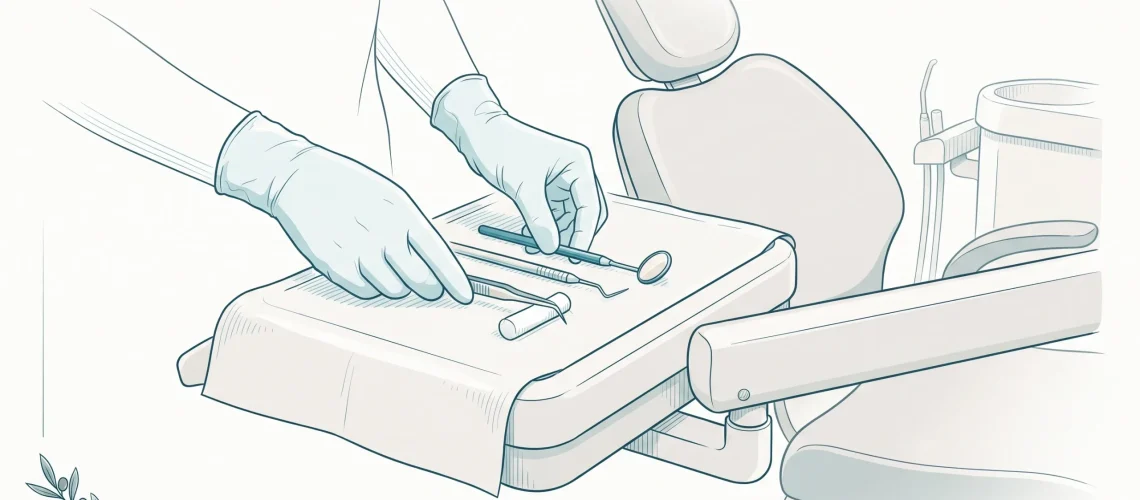
Preparing for a dentist appointment is mostly about bringing the right information, knowing what you want to ask and giving yourself enough time so the visit does not feel rushed. Whether you are booking a routine check-up, asking about a sore tooth or considering cosmetic dental options in Geelong, a little preparation can make the conversation clearer and more useful.
You do not need to diagnose the problem yourself before you arrive. Your dentist can assess your teeth, gums and mouth, then explain what may be appropriate based on your oral health, medical history and individual needs.
Before Your Dentist Appointment: What to Organise
Start with the practical details. Confirm the date, time and location of your visit, particularly if you are attending a clinic for the first time. If you have been sent online forms, completing them beforehand may save time at reception.
Before a dentist appointment, having accurate health information available helps the dental team understand what may affect your care. This is especially relevant if you take regular medicines, have allergies or have had previous dental treatment elsewhere.
Helpful items to bring or write down include:
- Your Medicare card, private health insurance card or concession details if relevant
- A list of medicines, supplements and any blood-thinning medication
- Allergies or previous reactions to medicines, latex or dental materials
- Medical conditions such as diabetes, heart conditions, bleeding disorders or pregnancy
- Recent dental X-rays or records if you have changed clinics
- Your main concern, even if it seems minor or difficult to explain
If you are unsure whether something matters, mention it anyway. A short note on your phone is often enough.
Write Down Symptoms and Questions
A short symptom list can make your dentist appointment more focused. Dental symptoms can change throughout the day, so it is easy to forget details once you are in the chair.
Try to note where the issue is, when it started and what makes it better or worse. For example, sensitivity to cold, pain when biting, bleeding gums, swelling, a chipped tooth or a wisdom tooth that feels tender are all useful details.
You may also want to prepare two or three questions, such as:
- What might be causing this symptom?
- Are X-rays needed to understand the problem?
- What are the possible treatment options?
- What are the benefits, risks and alternatives?
- Can treatment be staged if more than one issue is found?
If you like to be involved in decisions about your oral health, this guide on taking an active role in your dental care explains how to ask clear questions and discuss options with your dentist.
If You Feel Nervous About Going to the Dentist
Feeling anxious about dental care is common, especially if you have had an uncomfortable experience in the past or have not attended for some time. If anxiety is one reason you have delayed a dentist appointment, tell the clinic when you book or mention it at the start of the visit.
Your dentist may be able to explain what is happening before each part of the examination, agree on a signal if you need a pause or discuss ways to make the appointment feel more manageable. For some procedures or for higher levels of anxiety, sedation options may be discussed after a clinical assessment.
Sedation is not suitable for everyone and it may involve specific preparation, fasting instructions or having someone take you home. If this is relevant to you, Gentle Dental Geelong has information about sleep dentistry in Geelong and what to expect at an appointment.
The Day Before and the Morning of Your Visit
For most routine visits, you do not need to change your usual routine before a dentist appointment. Brush and clean between your teeth as normal, but avoid scrubbing aggressively just because you have a booking. Your dentist is there to assess your mouth as it is, not to judge you.
Unless you have been given special instructions, such as before sedation or oral surgery, it is usually fine to eat beforehand. Choose something that sits comfortably and allow enough time to brush if you prefer to freshen your mouth before leaving.
It can also help to:
- Arrive 10 to 15 minutes early if you are a new patient
- Bring glasses, hearing aids or a support person if they help you communicate clearly
- Avoid arriving under the influence of alcohol or recreational drugs
- Let the clinic know if you are unwell or need to reschedule
If you are attending for wisdom teeth, implants, cosmetic dentistry or another planned treatment, follow the instructions given by the clinic rather than general online advice.
Preparing a Child for a Dental Visit
A child’s dentist appointment is usually easier when the explanation is simple and calm. You might say the dentist will count their teeth, check how they are growing and talk about brushing. Avoid making promises about exactly what will happen, as the dentist may need to assess the child first.
Bring any relevant health information, a list of medications and details about thumb sucking, dummy use, tooth grinding, mouth breathing or concerns with brushing. If your child is nervous, a comfort item may help them feel more settled while they wait.
Some children may be eligible for basic dental services under Medicare’s Child Dental Benefits Schedule. Eligibility and claiming rules can change, so check the current information through Services Australia or ask the clinic what details to bring.
Questions About Costs, Options and Treatment Choices
Asking about fees before or during a dentist appointment is reasonable. Dental treatment can vary depending on what is found during the examination, whether X-rays are needed and which treatment options are suitable.
For non-urgent care, you can ask for an estimate, item numbers for your health fund and time to consider your options. Gentle Dental Geelong offers payment plans, though suitability and details should be discussed directly with the clinic.
All dental procedures carry potential benefits, limitations and risks. Before agreeing to treatment, you can ask your dentist to explain what may happen if you proceed, what may happen if you delay and whether there are alternatives. A clinical assessment is needed before any treatment can be recommended.
| If you are booking for | Helpful preparation | Why it may help |
|---|---|---|
| Routine check-up | Bring health fund details and a medicine list | Helps with records and treatment planning |
| Toothache or swelling | Note when symptoms started and what triggers pain | Helps the dentist assess possible causes |
| Broken tooth or filling | Bring any broken piece if you still have it | May help the dentist understand what happened |
| Wisdom tooth concern | Mention swelling, difficulty opening or recent infections | Helps guide the examination and imaging decisions |
| Cosmetic consultation | Think about what bothers you and what you want to understand | Helps keep the discussion realistic and tailored |
| Child visit | Bring Medicare details and any relevant health information | Helps the team check eligibility and plan age-appropriate care |
What May Happen During the Visit
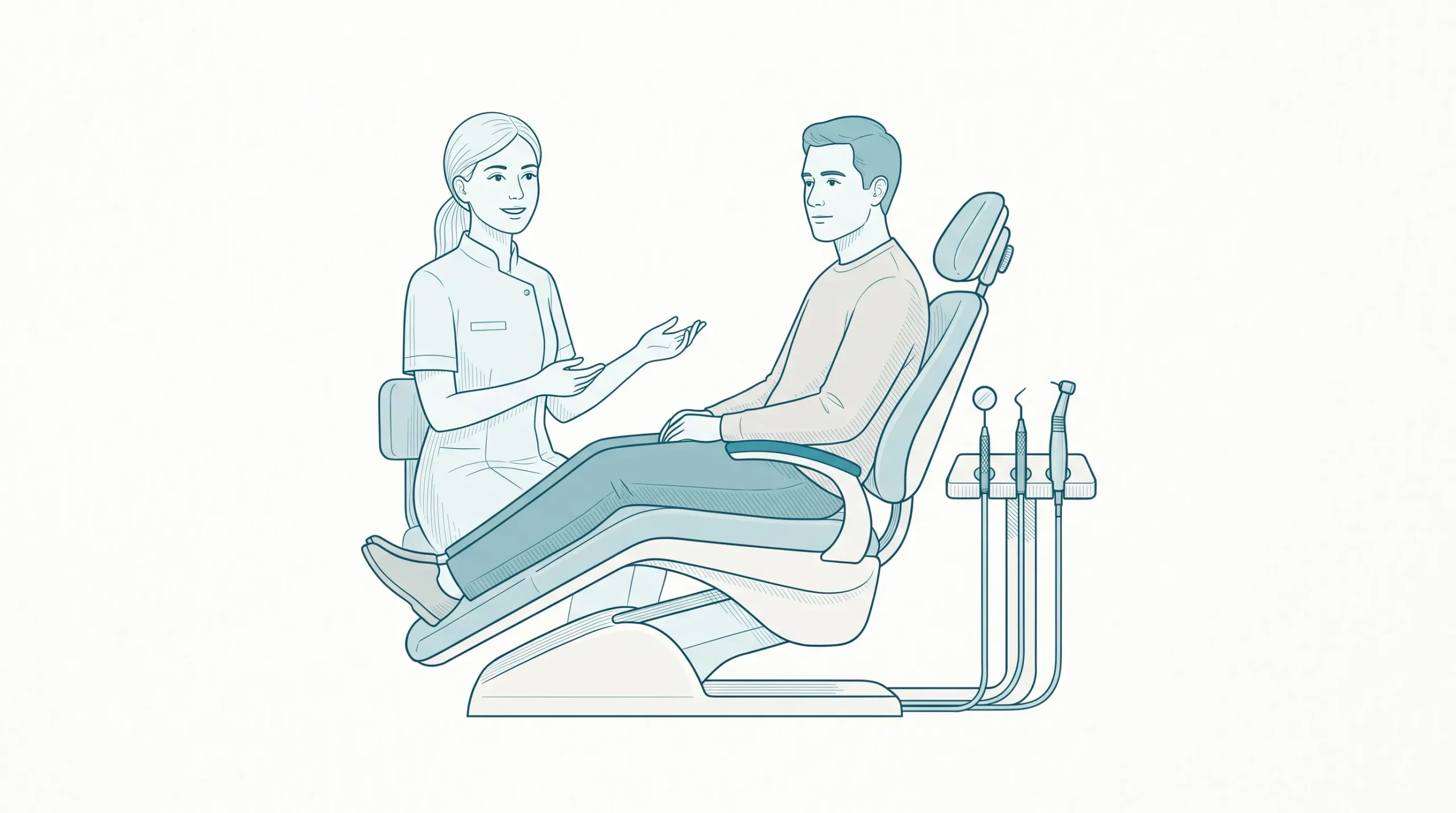
Your appointment will usually begin with a discussion about your reason for attending, your general health and any concerns you have. The dentist may examine your teeth, gums, soft tissues, bite and jaw joints. X-rays may be suggested if they are needed to see areas that cannot be checked properly by sight alone.
A scale and clean may be appropriate at some visits, but not every person needs the same care at the same time. If treatment is recommended, your dentist should explain the reason, possible options, risks, costs and likely next steps.
For a more detailed overview, this article on what happens during a dental visit explains the typical stages of an appointment in plain language.
When to Seek Prompt Advice
Sometimes the best preparation for a dentist appointment is recognising when you should not wait for a routine booking. Dental symptoms do not always mean something serious is happening, but some signs should be assessed promptly.
Contact a dental clinic or appropriate health service if you have facial swelling, severe tooth pain, dental trauma, a knocked-out adult tooth, uncontrolled bleeding, fever with dental symptoms or difficulty opening your mouth. If swelling affects breathing or swallowing, seek urgent medical care or call Triple Zero (000).
General public health information on dental problems is available from healthdirect, but online information cannot replace an examination by a registered dental practitioner.
After the Appointment
After a dentist appointment, it can be useful to write down the main points while they are fresh. This might include the diagnosis discussed, treatment options, costs, home care advice, medicines prescribed or follow-up timing.
If you receive a treatment plan, you do not have to remember every detail immediately. Ask for written information where available and contact the clinic if you are unsure about instructions. For example, after an extraction, filling, crown preparation or whitening discussion, the details may differ from person to person.
Between appointments, daily care still matters. The Australian Dental Association’s patient website, Teeth.org.au, provides general oral health information for Australian patients, including brushing, flossing and diet advice.
Frequently Asked Questions
Should I eat before a dentist appointment? For most routine check-ups, it is usually fine to eat beforehand. If you are having sedation, oral surgery or another planned procedure, follow the specific instructions given by your dental clinic.
How early should I arrive? Arriving 10 to 15 minutes early is helpful if you are a new patient or need to complete forms. If you have already completed everything online, you may not need as much extra time.
Do I need to brush my teeth right before I go? Brush as you normally would. There is no need to over-brush or use harsh products before the visit, as this can irritate your gums.
What if I have not seen a dentist for years? You can still book an assessment. The dentist can check your current oral health, discuss any findings and explain options based on what is clinically appropriate.
Can I bring someone with me? In many cases, bringing a support person is fine, especially if it helps with communication or anxiety. If sedation is involved, you may be required to have a responsible adult take you home.
Will I need treatment on the same day? Not always. Some visits are for examination, advice and treatment planning. If urgent care is needed, your dentist can explain what is recommended and why.
Booking a Dental Appointment in Geelong
If you have a dental concern or are due for a check-up, a dental examination can help clarify what is happening and which options may be appropriate. Patients in Geelong, Newtown, Geelong West, East Geelong, Belmont, Highton and nearby areas can book an appointment with Gentle Dental Geelong to discuss their oral health needs.
Your dentist can assess your mouth, explain the potential benefits and risks of any treatment options and answer questions before you decide what to do next.