
If you are missing one or more teeth and have been searching for a dental implants clinic near me, implants may be one option to discuss with a dentist. They are not suitable for everyone, and they are not the only way to replace missing teeth. A proper dental examination is needed to assess your mouth, gums, bone levels, bite, medical history and goals before any recommendation can be made.
For many people, the question is not simply “Can I get an implant?” but “When does an implant make sense compared with a bridge, denture or leaving the gap alone?” This guide explains the situations where dental implants may be considered, what an assessment usually involves and what to ask before deciding.
What is a dental implant?
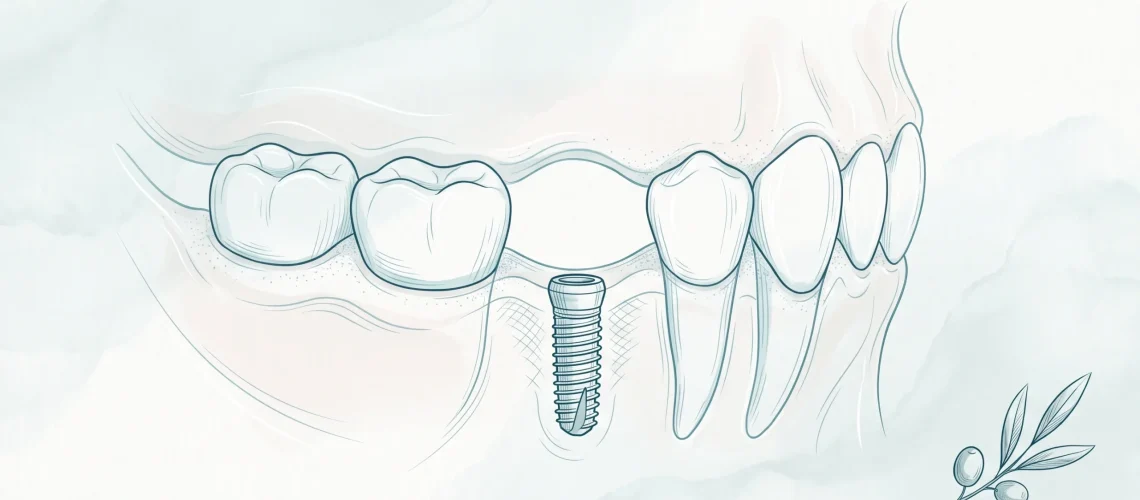
A dental implant is an artificial tooth root, usually made from titanium, that is placed into the jawbone. After healing, it can support a replacement tooth such as a crown, bridge or denture attachment. The Victorian Government’s Better Health Channel explains dental implants as a way to replace missing teeth, but also notes that suitability depends on individual factors.
Implant treatment usually involves more than one stage. There may be planning appointments, imaging, implant placement, healing time and fitting of the final tooth or teeth. Some people need extra procedures, such as bone grafting, before an implant can be placed. Others may be better suited to a different treatment.
Dental implants are commonly discussed for adults who have lost teeth due to decay, gum disease, injury or previous dental treatment. They may also be considered when a tooth is likely to be removed and replacement options need to be planned.
Searching for a dental implants clinic near me in Geelong?
If you live in Geelong, Newtown, Geelong West, East Geelong, Belmont, Highton or nearby areas, searching for a dental implants clinic near me is often the first step when you want local advice. A local dental assessment can help you understand what is happening in your mouth and whether implant treatment may be appropriate for your circumstances.
At Gentle Dental Geelong, dental implant consultations are considered in the context of your overall oral health. That means your dentist will not look only at the missing tooth. They will also consider your gum health, remaining teeth, bite, jawbone, medical history and any treatment preferences you have.
This matters because a missing tooth can be part of a bigger picture. For example, if a tooth was lost due to gum disease, stabilising gum health may be recommended before discussing implant placement. If a tooth is still present but cannot predictably be restored, your dentist may talk with you about timing and replacement options before removal.
When dental implants may be worth discussing
Dental implants may be worth discussing when a missing tooth is affecting function, comfort or the stability of nearby teeth. They may also be considered when you would prefer a fixed replacement and your dentist confirms that your mouth is suitable.
Common situations include:
- A single missing tooth: An implant crown may be considered when one tooth is missing and the neighbouring teeth are healthy. This can avoid reshaping adjacent teeth, which may be needed for some bridge options.
- A tooth that may need removal: If a tooth is severely damaged or cannot be restored, planning the replacement before extraction can help your dentist explain likely timing and options. If you want more context, this article on when teeth removal may be the best treatment option explains why extraction is sometimes recommended.
- Several missing teeth: Implants may be used to support a bridge or denture in some cases. The number and position of implants needed varies between patients.
- Difficulty with a removable denture: Some patients find removable dentures uncomfortable or unstable. Implant-supported options may be discussed if the mouth is suitable.
- A gap that is changing your bite: Missing teeth can sometimes allow nearby teeth to drift or opposing teeth to move. A dentist can assess whether replacing the tooth may help protect the bite.
The right timing depends on the reason for the missing tooth, the condition of the bone and gums and whether any infection or inflammation needs to settle first. Some implants can be placed soon after extraction in selected cases, but many patients need a healing period before implant placement.
When implants may not be the first option
Dental implants are not appropriate for every person or every missing tooth. Your dentist may recommend treating other dental or medical issues first, or may discuss alternatives that better suit your circumstances.
Implants may not be the first option if there is active gum disease, insufficient jawbone, uncontrolled medical conditions, heavy smoking, certain medications affecting bone healing or a bite that places excessive force on the implant. Younger patients whose jaws are still growing are usually not candidates for implants until growth is complete.
Cost, treatment time and maintenance also matter. Implant treatment usually takes longer than some alternatives and requires ongoing cleaning and dental reviews. The implant itself cannot decay, but the gum and bone around it can become inflamed or infected if plaque builds up.
In some cases, doing nothing immediately may be reasonable, particularly if the missing tooth is not affecting function and the surrounding teeth are stable. In other cases, delaying replacement may make treatment more complex later. A dentist can explain the likely implications for your mouth rather than giving a one-size-fits-all answer.
Comparing common options for missing teeth
There are several ways to manage a missing tooth. The most suitable option depends on your oral health, the position of the gap, your bite, budget, expectations and whether nearby teeth also need treatment.
| Option | How it replaces the missing tooth | Common considerations |
|---|---|---|
| Dental implant | A fixture is placed in the jawbone and restored with a crown, bridge or denture attachment | Requires surgery, healing time and suitable bone and gum health |
| Dental bridge | A replacement tooth is attached to neighbouring teeth or restorations | May involve reshaping nearby teeth, unless a more conservative bridge design is suitable |
| Removable denture | A removable appliance replaces one or more missing teeth | Usually less invasive, but comfort and stability vary between patients |
| Leaving the gap | No replacement is fitted at that time | May be suitable in some cases, but tooth movement or bite changes may need monitoring |
Your dentist can explain the benefits, limitations and risks of each option. If your case is complex, referral to another dental practitioner or a registered dental specialist may be discussed.

What happens at a dental implant assessment?
A dental implant assessment is usually focused on information gathering and treatment planning. It does not mean you are committing to treatment.
Your appointment may include:
- A discussion about your concerns: Your dentist will ask what has happened, what you would like to improve and whether you have any concerns about treatment time, cost or comfort.
- Medical history review: Some medical conditions and medications can affect healing or implant suitability, so this information is relevant.
- Dental examination: Your dentist will check the gap, nearby teeth, gums, bite and signs of infection, wear or gum disease.
- X-rays or imaging: Imaging helps assess the jawbone and nearby structures. In some cases, additional 3D imaging may be arranged.
- Discussion of options: You should be given information about possible treatments, alternatives, expected appointments, fees, limitations and risks before making a decision.
If implant treatment appears suitable, you may receive a staged plan. This can include preliminary treatment such as cleaning, gum care, fillings or extraction before implant placement. You can ask for time to consider the information or seek another opinion.
For a broader overview of care types available at a dental clinic, this guide to dental treatment services explains common options including crowns, bridges, implants, emergency care and preventive dentistry.
Benefits that may be possible, and limitations to understand
Dental implants can be useful because they do not rely on a removable plate and, in single-tooth cases, may avoid preparing the teeth beside the gap. They can also provide stable support for replacement teeth when treatment is suitable and well maintained.
However, treatment outcomes and experiences vary between patients. Implant treatment involves surgery and healing, and the final result depends on many factors including bone quality, gum health, oral hygiene, bite forces and general health. Some patients need additional procedures before an implant can be placed, which can add time, cost and complexity.
All dental procedures carry potential risks and benefits. Possible risks of implant treatment can include infection, delayed healing, implant failure, nerve irritation, sinus involvement for upper back teeth, gum recession, discomfort, bleeding, swelling or complications with the crown or bridge attached to the implant. Your dentist should explain the risks relevant to your case before treatment begins.
It is also worth understanding that implants need ongoing care. Regular dental checks, professional maintenance and careful home cleaning are part of looking after the implant and the surrounding gums.
How long does dental implant treatment take?
The time needed for implant treatment varies. Some straightforward cases may involve fewer appointments, while others require several stages over months. Healing time is often needed after extraction, grafting or implant placement, depending on the case.
A typical pathway may include consultation and imaging, any required preliminary dental treatment, implant placement, healing and fitting of the final crown or other restoration. Your dentist can give you a more accurate estimate after assessing your mouth.
It is sensible to ask what can be done during the waiting periods. In some cases, a temporary tooth or denture may be possible while the implant heals. In other cases, leaving the area undisturbed may be recommended.
Comfort, anxiety and planning ahead
Some people feel nervous about implant surgery or dental visits generally. If this applies to you, mention it early. Your dentist can explain what the appointment may involve, what anaesthetic options may be suitable and whether sleep dentistry or another comfort approach may be appropriate for your situation.
Simple preparation can also help. Some patients prefer a morning appointment, a support person to drive them if sedation is used or a clear written plan so they know what to expect. General wellbeing strategies, such as breathing exercises, a walk beforehand or non-dental relaxation services like relaxation massage services in Valencia, may suit some people as separate supports, though they do not replace clinical dental advice or treatment.
If you take medications, have a medical condition or have had previous issues with dental treatment, tell your dentist before the procedure is planned.
Questions to ask before deciding on dental implants
A good consultation should leave you with a clear understanding of your options. Before choosing treatment, consider asking:
- Am I suitable for an implant, and what factors affect that decision?
- Are there signs of gum disease, bone loss or bite issues that need treatment first?
- What are the alternatives to an implant in my case?
- How many appointments may be involved?
- Will I need extra imaging, bone grafting or referral?
- What are the risks and limitations for my mouth?
- What fees are involved, and are staged payment options available?
- How will I clean and maintain the implant after treatment?
You should not feel pressured to decide during the first appointment. Missing tooth treatment can affect your long-term oral health and budget, so it is reasonable to take time to consider the information.
When to seek prompt dental advice
A missing tooth is not always an emergency, especially if the area has already healed. However, some symptoms should be assessed promptly.
Contact a dentist if you have facial swelling, fever, ongoing bleeding, severe pain, trauma, pus, a bad taste that does not settle or a loose tooth after an injury. Healthdirect provides general information about dental care and when to seek help, including advice on urgent symptoms.
Prompt assessment does not mean you will necessarily need an implant. It simply helps identify the cause of symptoms and whether treatment is needed.
Frequently Asked Questions
Are dental implants suitable for everyone with missing teeth? No. Suitability depends on your oral health, jawbone, gums, medical history, medications, smoking status, bite and individual goals. A dental examination is needed before implants can be recommended.
Can I get an implant straight after a tooth is removed? Sometimes, but not always. Immediate implant placement may be suitable in selected cases, while other patients need healing time or additional treatment first. Your dentist can assess the tooth, bone and gum condition before advising on timing.
Is a dental implant better than a bridge or denture? There is no single option that is best for everyone. Implants, bridges and dentures each have benefits, limitations and risks. The right choice depends on your mouth, preferences, budget and treatment goals.
How do I care for a dental implant? Implant care usually involves brushing, cleaning between the teeth or around the implant and regular dental reviews. Your dentist or hygienist can show you techniques suited to your implant restoration.
What if I feel anxious about implant treatment? Tell your dentist during the consultation. They can explain the process, discuss comfort options and help you understand what may be suitable based on your health and the planned procedure.
Discuss missing tooth options in Geelong
If you are missing a tooth or have been told a tooth may need removal, a dental examination can help clarify your options. Dental implants may be considered for some patients, but they are only one option and require individual assessment.
To discuss your concerns, you can contact Gentle Dental Geelong to arrange an appointment in Geelong. Your dentist can assess your oral health and explain the potential benefits, risks, costs and alternatives that may apply to your situation.