

Choosing dental services for a family is easiest when you think beyond today’s appointment. A toddler’s first check-up, a teenager’s wisdom teeth assessment, a parent’s broken filling and a grandparent’s denture or implant discussion are different needs, but they all benefit from the same thing: clear advice, appropriate options and care that fits the person in the chair.
For families in Geelong, the right choice is not necessarily the clinic with the longest list of treatments. It is the clinic that can explain what is needed, what can safely wait, what alternatives exist and what may suit your family’s health, budget and comfort level.
What changing family needs can look like
Family oral health changes gradually. Young children may need help building brushing habits and becoming comfortable with dental visits. Teenagers may need advice about sports mouthguards, orthodontic concerns or wisdom teeth. Adults often need routine care, fillings, crowns or gum health support. Older adults may need help with worn teeth, missing teeth, dry mouth or existing dental work.
That is why choosing dental services is less about finding a single treatment and more about finding a practical pathway for different ages and circumstances. A useful family dental clinic should be able to assess each person individually, rather than applying the same plan to everyone.
It also helps to choose a clinic that speaks plainly. Dental terms can sound unfamiliar, especially when you are weighing up treatment for a child, an anxious family member or someone with a medical condition. Your dentist should be able to explain the reason for any recommendation, the likely steps involved and the possible risks or limitations.
Start with the core care most families use
Most families need preventive and routine care before they need advanced treatment. Preventive care usually includes dental examinations, professional cleaning where appropriate, fluoride advice, oral hygiene guidance and monitoring of early changes. The Australian Dental Association’s public site teeth.org.au provides patient-friendly information about common oral health topics, including brushing, flossing and diet.
Routine care matters because it helps identify concerns early, but it does not mean every person needs treatment at every visit. Sometimes the appropriate recommendation is monitoring, improving home care or reviewing a concern again later.
A family may use different dental services at different times, including children’s dentistry, fillings, gum care, emergency appointments, crowns, bridges, clear aligner discussions, wisdom teeth assessments, cosmetic consultations or missing tooth replacement options. If you are trying to understand what may be available in a general family setting, Gentle Dental Geelong has a related guide on what dental clinic services your family could need.
How to match dental services to each life stage
A family’s needs are easier to plan when you look at them by stage of life. The table below is a general guide only. A dentist still needs to assess each person’s mouth, medical history and goals before recommending care.
| Life stage | Common dental priorities | Useful questions to ask |
|---|---|---|
| Babies and toddlers | First visits, brushing support, diet advice, monitoring development | When should my child be seen, and how can we make visits calm? |
| Primary school children | Check-ups, fissure sealant discussions, mouthguards, habit advice | Are the adult teeth coming through as expected? |
| Teenagers | Wisdom teeth monitoring, orthodontic concerns, sports protection, diet habits | Should we review bite, crowding or wisdom teeth? |
| Adults | Routine care, gum health, fillings, crowns, cosmetic options, comfort concerns | What are my options, and what happens if I wait? |
| Older adults | Existing dental work, worn teeth, missing teeth, dry mouth, denture or implant discussions | Which option suits my health, function and maintenance needs? |
For a broader age-by-age overview, you may find Gentle Dental Geelong’s practical guide to family dental care at every age helpful.
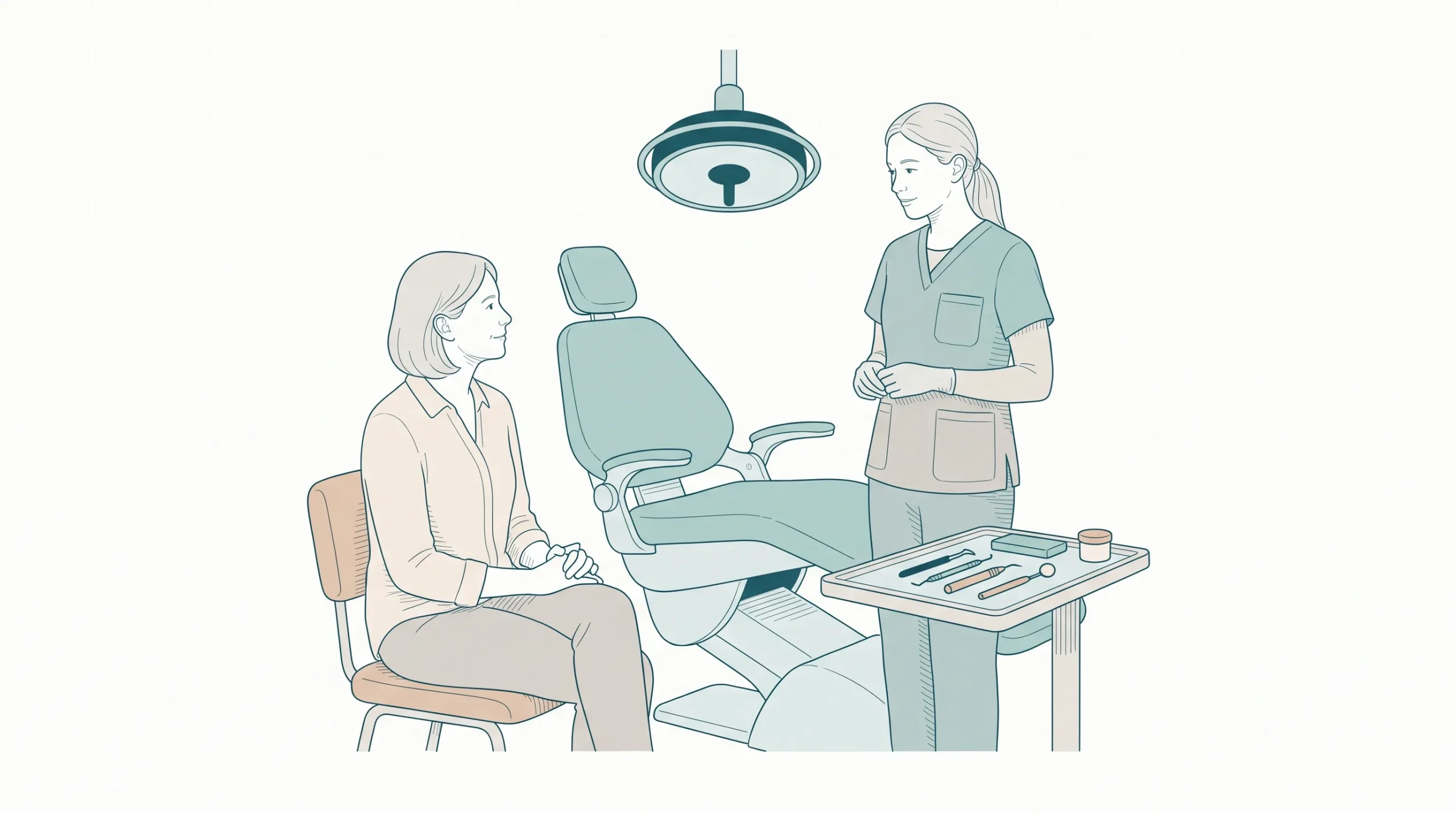
Look for care that can adapt, not a one-size-fits-all plan
Good family dentistry takes individual factors into account. Two people can have the same dental issue but need different approaches because of their age, oral hygiene, medical history, anxiety level, bite, finances or treatment goals.
For example, a chipped tooth might be monitored, smoothed, restored with filling material or assessed for a crown depending on the amount of tooth structure remaining and symptoms. A missing tooth might be managed with no immediate replacement, a denture, a bridge or an implant after assessment. None of these options is automatically right for everyone.
When dental services are chosen properly, your dentist should talk through the benefits, limitations, risks and alternatives. All dental procedures carry potential risks. These may include sensitivity, discomfort, infection, the need for further treatment or an outcome that differs from what was expected, depending on the procedure and individual circumstances.
If you want to understand how this individual approach works in practice, Gentle Dental Geelong has an article explaining how dentists tailor care to individual needs.
Practical considerations for Geelong families
For Geelong families, dental services also need to fit real life. Location, appointment availability, transport, school schedules, work hours and the needs of anxious patients can all affect whether care feels manageable.
If you live in or around Geelong, including areas such as Newtown, Geelong West, East Geelong, Belmont or Highton, it may be useful to choose a clinic that can provide routine family care as well as guidance when more complex needs arise. Gentle Dental Geelong offers general family dentistry along with services such as wisdom teeth removal, sleep dentistry, implants, Invisalign, crowns and bridges, porcelain veneers and emergency dental care. Suitability for any of these options depends on assessment.
Registration is another practical check. In Australia, dental practitioners must be registered. You can search the AHPRA register of practitioners if you want to confirm registration details.
Costs, payment and children’s eligibility
Cost is a reasonable part of choosing care. A clinic should be able to explain fees before treatment begins, provide an estimate where appropriate and discuss staged care if several issues need attention. Payment plans may be available at some clinics, but the suitability and terms should be confirmed directly before starting treatment.
For children, some families may be eligible for Medicare’s Child Dental Benefits Schedule, often called CDBS. This program helps eligible children access basic dental services up to a set limit. Services Australia provides current information about the Child Dental Benefits Schedule. Gentle Dental Geelong offers bulk bill children’s dental care through Medicare’s Child Dental Benefits Scheme for eligible patients, but eligibility should always be checked.
Comfort, anxiety and complex treatment needs
Some family members avoid appointments because they feel nervous, embarrassed or unsure what will happen. A supportive clinic should explain appointments clearly, allow time for questions and avoid pressuring a person into treatment before they understand their options.
For some procedures or anxious patients, sleep dentistry or sedation options may be discussed. These approaches are not suitable for everyone and require assessment of medical history, medications, the planned procedure and individual risks. Your dentist can explain whether this may be appropriate and what preparation or aftercare would be involved.
Questions to ask before choosing a clinic
A useful way to compare dental services is to ask practical questions before you commit to ongoing care. You do not need to ask every question at once, but these can help you understand how a clinic approaches treatment planning.
- What routine care do you provide for children, adults and older patients?
- How do you explain treatment options, risks and alternatives?
- Can you provide a written estimate before treatment starts?
- What happens if a family member has dental anxiety?
- Do you manage urgent dental concerns, and how are emergencies triaged?
- If a treatment is not suitable here, will you explain referral options?
- How do you help families plan treatment in stages when appropriate?
The answers should feel clear, balanced and specific to the person being assessed. Be cautious of any advice that makes a treatment sound guaranteed, risk-free or necessary for everyone.
Signs you may need to ask more questions
It is reasonable to pause and ask for clarification if you do not understand why treatment has been recommended. You may also want more information if you have not been told about alternatives, if costs are unclear or if you feel rushed into a decision.
This does not mean the recommendation is wrong. Dental care sometimes needs timely attention, especially with infection, swelling, trauma or significant pain. However, you should still be given an explanation that makes sense to you, including what may happen if treatment is delayed.
A second opinion can be considered if you are unsure about a major procedure or if several options are available. This can be particularly helpful for treatments such as implants, extensive crown and bridge work, aligners, veneers or surgical wisdom teeth removal.
When to book an assessment
You may want to book a dental assessment if a family member has toothache, swelling, bleeding gums, a broken tooth, jaw pain, loose adult teeth, mouth ulcers that do not heal, difficulty eating or a dental injury. These symptoms do not always mean complex treatment is needed, but they should be assessed by a dentist.
Routine check-ups can also be useful for families who have not attended for a while or who are moving to a new area. If your family is new to Geelong or you are reassessing your care after life changes, such as having children, ageing parents or new health conditions, an initial examination can help identify priorities.
Choosing dental services is ultimately about finding care that can adjust as your family changes. A dentist can assess the current situation, explain suitable options and help you decide what is appropriate based on clinical needs and personal circumstances.
Frequently Asked Questions
How often should my family visit the dentist? The right interval varies. Some people benefit from six-monthly visits, while others may need a different schedule depending on gum health, decay risk, medical history and existing dental work. Your dentist can recommend a review interval after assessment.
Which dental services should children have first? Children usually start with simple check-ups, brushing and diet advice, monitoring of tooth development and preventive care where suitable. Some children may need fillings, fissure sealants or mouthguards, depending on their age and oral health.
Do all teenagers need wisdom teeth removed? No. Wisdom teeth only need treatment when they are causing problems or are likely to create issues based on their position, symptoms and clinical findings. A dentist can assess whether monitoring, imaging or referral is appropriate.
Can one family dentist manage cosmetic and general care? In many cases, a general dentist can discuss both general and cosmetic concerns, such as tooth colour, shape or alignment. Suitability for options such as veneers, crowns or Invisalign depends on oral health, bite, tooth structure and expectations.
What should I do if a family member is anxious about dental treatment? Mention this when booking and again at the appointment. The dental team can explain what to expect, move at a comfortable pace where clinically appropriate and discuss comfort options. For some patients or procedures, sedation may be considered after assessment.
Discuss your family’s needs with a Geelong dentist
If your family’s dental needs are changing, a dental examination can help identify what is happening and which options may be appropriate. The team at Gentle Dental Geelong can assess your oral health, explain possible benefits and risks, and discuss care that suits your individual circumstances.
To discuss your concerns, you can book an appointment with Gentle Dental Geelong in Geelong.