
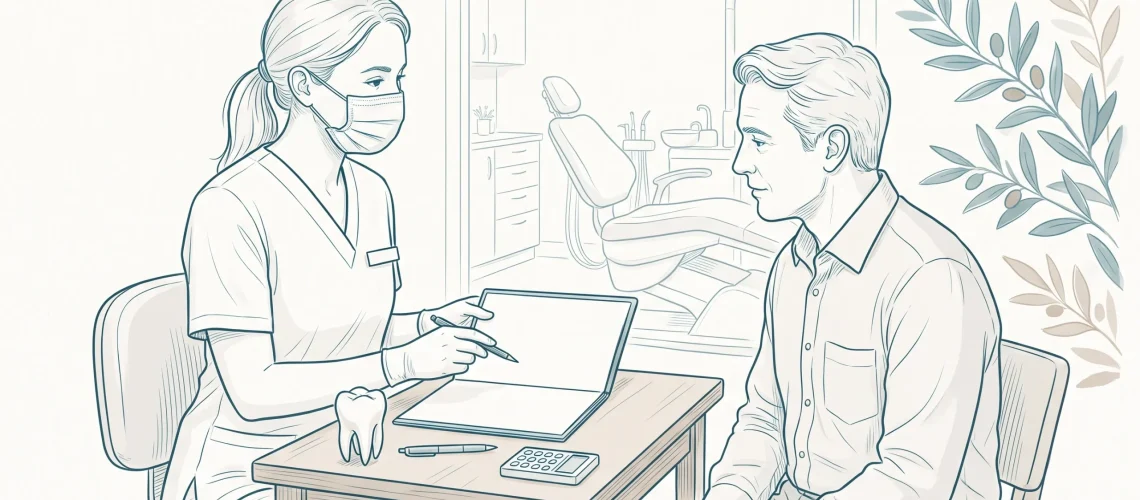
A dental care centre for ongoing care should make it easier to look after your oral health over time, not just deal with a single problem and send you on your way. For patients in Geelong and nearby areas such as Newtown, Geelong West, East Geelong, Belmont and Highton, the right choice usually comes down to trust, clear communication, appropriate services, practical access and a treatment approach that suits your needs.
Ongoing dental care is different from a one-off appointment. It involves regular check-ups, preventive advice, monitoring changes in your teeth and gums and planning treatment in a way that considers your oral health history. The aim is to help you make informed decisions, with a dentist who can explain options, risks, limitations and likely costs before you proceed.
What makes a dental care centre suitable for ongoing care?
A suitable dental care centre should be able to support regular preventive care, identify concerns early where possible and coordinate treatment when more than one type of dental service may be needed. That does not mean every person needs complex treatment. For many patients, ongoing care may simply involve check-ups, cleans, X-rays when clinically appropriate and practical advice about brushing, flossing, diet and habits.
The value of returning to the same practice over time is continuity. When a dental team has access to your previous records, X-rays, medical history and treatment preferences, they can compare changes and discuss options in context. This may be helpful if you have dental anxiety, gum concerns, worn teeth, previous restorations, missing teeth or a child who is still getting used to dental visits.
Healthdirect notes that good oral health is linked with daily home care and regular dental visits based on individual needs. You can read general public-health information about dental health in Australia, although personalised advice should come from a dental practitioner who has examined you.
Check registration, transparency and scope of care
In Australia, dentists and other registered dental practitioners must be registered with the Dental Board of Australia. You can check a practitioner’s registration using the AHPRA public register. This is a practical first step when choosing any dental care centre, especially if you are new to an area or comparing several clinics.
It is also useful to understand the difference between a general dentist and a dental specialist. Many general dentists provide a broad range of dental care, such as examinations, fillings, crowns, children’s dentistry and some cosmetic or surgical procedures, depending on their training, experience and the patient’s circumstances. A dental specialist has completed additional recognised training in a specialty area and is registered as a specialist. If your situation is complex, your dentist can discuss whether referral may be appropriate.
Gentle Dental Geelong provides general family dentistry as well as services such as wisdom teeth removal, sleep dentistry, dental implants, Invisalign treatment, crowns and bridges, porcelain veneers and emergency dental care. Suitability for any treatment depends on an individual assessment, including your oral health, medical history, anatomy and goals.
If you are comparing the dentist rather than the broader practice, you may also find it helpful to read this local guide on how to choose a good dentist for routine care.
Look for a preventive approach, not just treatment after problems occur
A good ongoing-care relationship should include prevention. This means your dentist and oral health team talk with you about how to reduce the risk of future problems rather than only treating issues after symptoms appear.
Preventive care may include:
- Checking teeth, gums, soft tissues, bite and existing fillings or crowns
- Discussing home brushing and interdental cleaning, such as floss or interdental brushes
- Taking dental X-rays when needed to assess areas that cannot be seen directly
- Reviewing diet, dry mouth, smoking, teeth grinding or other risk factors
- Suggesting a recall interval based on your risk, rather than using the same schedule for every patient
Not every patient needs the same frequency of visits. Someone with active gum disease, frequent decay or complex dental work may need more regular review than someone with stable oral health. Your dentist can explain what they recommend and why.
| What to look for | Why it matters for ongoing care | A question you can ask |
|---|---|---|
| Clear preventive advice | Helps you understand how to care for your teeth between visits | “What should I focus on at home before my next visit?” |
| Records and X-ray comparison | Allows changes to be monitored over time | “Will you compare today’s findings with my previous records?” |
| Individual recall recommendations | Avoids a one-size-fits-all approach | “How often should I come in, based on my risk factors?” |
| Treatment planning | Helps you prioritise care when several issues are present | “Which concerns are most important to address first?” |
Make sure communication feels clear and respectful
For ongoing care, communication matters as much as the list of services. You should feel able to ask questions without feeling rushed or embarrassed. A dentist should explain what they can see, what it may mean, what options are available and what could happen if you choose to monitor something rather than treat it immediately.
Before treatment, you can reasonably expect information about potential benefits, risks, limitations, alternatives and costs. This is part of informed consent. For example, if a crown, filling, extraction, implant or aligner treatment is being discussed, the dentist should explain why it may be considered, what the process may involve and what uncertainties apply.
Useful signs of good communication include plain-language explanations, written estimates where appropriate and space to consider your options. If you are comparing dental websites, look for practical information about services, comfort, payment arrangements and appointment options. As a Victorian example outside the Geelong area, My Smile Dental in Sydenham presents information about its services, location and patient comfort approach, which are the types of details patients often look for when comparing clinics.
Consider comfort, anxiety support and appointment style
Many people delay dental care because they feel anxious, have had difficult experiences in the past or are worried about discomfort. If this sounds familiar, it is worth choosing a dental care centre that takes these concerns seriously.
You may want to ask how the clinic supports nervous patients. Some people benefit from slower explanations, short appointments, a stop signal or the option to discuss treatment before anything is done. Others may need to talk about sleep dentistry or sedation options, depending on the treatment, their medical history and whether it is suitable.
Sedation and sleep dentistry are not appropriate for everyone and can involve risks, so they should only be discussed after an assessment. If you have medical conditions, take medications, are pregnant or have had previous reactions to sedation or anaesthetic, mention this early so the dentist can consider your circumstances.

Think about access, location and continuity in Geelong
Even a well-regarded clinic may not be the right fit if it is hard for you to attend regularly. For ongoing care, convenience is not superficial. It can influence whether check-ups, reviews and follow-up appointments actually happen.
For Geelong patients, consider travel time from home, work, school or university. A location that is manageable from areas such as Belmont, Highton, Geelong West, Newtown or East Geelong may make routine visits easier to maintain. If you care for children or older family members, parking, appointment times and the ability to coordinate family appointments may also matter.
It is also worth asking what happens if you need prompt advice for a toothache, broken tooth, swelling or lost filling. Not every dental concern is an emergency, but some symptoms need timely assessment. Severe pain, facial swelling, trauma, uncontrolled bleeding or signs of infection should be discussed promptly with a dental clinic or appropriate medical service. For more detail, this guide explains how to find a dental clinic when you need care promptly.
Compare services without assuming you need everything in one place
A broad range of services can be helpful, particularly if your family has different needs. However, more services does not automatically mean better care for your situation. What matters is whether the clinic can assess you appropriately, explain your options and refer when needed.
Common services that may be relevant to ongoing care include examinations, cleans, fillings, crowns, bridges, wisdom teeth assessment, children’s dentistry, emergency appointments, cosmetic consultations, dental implants and aligner treatment such as Invisalign. Some of these treatments are only suitable in specific circumstances and may not be recommended after assessment.
If you are unsure what different services involve, Gentle Dental Geelong has a plain-language guide to dental treatment services that may be available. It can help you understand the broad categories before you speak with a dentist.
For more complex treatment, ask whether the dentist will provide a staged plan. This may include stabilising urgent issues first, then discussing longer-term options. A staged approach can help you understand priorities rather than feeling that every possible concern must be addressed at once.
Ask about fees, payment options and children’s dental benefits
Dental costs can vary depending on the treatment, materials, complexity and whether additional appointments or imaging are required. A dental care centre should be able to provide an estimate before treatment where possible, along with item numbers if you plan to check private health insurance benefits.
Questions about fees are reasonable. You can ask what is included in the estimate, whether there may be additional costs and what alternatives may be available. If payment plans are offered, ask about eligibility, terms, fees and what happens if treatment changes. This helps you make decisions based on clear information rather than assumptions.
For eligible children, the Australian Government’s Child Dental Benefits Schedule may help cover basic dental services. Eligibility and benefit limits can change, so it is best to check current information through Services Australia’s Child Dental Benefits Schedule page. Gentle Dental Geelong offers bulk bill children’s dental care through Medicare’s Child Dental Benefits Scheme for eligible patients.
If you are comparing private dental care in the local area, this article on private dental care options in Geelong may help you prepare questions about fees, services and health fund information.
What to ask before choosing a dental care centre
Before you commit to ongoing care, it can help to write down a few questions. You do not need to ask everything in one appointment, but these can guide your decision.
- “Are the dentists registered in Australia, and can I check their registration?”
- “How do you decide how often I should have check-ups?”
- “What information will I receive before treatment?”
- “Can you explain the risks, benefits and alternatives in plain language?”
- “How do you support patients who feel anxious about dental care?”
- “What should I do if I have a dental concern between appointments?”
- “Can I receive a written estimate and item numbers before treatment?”
- “Do you provide care for children, adults and older patients?”
Your first visit can also tell you a lot. Notice whether the team asks about your medical history, medications, dental concerns and previous experiences. A careful assessment should consider the person, not just the tooth.
Frequently Asked Questions
How often should I visit a dental care centre for ongoing care? The right interval varies. Some people may be advised to attend every six months, while others need more or less frequent reviews depending on gum health, decay risk, medical conditions, previous dental work and home care. Your dentist can recommend a recall schedule after assessing you.
Is it better to choose a clinic with many services? A broad service range can be convenient, but it is not the only factor. Clear communication, appropriate assessment, transparent fees and willingness to refer when needed are also important. Suitability for any treatment depends on your individual circumstances.
What should I bring to my first appointment? Bring details of your medical history, current medications, allergies, private health insurance information if relevant and any recent dental X-rays if you have them. It can also help to write down your main concerns and questions beforehand.
Can one dental care centre look after my whole family? Many general dental practices provide care for children, adults and older patients. If you are choosing a clinic for several family members, ask about children’s appointments, preventive care, emergency arrangements and how the clinic communicates treatment options for different ages.
What if I am nervous about dental treatment? Tell the dental team before or at the start of your appointment. They can discuss ways to make the visit more manageable, such as explaining each step, taking breaks or considering other options when clinically suitable. Treatment experiences vary, and it is reasonable to discuss your concerns openly.
Choosing ongoing dental care in Geelong
Choosing a dental care centre is a personal decision. Look for a practice that explains findings clearly, supports preventive care, provides transparent information about fees and discusses treatment options without pressure. It is also reasonable to consider practical details such as location, appointment availability and whether the clinic can support your family’s needs over time.
If you would like to discuss ongoing dental care in Geelong, you can contact Gentle Dental Geelong to arrange an assessment. A dental examination can help identify your current oral health needs and which options may be appropriate for your circumstances.