

If you are searching for dentist and dentistry information because you are booking your first appointment, the main thing to know is that a dental visit is a health appointment, not a test you need to pass. A dentist checks your teeth, gums, mouth and jaw, listens to your concerns and explains what options may be suitable for your situation. You do not need to arrive knowing dental terms or already understanding what treatment you may need.
For many first-time patients in Geelong, the uncertainty is the hardest part. You might be wondering whether a check-up will be uncomfortable, what a dentist will look for, whether you will need X-rays or how much treatment might cost. A good appointment should give you clear information, time to ask questions and a treatment plan only if something needs attention.
What does a dentist do?
A dentist is a registered health practitioner who assesses, diagnoses and treats conditions affecting the teeth, gums, mouth and related structures. In everyday terms, that can include checking for tooth decay, gum disease, worn teeth, oral infections, wisdom tooth concerns, jaw issues, dental injuries and changes in the soft tissues of the mouth.
Dentistry is the broader field that covers prevention, diagnosis, treatment planning and procedures for oral health. When people use the phrase dentist and dentistry, they are often trying to understand both the person they will see and the types of care that may be offered.
A general dentist commonly provides routine check-ups, cleans, fillings, gum care, mouthguards, crowns, bridges and advice about home care. Some general dental practices also provide services such as wisdom teeth removal, sleep dentistry, dental implants, clear aligner treatment and cosmetic dental options, depending on the clinic and the patient’s needs.
If you would like a deeper overview of the role of a general dentist, Gentle Dental Geelong has a related guide on what a general dentist can do for your oral health.
Why people book a dental appointment
You do not need to wait for toothache before seeing a dentist. Many people book because they want a baseline check, have not attended for a while or want advice about a specific concern. Others come in because something has changed, such as sensitivity, bleeding gums, a cracked tooth, bad breath, jaw discomfort or a filling that feels rough.
Preventive appointments can help identify concerns early, although the timing of check-ups varies between patients. Risk factors such as a history of decay, gum disease, dry mouth, smoking, diabetes, pregnancy, orthodontic treatment and some medications may affect how often a dentist recommends review appointments.
The Australian Dental Association’s patient resource, Teeth.org.au, provides general oral health information for the public. Healthdirect also has information about dental care in Australia, including when to seek dental advice.
If you are new to dentist and dentistry appointments, it is reasonable to book even if your concern feels minor. A clinical examination can help clarify whether monitoring, preventive care or active treatment may be appropriate.
What may happen at your first visit
First appointments vary depending on why you are attending. A routine check-up is different from an emergency appointment, a cosmetic consultation or a wisdom tooth assessment. For first-time patients, dentist and dentistry appointments usually begin with a conversation about your reason for visiting, medical history and any symptoms or concerns.
Your dentist may ask about medications, allergies, previous dental experiences, pregnancy, health conditions, smoking or vaping and whether you grind or clench your teeth. This information can affect treatment choices and safety planning.
A first visit may include:
- A discussion about your main concern and dental history
- An examination of your teeth, gums, bite, jaw and soft tissues
- X-rays if they are clinically needed and you consent
- A clean if appropriate for the appointment type
- Advice about brushing, flossing, diet or risk factors
- A discussion of treatment options, costs, benefits and risks if treatment is recommended
You can ask your dentist to pause, explain what they are doing or avoid starting treatment until you understand your options. For a more detailed walk-through, read Gentle Dental Geelong’s guide to what happens during a dental visit.
Common areas of dental care, in plain language
Dental care covers many different needs. Some appointments are mainly preventive, while others focus on repairing teeth, managing infection, replacing missing teeth or discussing appearance-related concerns. The right approach depends on your oral health, medical history, anatomy, budget, preferences and treatment goals.
| Area of care | What it may involve | Why it may be discussed |
|---|---|---|
| Preventive care | Check-ups, cleans, fluoride advice and home care guidance | To reduce risk and monitor changes over time |
| Restorative care | Fillings, crowns or bridges | To repair damaged, decayed or heavily worn teeth |
| Gum care | Gum measurements, cleaning and advice | To assess bleeding, inflammation or gum disease risk |
| Wisdom teeth | Examination, X-rays and treatment planning | To assess pain, infection, crowding or difficult eruption |
| Cosmetic options | Whitening, veneers or reshaping discussions | To discuss appearance concerns and suitability |
| Tooth replacement | Implants, bridges or dentures | To consider options when teeth are missing |
| Emergency care | Assessment of pain, swelling, trauma or broken teeth | To investigate urgent symptoms and plan appropriate care |
At Gentle Dental Geelong, available services include general family dentistry, wisdom teeth removal, sleep dentistry, dental implants, Invisalign treatment, crowns and bridges, porcelain veneers, emergency dental care, payment plans and children’s dental care through Medicare’s Child Dental Benefits Schedule where eligible.
The words dentist and dentistry can sound broad, but most treatment decisions come back to a few simple questions: what is happening, why is it happening, what are the reasonable options and what are the risks of doing or not doing treatment?
Costs, anxiety and treatment preferences
It is common to feel unsure about dental costs before a first appointment. Fees can vary because patients may need different examinations, X-rays, materials, appointment lengths or treatment approaches. A quote should be specific to your mouth and the procedure being recommended.
If treatment is optional, staged or cosmetic, your dentist can explain what may be done now, what can be monitored and what could be considered later. If a treatment plan has several parts, ask which items are urgent, which are preventive and which relate mainly to appearance or preference.
Anxiety is also common. Some people feel embarrassed about how long it has been since their last visit, while others worry about discomfort, sounds, loss of control or previous dental experiences. You can tell the dental team about these concerns at the start of the appointment. Depending on the situation, options may include taking breaks, agreeing on a hand signal, explaining instruments before use or discussing sedation options for suitable procedures.
If cost is a major concern, this guide to understanding dental care prices before your visit may help you prepare questions before booking.
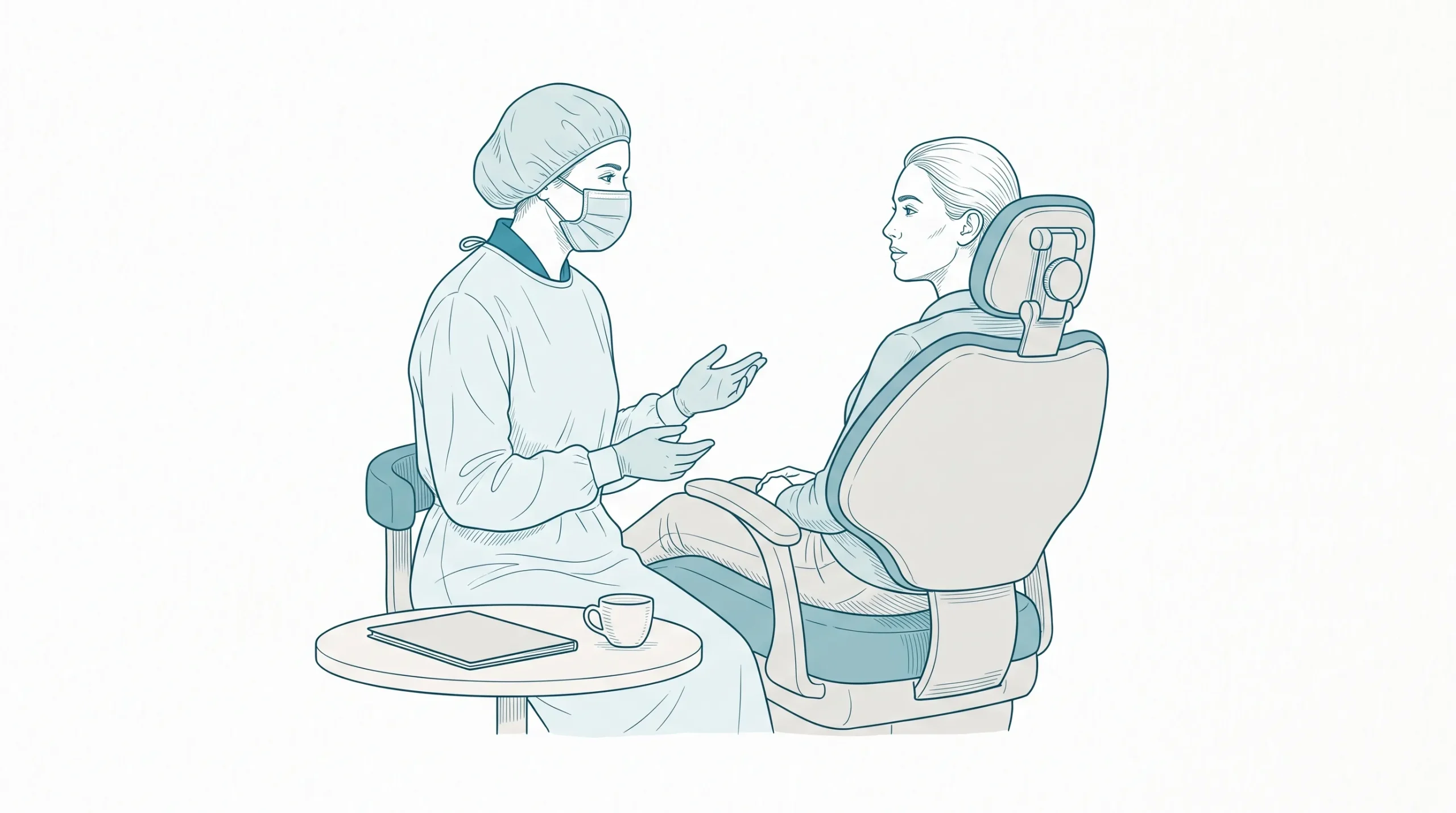
Dentist and dentistry decisions depend on your individual assessment
No article can tell you exactly which dental treatment you need. A dentist can only recommend care after assessing your mouth, symptoms, health history and any relevant imaging. This is especially important for treatments such as wisdom teeth removal, implants, crowns, veneers, orthodontic aligners and sedation, where suitability varies between patients.
All dental procedures have potential benefits, limitations and risks. For example, a filling may restore a decayed area of a tooth, but the tooth still needs ongoing care. A crown may be considered for a heavily weakened tooth, but it requires tooth preparation and future maintenance. Whitening may improve the colour of natural teeth for some patients, but it does not change the colour of fillings, crowns or veneers.
A balanced treatment discussion should include:
- The likely cause of the problem, if it can be identified
- The available options, including whether monitoring is reasonable
- The expected appointment steps
- Possible risks, side effects and limitations
- Fees, item numbers and payment arrangements where relevant
- What may happen if treatment is delayed or declined
Children may have different needs from adults. Some eligible children can access dental benefits through Medicare’s Child Dental Benefits Schedule. Services Australia provides current information about Child Dental Benefits Schedule eligibility.
How to prepare for your appointment in Geelong
A little preparation can make your first visit easier. Bring a list of medications, allergies, health conditions and any recent dental X-rays if you have them. If you have private health insurance, bring your card or details so the practice can advise how claiming may work.
If you are booking for pain, swelling, trauma or a broken tooth, explain your symptoms clearly when arranging the appointment. Facial swelling, fever, difficulty swallowing, uncontrolled bleeding or a knocked-out adult tooth may need prompt assessment. If symptoms are severe or affecting breathing or swallowing, seek emergency medical care.
For routine appointments, think about what you want to ask. First-time dentist and dentistry visits are often easier when you write questions down rather than trying to remember them in the chair.
Useful questions include:
- What did you find during the examination?
- Are there any areas we can monitor?
- What are the benefits, risks and alternatives of this treatment?
- How many appointments may be involved?
- What should I expect after treatment?
- Can I have a written estimate before deciding?
Gentle Dental Geelong is located in Geelong, Victoria, which may be convenient for people living or working around nearby areas such as Newtown, Geelong West, East Geelong, Belmont and Highton. Availability, appointment type and treatment suitability should be confirmed directly with the clinic.
Frequently Asked Questions
Do I need treatment at my first dental appointment? Not necessarily. Many first visits are mainly for assessment, discussion and planning. If treatment is recommended, your dentist should explain the reason, options, risks, costs and whether it can be done at a later appointment.
Will the dentist judge me if I have not been for years? Dental teams regularly see people who have delayed care for many reasons. A useful appointment should focus on your current oral health, what is causing your concerns and what options may be appropriate from here.
How often should I see a dentist? There is no single interval that suits everyone. Your dentist can suggest a review schedule based on your decay risk, gum health, medical history, age and previous dental concerns.
Can I bring someone with me? Many practices allow a support person, although this can depend on room size, privacy and the type of procedure. Ask when booking if you would like someone to attend with you.
What if I am nervous about dental treatment? Tell the team before or at the start of the appointment. Your dentist can discuss ways to make the visit more manageable and whether options such as staged treatment or sedation may be suitable for your needs.
Speaking with a dentist in Geelong
Understanding dentist and dentistry basics can make your first appointment feel more predictable. You do not need to know what treatment you need before you attend. The purpose of the visit is to assess your oral health, answer your questions and explain suitable options based on your circumstances.
To discuss a concern, arrange a check-up or ask about services available at Gentle Dental Geelong, you can contact the clinic and book an appointment in Geelong. A dental examination can help determine the cause of your symptoms and which options may be appropriate for you.