
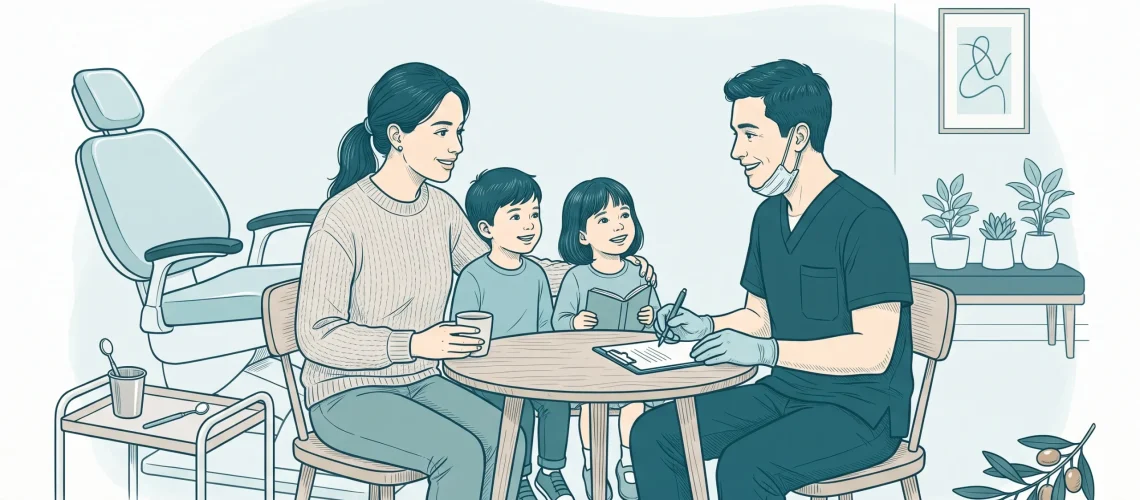
If you have searched for a general dental practice near me, you are probably looking for more than a single appointment. For a family, the right dental practice should feel practical, clear and suitable for different ages, needs and comfort levels. It should also give you enough information to make decisions without pressure.
A general dental practice usually provides routine check-ups, cleans, fillings, children’s dental care and advice about prevention. Many also offer selected restorative, cosmetic or urgent dental services, depending on the training, equipment and scope of the dentists at that clinic. The goal is not to find a clinic that does absolutely everything, but to find one that can safely manage your family’s usual dental needs and explain when referral may be appropriate.
What a general dental practice near me should offer a family
A family dental practice should be able to assess oral health, explain findings in everyday language and outline suitable options. This may include preventive care, treatment for tooth decay or gum concerns, management of broken teeth and advice about habits such as brushing, flossing, mouthguards and diet.
It is also worth checking whether the practice sees children, teenagers, adults and older adults. Family dentistry can be helpful when one clinic understands your household’s dental history over time. For example, a child may need fissure sealant advice, a teenager may need wisdom teeth monitoring and an adult may want to discuss a worn filling or missing tooth.
When you compare a general dental practice near me, look for a clinic that can explain both routine care and more complex options without implying that every person needs the same treatment. Dental needs vary with age, medical history, oral hygiene, diet, anatomy and personal preferences.
Start with registration, safety and professional standards
In Australia, dentists must be registered to practise. You can check a practitioner’s registration through the AHPRA public register, which is maintained for registered health practitioners.
Registration is only one part of choosing a clinic, but it is an important starting point. A suitable practice should also have clear infection prevention processes, professional communication and an approach that supports informed consent. Informed consent means you are given enough information about a proposed treatment, including likely benefits, possible risks, alternatives and the option of no treatment, before you decide.
You do not need to understand every technical detail before booking, but you should feel comfortable asking questions. If a treatment is recommended, the dentist should be able to explain why it is being considered and whether there are simpler or staged options.
Match services to your family’s current and future needs
Not every family needs advanced dental services, but it can be convenient if a practice offers a broad range of care. At Gentle Dental Geelong, services include general family dentistry, wisdom teeth removal, sleep dentistry, dental implants, Invisalign treatment, crowns and bridges, porcelain veneers and emergency dental care. Suitability for any treatment depends on an individual assessment.
If you are comparing clinics, ask whether they commonly provide the services your family is most likely to need. A general dental practice near me may be suitable if it can manage routine prevention and also advise on when further care, imaging or referral is needed.
For families trying to understand different categories of care, this guide to dental clinic services your family could need may be a useful companion to this article.
| Family need | What to ask the clinic | Why it matters |
|---|---|---|
| Children’s dental visits | Do you see children and discuss preventive care? | Early visits can help families understand brushing, diet and growth concerns. |
| Routine adult care | Do you provide check-ups, cleans and fillings? | Regular assessment may help detect issues before they become more complex. |
| Dental anxiety | How do you support nervous patients? | A calm explanation, breaks and suitable options may make care more manageable. |
| Complex treatment | Do you provide or refer for implants, orthodontics or surgery? | Some treatments need extra planning, imaging or referral. |
| Urgent concerns | What should patients do for toothache, swelling or a broken tooth? | Prompt assessment may be needed for some symptoms. |
Consider children’s dental care and Medicare eligibility
If you have children, look at how the clinic approaches their appointments. A first visit may be simple, especially for younger children. The dentist may count teeth, check growth, discuss brushing and talk with the parent or carer about diet, thumb sucking, dummy use or sports mouthguards if relevant.
Some children may be eligible for the Child Dental Benefits Schedule, often shortened to CDBS. This is an Australian Government program that helps cover basic dental services for eligible children. You can check eligibility and current details through Services Australia’s Child Dental Benefits Schedule information.
Gentle Dental Geelong offers bulk billed children’s dental care through Medicare’s Child Dental Benefits Scheme for eligible patients. If this may apply to your family, ask the clinic what is covered, whether any limits apply and whether a proposed service is included before treatment begins.
Look for communication that supports informed decisions
A good family dental appointment should leave you with a clearer understanding of your oral health. That does not mean you need to decide on treatment immediately. For non-urgent care, it is reasonable to ask for time to consider your options.
When searching for a general dental practice near me, pay attention to how the clinic communicates before and during the appointment. Clear communication may include explaining X-rays, using plain language, giving written treatment plans and discussing fees before treatment starts.
You might find it helpful to ask:
- What did you find during the examination?
- Is treatment needed now, or can it be monitored?
- What are the benefits, risks and alternatives?
- What happens if I choose not to proceed at this time?
- What costs should I expect, including follow-up visits?
These questions are not difficult or demanding. They are part of normal informed healthcare decision-making.
Think about comfort, anxiety and appointment experience
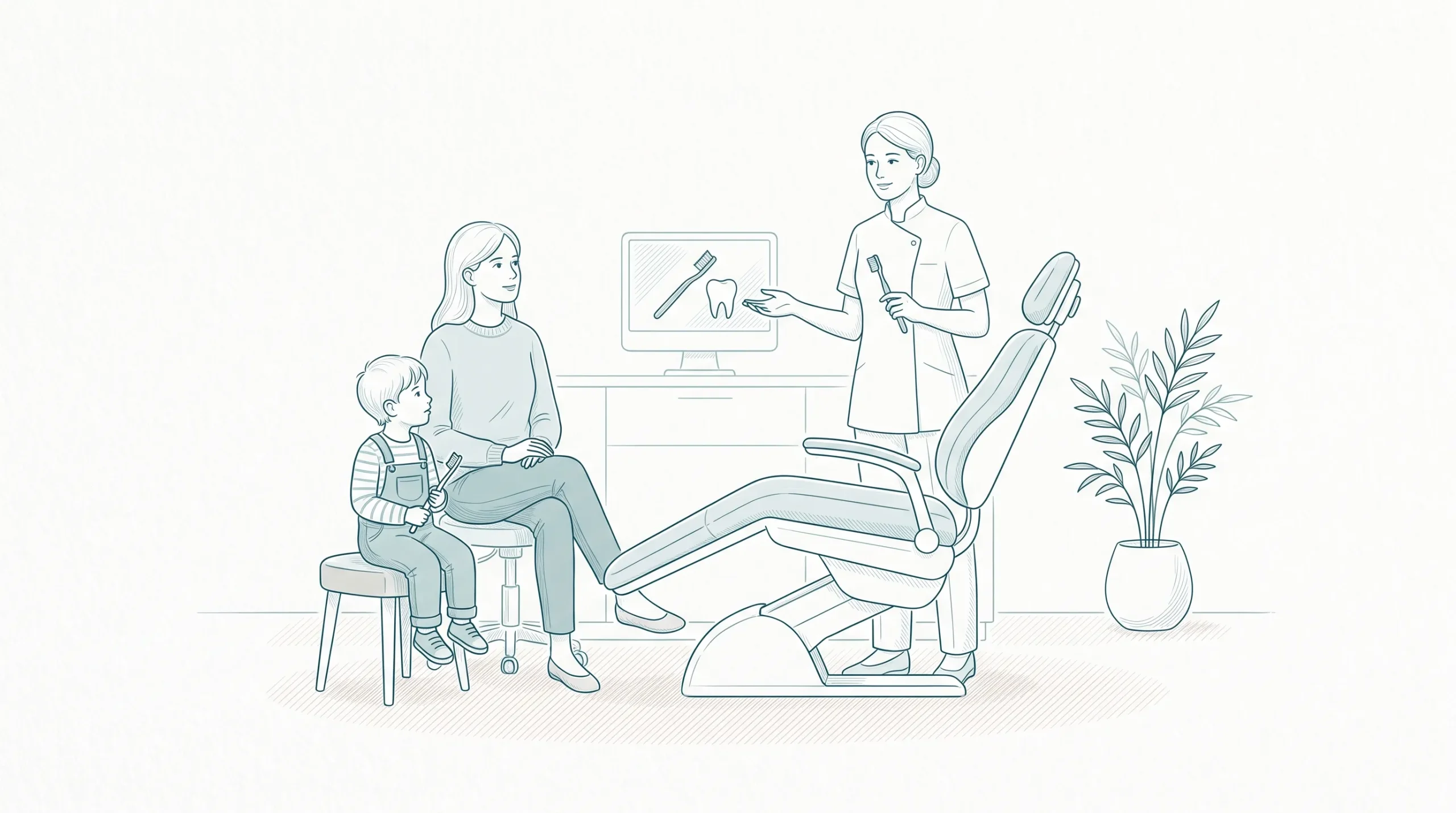
Dental anxiety is common, and people experience it in different ways. Some patients feel uneasy because of a past experience, sensitivity, sounds, needles or uncertainty about what will happen. Others are comfortable with check-ups but anxious about longer treatment.
A family dental practice should take these concerns seriously. Useful signs include a willingness to explain the appointment, agree on pauses, discuss numbing options where appropriate and avoid judgement about how long it has been since your last visit.
Some clinics also offer sleep dentistry or sedation options for selected patients and procedures. These options are not suitable for everyone and may involve additional risks, preparation and recovery considerations. Your dentist can assess whether sedation may be appropriate based on your health history, the treatment being considered and the level of support required.
For families in Geelong, Newtown, Geelong West, East Geelong, Belmont or Highton, practical comfort can also include simple things such as parking, appointment times, how the reception team explains forms and whether children feel settled in the space.
Compare fees, payment options and treatment planning
Dental costs can vary because treatment needs vary. A simple check-up is different from a filling, crown, wisdom tooth removal or implant consultation. Rather than choosing only by the lowest quoted price, it is safer to compare what is included, how the recommendation was reached and whether alternatives have been explained.
For many people searching for a general dental practice near me, payment clarity is just as important as location. Ask for a written treatment plan for non-urgent work, including item numbers where available. If you have private health insurance, item numbers can help you check your expected rebate with your fund.
Gentle Dental Geelong offers payment plans, but any payment arrangement should be considered carefully in light of your own budget and the treatment recommended. If you want a broader local comparison framework, this article on private dental care options in Geelong explains what to consider beyond price alone.
Know when a general dentist may refer you
A general dentist can provide a wide range of care, but some situations may require referral to another dental practitioner or dental specialist. This may include complex oral surgery, certain gum disease concerns, complicated root canal treatment, complex orthodontics or medical conditions that affect dental care.
Referral is not a sign that the original clinic is unsuitable. It can be a responsible part of care when a patient’s needs are outside the scope, equipment or setting of that practice. A helpful clinic will explain why referral is being suggested and what information will be passed on.
Some symptoms should be assessed promptly. These may include facial swelling, dental trauma, severe toothache, fever with dental pain, uncontrolled bleeding or difficulty opening the mouth. If symptoms are severe or affect breathing or swallowing, seek urgent medical care.
Choose for continuity, not just the next appointment
Family dental care often works best when your records, X-rays, medical updates and previous treatment history are kept in one place. This can make it easier for the dentist to monitor changes over time, compare older and newer findings and understand what has or has not worked for you in the past.
If you are choosing a general dental practice near me for long-term care, consider whether the clinic’s services match your family’s likely future needs. Children grow, adults develop new dental priorities and older family members may need support with dry mouth, worn teeth, dentures, implants or medical conditions that influence dental care.
For a life-stage view of oral health priorities, you may also find this practical guide to family dental care at every age useful.
A simple checklist before you book
Before choosing a clinic, it can help to make a short list of what matters most to your family. This keeps the decision practical rather than overwhelming.
- The dentists are registered and the clinic communicates clearly.
- The practice offers routine care for adults and children.
- Fees, item numbers and payment options can be explained before treatment.
- The team can discuss dental anxiety and comfort preferences respectfully.
- The clinic explains risks, benefits and alternatives without pressure.
- The location and appointment times are realistic for your household.
- The practice can advise when referral may be needed.
No single clinic will suit every person. The right choice is one that aligns with your family’s health needs, values, schedule and comfort level.
Frequently asked questions
How often should my family visit a general dentist? The timing depends on each person’s oral health, risk of tooth decay or gum disease, age and previous dental history. Some people need more frequent reviews than others. Your dentist can recommend a suitable recall interval after an examination.
Is a general dentist suitable for children? Many general dentists provide children’s dental care, including check-ups, preventive advice and treatment for common concerns. If a child needs more complex care or has particular behavioural, medical or developmental needs, referral may be discussed.
What should I bring to a first appointment? Bring your Medicare card, private health insurance details if you have them, a list of medications, relevant medical history and any recent dental X-rays if available. For children, bring CDBS information if you believe they may be eligible.
Can I ask for a second opinion? Yes. For significant, complex or costly treatment, it is reasonable to seek another opinion if you are unsure. A dentist should be able to provide copies of relevant records or X-rays in line with usual privacy and record access processes.
What if I am nervous about dental treatment? Tell the clinic when you book and remind the dentist at the start of the appointment. They can discuss ways to make the visit more manageable, which may include clear explanations, breaks, local anaesthetic options or sedation assessment where appropriate.
Discuss your family’s dental needs in Geelong
Choosing a general dental practice near me is ultimately about finding a clinic that can assess your oral health, explain options clearly and provide care that suits your circumstances. A dental examination can help determine the cause of symptoms, whether treatment is needed and which options may be appropriate.
To discuss your family’s dental concerns, you can book an appointment with Gentle Dental Geelong. Your dentist can assess your oral health and explain the potential benefits, risks and alternatives before you decide on any treatment.