

Choosing a dental clinic for your family is a decision you want to get right. It is not just about finding someone who can clean teeth or fix a filling. The right clinic should help your family prevent problems, feel comfortable during treatment, manage urgent issues, and make confident decisions as dental needs change over time.
For families in Geelong, the choice can feel especially personal. You may be looking after young children, teenagers in orthodontic years, parents who need restorative care, or someone who feels anxious about dental visits. A good dental clinic should be able to meet people where they are, clinically and emotionally.
Below is a practical guide to help you compare clinics with confidence, ask better questions, and choose a dentist your family can trust for the long term.
Start with your family’s real dental needs
Before comparing clinics, think about what your household actually needs now and what you may need over the next few years. A young family may prioritise children’s checkups, fissure sealants, mouthguards, and preventive education. Adults may need cosmetic options, wisdom teeth advice, emergency care, or replacement of old fillings and crowns.
If you have elderly parents, you may also need help with dentures, implants, gum health, dry mouth, or complex restorative treatment. If someone in your household avoids dental appointments due to fear, the clinic’s communication style and comfort options become just as important as location.
A helpful dental clinic does not push every patient into the same pathway. It takes time to understand your medical history, oral health goals, budget, lifestyle, and concerns before recommending care.
Check qualifications, registration, and professional standards
In Australia, dental practitioners must be registered to practise. You can confirm a dentist’s registration through the Australian Health Practitioner Regulation Agency register. This is a simple way to check that a practitioner is appropriately registered and whether any conditions apply.
Beyond registration, look for signs that the clinic values continuing education. Dentistry changes over time, from digital imaging and restorative materials to new approaches in preventive care. A clinic that invests in training is more likely to offer current, evidence-informed treatment options.
You do not need to interrogate a clinic about every course its dentists have taken, but it is reasonable to ask about experience in areas that matter to you. For example, if your teenager may need wisdom teeth assessment, ask whether the clinic commonly evaluates and manages wisdom teeth. If you are considering clear aligners or dental implants, ask what the consultation process involves and whether the dentist will explain alternative options.
Look for a prevention-first approach
The best dental clinic for a family is not the one you only see when something hurts. Preventive dentistry helps reduce the risk of tooth decay, gum disease, dental emergencies, and costly treatment later.
A prevention-first clinic should do more than quickly polish teeth. It should assess your gums, check for early decay, screen soft tissues, review your brushing and flossing habits, discuss diet where relevant, and tailor recall intervals to your risk level. According to the Australian Dental Association, oral health is closely linked to daily habits, diet, fluoride exposure, and regular dental care.
For children, prevention is especially important. Early positive visits can help children become confident dental patients. A family-focused clinic should explain things in age-appropriate language, avoid shaming, and help parents understand what is normal at each stage, from baby teeth through to adolescence.
Prioritise communication and chairside manner
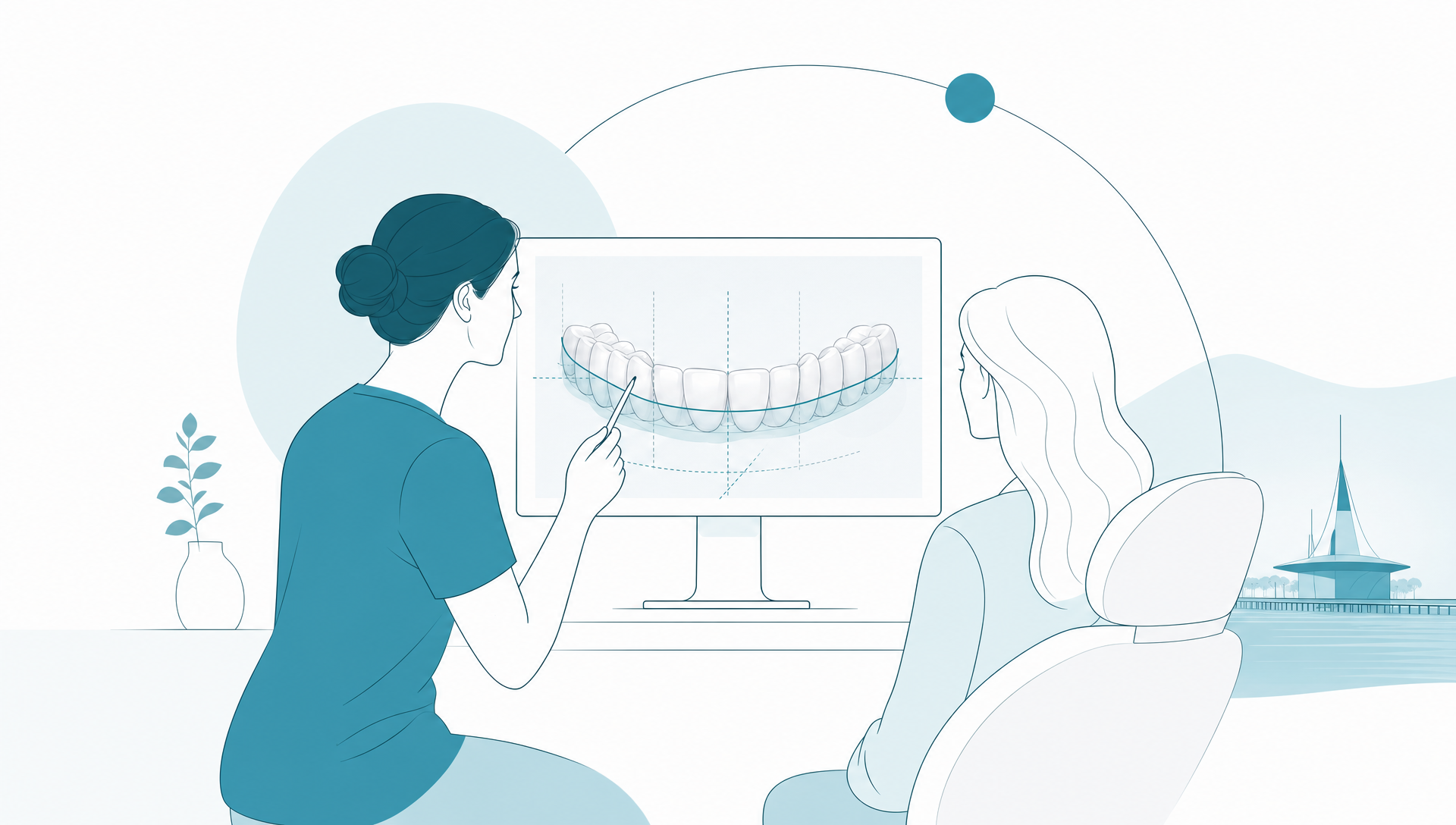
Clinical skill matters, but communication is what helps your family feel safe and informed. A good dentist should explain findings clearly, show you X-rays or photos where useful, discuss the pros and cons of treatment options, and give you time to ask questions.
Pay attention to how the team responds when you call or arrive. Are they patient with questions? Do they explain appointment length, costs, and preparation clearly? Do they listen if you mention dental anxiety, previous bad experiences, pregnancy, medical conditions, or a tight schedule?
This is particularly important for nervous patients. Dental fear is common, and it can lead people to delay treatment until a small problem becomes painful. If someone in your family feels anxious, it can help to choose a clinic that encourages open communication and gradual trust-building. You can also read Gentle Dental Geelong’s advice on how to feel less afraid of the dentist before booking an appointment.
Compare the range of services, but do not be distracted by a long list
A clinic with a broad range of services can make family care easier. It means fewer referrals, more continuity, and a team that already knows your dental history. Common services families may look for include general checkups, fillings, children’s dentistry, emergency care, wisdom teeth assessment, crowns, bridges, dental implants, cosmetic dentistry, and orthodontic options such as Invisalign.
However, the length of a services page is not the only measure of quality. What matters is whether the clinic can explain which treatment is appropriate for you, when a referral may be recommended, and what outcomes are realistic.
For example, if you are exploring cosmetic treatment, you may want a dentist who can discuss tooth whitening, bonding, veneers, gum health, bite considerations, and maintenance. If veneers are something you are curious about, Gentle Dental Geelong has a simple guide that explains what dental veneers are used for.
Make sure the clinic is suitable for children
A family dental clinic should be genuinely child-friendly, not just willing to see children. The difference is in the details.
Children often need more explanation, reassurance, and patience. A good clinic will introduce instruments gently, explain sounds and sensations, and avoid creating fear around treatment. The goal is to build confidence, not just complete the appointment.
Parents should also feel supported. You may need advice on thumb sucking, brushing technique, toothpaste amounts, sports mouthguards, diet, or what to do if a baby tooth is knocked. The clinic should welcome these questions and provide practical guidance.
In Australia, some children may be eligible for the Child Dental Benefits Schedule, a Medicare program that helps cover basic dental services for eligible children. You can check current eligibility and benefit details through Services Australia. If your child is eligible, ask the clinic whether they can help you understand how the benefit applies to your appointment.
Consider convenience, access, and emergency availability
Even the best dental clinic may not be the right fit if appointments are hard to attend. For families, convenience can be the difference between keeping regular checkups and postponing them.
Consider practical factors such as location, parking, opening hours, online booking, appointment reminders, and whether multiple family members can be seen around the same time. If you work full time or manage school schedules, early morning or extended appointment availability may be valuable.
Emergency care is another important factor. Toothache, broken teeth, swelling, lost fillings, and dental trauma can happen unexpectedly. Ask how the clinic handles urgent appointments and what you should do after hours. If you are dealing with pain now, Gentle Dental Geelong has a useful article on toothache relief and prevention in Geelong, but persistent or severe pain should always be assessed by a dentist.
Ask about fees, payment options, and treatment plans
Dental costs can vary depending on the complexity of treatment, materials used, appointment time, and whether X-rays or additional procedures are needed. A trustworthy dental clinic should be transparent before treatment begins.
For routine care, ask what is included in a checkup appointment. For larger treatment, ask for a written treatment plan that explains the recommended steps, estimated fees, alternatives, and expected timeline. If health fund rebates apply, the clinic may be able to provide item numbers so you can check your likely out-of-pocket costs with your insurer.
Payment plans can also help families manage treatment without delaying necessary care. If payment options are important to you, ask what arrangements are available and make sure you understand the terms before agreeing.
Here is a simple comparison checklist you can use when shortlisting clinics:
| What to compare | Why it matters | Questions to ask |
|---|---|---|
| Dentist registration and experience | Confirms the practitioner is qualified and suitable for your needs | Is the dentist registered, and do they regularly provide the type of care I need? |
| Communication style | Helps patients feel informed and comfortable | Will the dentist explain options, risks, fees, and alternatives clearly? |
| Children’s care | Supports positive dental habits from an early age | Does the clinic regularly see children, and is the team patient with young patients? |
| Emergency access | Reduces stress when pain or injury occurs | How quickly can urgent dental problems usually be assessed? |
| Fees and payment options | Helps you plan treatment confidently | Can I receive a written treatment plan and discuss payment options? |
| Range of services | Improves continuity of care for the whole family | Can the clinic manage general, preventive, cosmetic, or advanced needs where appropriate? |
Read reviews carefully, but do not rely on stars alone
Online reviews can be helpful, especially when they mention patterns. Look for comments about gentleness, communication, punctuality, cleanliness, children’s experiences, emergency care, and whether patients felt pressured or respected.
At the same time, reviews are only one part of the decision. A clinic with a perfect rating may still not suit your family’s needs, and a clinic with a few mixed reviews may still provide excellent care. Read the content of reviews rather than only the rating.
It can also help to ask local friends, neighbours, school parents, or healthcare providers for recommendations. Personal recommendations often reveal practical details that reviews miss, such as how well the clinic handles children, anxious patients, or complex treatment planning.
Notice cleanliness, safety, and infection control
A professional dental clinic should feel clean, organised, and well managed. Dental practices in Australia are expected to follow infection prevention and control standards, including sterilisation processes for reusable instruments and appropriate use of protective equipment.
You do not need to inspect the sterilisation room, but you can observe the overall environment. Are treatment areas tidy? Are instruments packaged or prepared appropriately? Does the team use gloves and masks when required? Does the clinic appear calm and systematic rather than rushed and chaotic?
Cleanliness is not just about appearance. It reflects the clinic’s commitment to patient safety, consistency, and professional standards.
Look for personalised treatment, not one-size-fits-all dentistry
Families often have different oral health risks, even under the same roof. One child may be prone to decay, another may have crowded teeth, one parent may grind at night, and another may have gum disease risk due to smoking, diabetes, pregnancy, or medication.
A quality dental clinic should tailor recommendations to the person. That means explaining why a treatment is suggested, what could happen if you delay it, and whether there are conservative alternatives. It also means respecting your values. Some patients want the most comprehensive solution immediately, while others need a staged approach due to time, budget, or anxiety.
Personalised care is especially important for advanced dentistry. Treatments such as implants, crowns, bridges, veneers, wisdom teeth removal, and Invisalign require careful assessment. The right clinic should explain suitability, risks, maintenance, and realistic outcomes before you commit.
Pay attention to how the clinic handles nervous patients
Many people search for a new dental clinic because of past negative experiences. If that is true for you or someone in your family, do not ignore it. Tell the clinic before the appointment so the team can plan accordingly.
A supportive clinic may suggest a consultation first, explain each step before starting, agree on a stop signal, schedule extra time, or discuss comfort options where appropriate. Some clinics also offer sleep dentistry for suitable patients, particularly when anxiety or more complex procedures make treatment difficult.
The right approach depends on the person and the treatment needed. What matters most is that the dentist takes anxiety seriously and does not make the patient feel embarrassed.
Know the red flags before you book
Most dental clinics aim to do the right thing by patients, but there are warning signs worth noting. Be cautious if a clinic gives vague answers about fees, pressures you into treatment without explaining alternatives, dismisses your concerns, or seems unwilling to provide a written plan for major work.
Other red flags include poor communication from reception, rushed consultations, unclear consent, or a dentist who cannot explain why a treatment is necessary. You should never feel silly for asking questions. Informed consent is a core part of good healthcare.
Visit once before making a long-term decision
You do not have to commit your whole family after one phone call. Book an initial checkup or consultation and treat it as a chance to evaluate the clinic.
After the visit, ask yourself whether the dentist listened, whether your questions were answered, whether the fees were clear, and whether the experience felt respectful. If your child attended, consider whether they left feeling calm or frightened. If you felt anxious, consider whether the team helped you feel more in control.
A good dental clinic earns trust through consistency. The first visit should give you confidence that the clinic can become a long-term partner in your family’s oral health.
Frequently Asked Questions
How often should my family visit a dental clinic? Many people benefit from regular dental checkups every six months, but the right interval depends on your oral health, decay risk, gum health, age, and medical history. Your dentist should recommend a schedule that suits each family member.
What should I ask a new dentist at the first appointment? Ask about your current oral health, any urgent concerns, preventive steps, treatment options, estimated fees, and how often you should return. If you are nervous, also ask how the clinic can make treatment more comfortable.
How do I choose a dental clinic for children? Look for a clinic that communicates gently, explains procedures in child-friendly language, welcomes parent questions, and focuses on prevention. A positive early experience can make future dental visits much easier.
Are payment plans important when choosing a dental clinic? They can be, especially for families planning larger treatments such as crowns, implants, orthodontics, or wisdom teeth removal. Ask what payment options are available and make sure you understand the terms.
Should I choose a clinic that offers emergency dental care? Yes, it is helpful to know where to go if someone in your family has toothache, swelling, a broken tooth, or dental trauma. Ask how the clinic manages urgent appointments before an emergency happens.
Choosing a dental clinic in Geelong
The right dental clinic should make your family feel listened to, informed, and comfortable. It should provide preventive care, clear communication, transparent treatment planning, and support for patients of different ages and needs.
If you are looking for family dental care in Geelong, Gentle Dental Geelong offers general and advanced dentistry, including wisdom teeth removal, sleep dentistry, implants, Invisalign, cosmetic dentistry, emergency dental care, and child dental benefits support. To discuss your family’s needs, you can book an appointment with Gentle Dental Geelong.