

A general dentist is often the first person you turn to when something feels wrong with your teeth, but their role goes far beyond fixing toothaches. Regular general dental care helps prevent problems before they become painful, protects your gums and jaw, and supports your overall wellbeing at every age.
For many people in Geelong, seeing a general dentist is the most practical way to keep oral health on track. They can provide routine check-ups, professional cleaning, fillings, gum care, advice for children, emergency support and guidance on whether more advanced treatment may be needed.
Good oral health is not just about having a bright smile. The Australian Institute of Health and Welfare notes that oral disease is common in Australia and can affect eating, speaking, sleep, confidence and quality of life. A general dentist helps you manage these risks early, while treatment is often simpler and more comfortable.
The role of a general dentist in everyday oral health
A general dentist provides the foundation of dental care. Think of them as your regular oral health partner, someone who monitors changes over time, treats common dental problems and helps you make informed decisions about your teeth and gums.
At a routine visit, your dentist does more than look for cavities. They assess your teeth, gums, bite, existing dental work, soft tissues and signs of wear or infection. They may ask about your medical history, medications, diet, smoking or vaping habits, grinding, dry mouth and any symptoms you have noticed.
This matters because oral health changes gradually. A small crack, early gum inflammation or minor decay may not hurt at first. By the time pain appears, the problem may be more advanced. Regular dental care gives you the best chance of catching concerns early.
Preventive care: stopping problems before they start
Prevention is one of the most valuable things a general dentist can do. Even if you brush and floss well, plaque and tartar can build up in areas that are hard to reach, especially around the gumline and between teeth.
During a professional clean, your dental team removes hardened deposits that brushing cannot remove at home. They can also polish the teeth, check your gum health and provide personalised advice on brushing technique, interdental cleaning, fluoride use and diet.
Preventive care may include:
- Regular dental examinations and professional cleaning
- Fluoride advice or application where appropriate
- Fissure sealants for children or teens at risk of decay
- Mouthguards for sport or teeth grinding
- Oral hygiene coaching tailored to your teeth and gums
- Diet and lifestyle advice to reduce decay risk
The frequency of check-ups varies from person to person. Some people do well with visits every six to 12 months, while others need more frequent care due to gum disease, high decay risk, medical conditions, dry mouth or complex dental work. The Better Health Channel explains that regular dental check-ups can help detect problems early and maintain healthy teeth and gums.
Early diagnosis of tooth decay, cracks and wear
Tooth decay often begins silently. A general dentist can spot early changes in enamel, identify areas where plaque is collecting and recommend simple steps before a cavity develops. If decay is already present, they can explain the extent of the problem and discuss suitable treatment.
Cracks and tooth wear are also common. Grinding, clenching, acidic drinks, reflux, hard foods and ageing dental restorations can all contribute. You may notice sensitivity, sharp edges, headaches, jaw tightness or teeth that look flatter than before.
A general dentist can assess whether the issue is cosmetic, functional or urgent. They may recommend monitoring, strengthening the tooth, repairing a worn area, adjusting the bite, using a custom nightguard or considering more advanced restorative treatment if needed.
Treating common dental problems
General dentists manage many everyday dental concerns, from small cavities to broken fillings. Treatment is tailored to the diagnosis, the condition of the tooth and your long-term oral health goals.
| Concern | How a general dentist can help | Why early care matters |
|---|---|---|
| Tooth decay | Diagnose decay and restore the tooth with a filling or other suitable treatment | Small cavities are usually easier to treat than advanced decay |
| Gum inflammation | Clean below the gumline, monitor gum pockets and improve home care | Untreated gum disease can lead to bone loss and loose teeth |
| Toothache | Identify the cause, such as decay, infection, trauma or grinding | Pain can worsen quickly if the source is not treated |
| Chipped tooth | Smooth, repair or restore the tooth depending on the damage | Cracks can spread or expose sensitive inner tooth layers |
| Worn teeth | Assess bite forces, acid wear and grinding habits | Wear can affect comfort, function and appearance over time |
When pain is involved, it is important not to ignore it. Toothache can have many causes, and some need timely attention. If you are dealing with discomfort, Gentle Dental Geelong’s article on how to say goodbye to your tooth ache in Geelong offers practical guidance on prevention and when to seek care.
Gum care and periodontal health
Your gums are the support system for your teeth. Healthy gums should not bleed easily, feel swollen or pull away from the teeth. Bleeding when brushing or flossing is common, but it is not something to dismiss.
Gingivitis, the early stage of gum disease, is often reversible with professional cleaning and improved home care. If inflammation progresses deeper, it can become periodontitis, where the bone and tissues supporting the teeth are affected. This may require more detailed gum treatment and ongoing maintenance.
A general dentist can check for signs of gum disease by measuring gum pockets, assessing bleeding, reviewing X-rays where needed and tracking changes over time. They can also help identify risk factors such as smoking, diabetes, dry mouth, hormonal changes and family history.
Good gum care is especially important because gum disease may progress without obvious pain. Regular checks make it easier to manage early signs before they threaten tooth stability.
Supporting children, teens and families
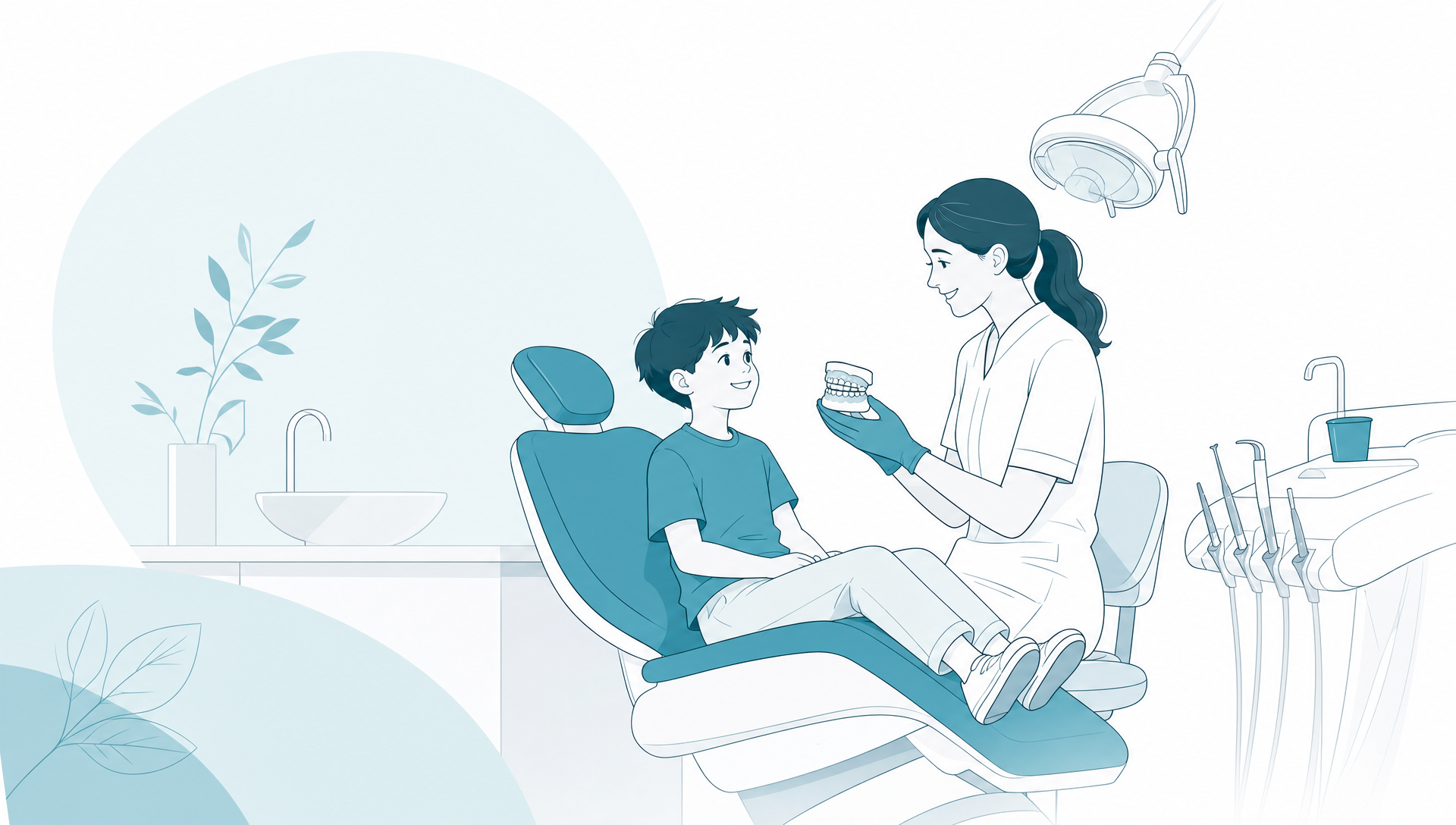
A family-focused general dentist helps children build confidence and positive habits early. Dental visits for children are not only about finding cavities. They are also an opportunity to monitor growth, tooth eruption, jaw development, brushing habits and diet.
For children and teenagers, a dentist may discuss fluoride, fissure sealants, mouthguards for contact sport, orthodontic concerns and how to reduce risk from sugary drinks or frequent snacking. They can also help parents understand what is normal at each stage, from baby teeth through to wisdom teeth.
The goal is to make dental care feel familiar rather than frightening. When children have calm, routine visits, they are more likely to see oral health as a normal part of life.
Cosmetic and restorative guidance
A general dentist can also help if you want to improve the appearance of your smile. Cosmetic concerns often overlap with oral health, so it is important to assess the teeth and gums before choosing a treatment.
For example, staining may be external and respond to cleaning or whitening, but it can also be linked to enamel changes, old restorations or trauma. A chipped tooth may be repaired with bonding, but if the tooth is heavily weakened, another option may be more suitable. Gaps, uneven edges or worn teeth may be cosmetic, functional or both.
General dentists can explain options such as whitening, bonding, crowns, bridges, veneers or orthodontic treatment where appropriate. If veneers are something you are considering, Gentle Dental Geelong has a helpful overview that explains what dental veneers are and how they work.
The key is planning. Cosmetic dentistry should not simply cover up underlying issues. A healthy foundation helps results look better, feel better and last longer.
Emergency dental care and urgent symptoms
Dental emergencies can happen suddenly. A cracked tooth, swelling, knocked tooth, severe pain or broken restoration can be stressful, especially if it affects eating or sleeping.
A general dentist can assess urgent symptoms, relieve pain where possible and recommend the next step. Depending on the issue, treatment may involve a filling, temporary repair, infection management, extraction, root canal treatment or referral for more complex care.
Seek prompt dental advice if you notice facial swelling, fever, pus, severe pain, trauma, uncontrolled bleeding or a tooth that has been knocked out. These symptoms should not wait for a routine check-up.
When advanced treatment is needed
One benefit of having a regular general dentist is that they can help you navigate more advanced treatment when needed. Not every patient requires specialised or complex care, but some situations call for additional planning.
This may include wisdom teeth assessment, dental implants, crowns and bridges, Invisalign treatment, root canal therapy, extractions or sleep dentistry for anxious patients or selected procedures. A general dentist can explain why a treatment may be recommended, what alternatives exist and what the expected steps involve.
For example, root canal treatment is often misunderstood. It is designed to treat infection inside a tooth and help preserve the tooth where possible. If you feel nervous about the idea, you may find reassurance in Gentle Dental Geelong’s article asking whether a root canal is as bad as people say.
Oral health and whole-body wellbeing
Your mouth is part of your body, not separate from it. Oral infections, inflammation, diet, medications and general health conditions can all interact. Dry mouth may increase decay risk. Diabetes can affect gum health. Some medications can change saliva flow or cause gum changes. Pregnancy can make gums more sensitive.
A general dentist takes these broader factors into account. They may ask about your health history, coordinate with your GP where appropriate and adjust preventive advice to suit your situation.
This whole-person approach is especially important for older adults, people with chronic health conditions and anyone taking multiple medications. The right dental plan should be realistic, comfortable and sustainable.
Helping nervous patients feel more in control
Dental anxiety is common, and it can stop people from seeking care until a problem becomes painful. A good general dentist understands that comfort and communication are part of treatment.
If you are nervous, tell the dental team before or at the start of your appointment. You can ask for explanations, request breaks and agree on a signal if you need the dentist to pause. Understanding what is happening often reduces fear.
For more ideas, Gentle Dental Geelong shares practical advice on how to feel less afraid of the dentist, including the importance of communication and reassurance during treatment.
What to expect at a general dental check-up
A check-up is usually straightforward. Your dentist will ask about concerns, examine your teeth and gums, check existing fillings or crowns, assess your bite and look at the soft tissues of the mouth. X-rays may be recommended if they are needed to see between teeth, under fillings, around roots or in the jawbone.
After the examination, your dentist should explain what they found in plain language. If treatment is needed, they can outline the options, priorities, benefits, risks and likely sequence of care. This helps you make decisions without feeling rushed.
A good appointment should leave you with a clear understanding of your oral health and what to do next, whether that is continuing your home routine, booking a clean, repairing a tooth or planning longer-term care.
How to get more value from your dental visits
Your dental appointment is also a chance to ask questions. The more your dentist understands your habits, concerns and goals, the more tailored your care can be.
Before your visit, consider mentioning:
- Any pain, sensitivity, bleeding or swelling
- Changes in your bite, jaw comfort or tooth shape
- Medications, medical conditions or pregnancy
- Whether you grind or clench your teeth
- Cosmetic concerns or goals for your smile
- Anxiety, past dental experiences or comfort preferences
Small details can change the advice you receive. For example, sensitivity may be linked to brushing technique, gum recession, decay, cracks or grinding. The right treatment depends on the cause.
Frequently Asked Questions
How often should I see a general dentist? Many people benefit from a check-up every six to 12 months, but the right interval depends on your gum health, decay risk, medical history and existing dental work. Your dentist can recommend a schedule based on your needs.
Can a general dentist treat toothache? Yes. A general dentist can diagnose the cause of toothache and recommend treatment, which may include a filling, repair, root canal treatment, extraction or other care depending on the problem.
Is a general dentist suitable for children? Yes. General family dentists commonly care for children, teens and adults. They can monitor tooth development, provide preventive care and help children build healthy habits early.
Can a general dentist help with cosmetic concerns? Yes. A general dentist can assess cosmetic concerns such as staining, chips, gaps or uneven teeth and discuss suitable options. They will also check that your teeth and gums are healthy before cosmetic treatment.
What if I am anxious about dental treatment? Tell your dentist before treatment begins. Many patients feel more comfortable when procedures are explained clearly, breaks are offered and a stop signal is agreed on. Some practices may also offer additional comfort options for suitable cases.
Take the next step towards healthier teeth and gums
A general dentist can help you prevent problems, manage pain, protect your gums and make confident choices about your smile. Whether you are due for a routine check-up, have a specific concern or want advice for your family, regular dental care is one of the simplest ways to support long-term oral health.
If you are looking for gentle, high-standard dental care in Geelong, you can book an appointment with Gentle Dental Geelong and discuss the right next step for your oral health.