
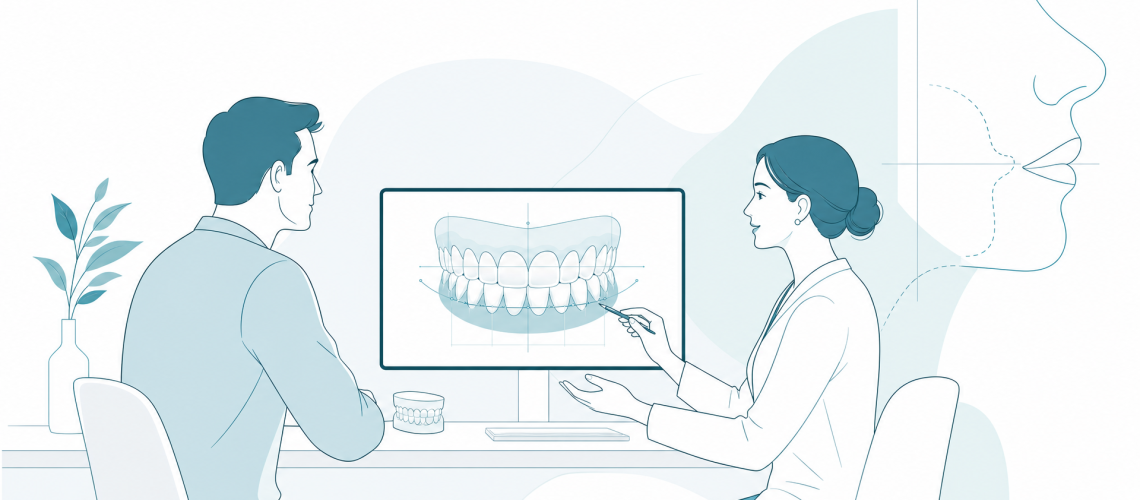
For most people, “exceptional dentistry” is not defined by the newest chair, the brightest waiting room, or a long list of treatments. It is defined by how you feel before, during, and after your appointment. Do you feel listened to? Do you understand your options? Are you treated with patience, respect, and skill? Can you make decisions without feeling rushed?
Exceptional dentistry is both clinical and human. It combines high-standard dental care with clear communication, gentle treatment, careful planning, and a genuine understanding that every patient arrives with different concerns. For families in Geelong, that might mean a child’s first check-up, a nervous adult returning after years away, an urgent toothache, or a complex treatment such as wisdom teeth removal, implants, Invisalign, veneers, crowns, or bridges.
Here is what exceptional dentistry looks like from the patient’s point of view.
It starts with being heard, not just examined
A dental appointment should begin with a conversation. Before anyone looks at your teeth, your dentist should understand why you are there, what you are worried about, what you hope to achieve, and whether you have had difficult dental experiences in the past.
This matters because dentistry is personal. A treatment plan that suits one patient may not suit another, even if the dental issue looks similar. A busy parent may need appointments planned around school and work. A nervous patient may need extra explanation and breaks. Someone considering cosmetic dentistry may need time to weigh appearance, function, cost, and long-term maintenance.
The Dental Board of Australia’s Code of Conduct places strong emphasis on respectful, patient-centred care, communication, informed consent, and working in partnership with patients. In practical terms, that means your dentist should not only diagnose. They should listen, explain, answer questions, and help you feel involved in decisions about your own mouth.
You understand what is happening and why
One of the clearest signs of exceptional dentistry is clarity. Patients should not leave an appointment confused about what was found, what needs attention, or what the next step is.
A good dental explanation does not need to be complicated. Your dentist should be able to describe what they see, why it matters, and what may happen if it is left untreated. Where appropriate, this might include showing you X-rays, photographs, models, or diagrams so the problem is easier to understand.
Clear communication is especially important when there are multiple treatment options. For example, a damaged tooth may have more than one possible solution depending on the extent of the damage, the health of the surrounding teeth, your bite, your budget, and your long-term goals. Exceptional dentistry helps you compare those options without pressure.
| What patients need | What exceptional dentistry provides |
|---|---|
| A clear diagnosis | Plain-language explanation of what is happening |
| Treatment choices | Options with benefits, limitations, and likely outcomes |
| Time to decide | Space to ask questions and consider priorities |
| Cost awareness | Discussion of fees, payment options, and staged care where suitable |
| Confidence | A plan that feels realistic, understood, and agreed upon |
This level of communication is not a bonus. It is part of safe and ethical care.
Treatment is tailored, not one-size-fits-all
Exceptional dentistry recognises that your mouth is connected to your lifestyle, health history, habits, and preferences. A dentist may consider factors such as your oral hygiene routine, diet, grinding or clenching, medical conditions, medications, smoking or vaping, previous dental work, anxiety levels, and cosmetic goals.
For example, two patients may both ask about improving their smile. One may benefit from whitening and minor cosmetic bonding. Another may need orthodontic alignment, gum health management, or porcelain restorations. If you are exploring cosmetic options, it is worth learning what treatments such as dental veneers can and cannot do before deciding whether they suit your teeth.
Personalised care also applies to general dentistry. Preventive advice should be specific, not generic. If decay keeps appearing in the same area, the conversation should go beyond “brush better”. It may include technique, fluoride exposure, dry mouth, snacking frequency, mouth breathing, orthodontic appliances, or hard-to-clean tooth anatomy.
Comfort is taken seriously
Many patients delay dental care because they expect discomfort, judgement, or loss of control. Exceptional dentistry does not dismiss those concerns. It acknowledges them and works with the patient to make treatment feel manageable.
Comfort can mean many things. It may involve gentle technique, topical anaesthetic before local anaesthetic, taking breaks, explaining each stage before it happens, agreeing on a stop signal, or offering options for patients who are particularly anxious. For some procedures and suitable patients, sleep dentistry may be discussed as part of a broader comfort plan.
Dental anxiety is common, and it can create a cycle where avoidance leads to bigger problems, which then makes future treatment feel more intimidating. If fear has kept you away, practical communication strategies can help. Gentle Dental Geelong has also shared advice for patients who feel afraid of going to the dentist, including ways to build trust and stay in control during appointments.
Prevention is treated as seriously as treatment
It is easy to think of dentistry only when something hurts. But exceptional dentistry is not just about fixing problems. It is also about helping patients avoid preventable pain, cost, and complexity.
Preventive care may include regular examinations, professional cleaning, gum health checks, oral cancer screening, fluoride advice, fissure sealants for children where appropriate, dietary guidance, and monitoring wear from grinding or erosion. The goal is to detect small changes early, when treatment is usually simpler.
According to the Australian Institute of Health and Welfare, oral health affects overall wellbeing and can influence eating, speaking, sleep, confidence, and quality of life. This is why dentistry should not be separated into “health” and “appearance” too neatly. A healthy mouth supports daily comfort, function, and self-confidence.
For families, prevention also creates good habits early. A child who experiences dentistry as calm, normal, and encouraging is more likely to maintain routine care as an adult. Exceptional family dentistry meets children where they are, explains things in age-appropriate language, and supports parents with realistic guidance.
Urgent problems are handled with care and priorities
When you have a toothache, broken tooth, swelling, or dental injury, you usually want two things: relief and a clear plan. Exceptional emergency dental care focuses first on understanding the cause and stabilising the situation, then explaining what treatment is needed next.
Tooth pain can come from decay, infection, cracks, gum problems, trauma, wisdom teeth, sinus issues, or bite stress. Because the causes vary, self-diagnosis can be unreliable. Severe pain, facial swelling, fever, difficulty swallowing, or trauma should be assessed promptly.
For less severe discomfort, prevention and early action still matter. Gentle Dental Geelong has written about ways to reduce the risk of dental pain and when to seek help for a toothache in Geelong. The key message is simple: pain is information, and it should not be ignored.
Complex treatment is planned carefully
Advanced dentistry requires more than technical skill. It requires planning, sequencing, risk assessment, and honest communication about limitations.
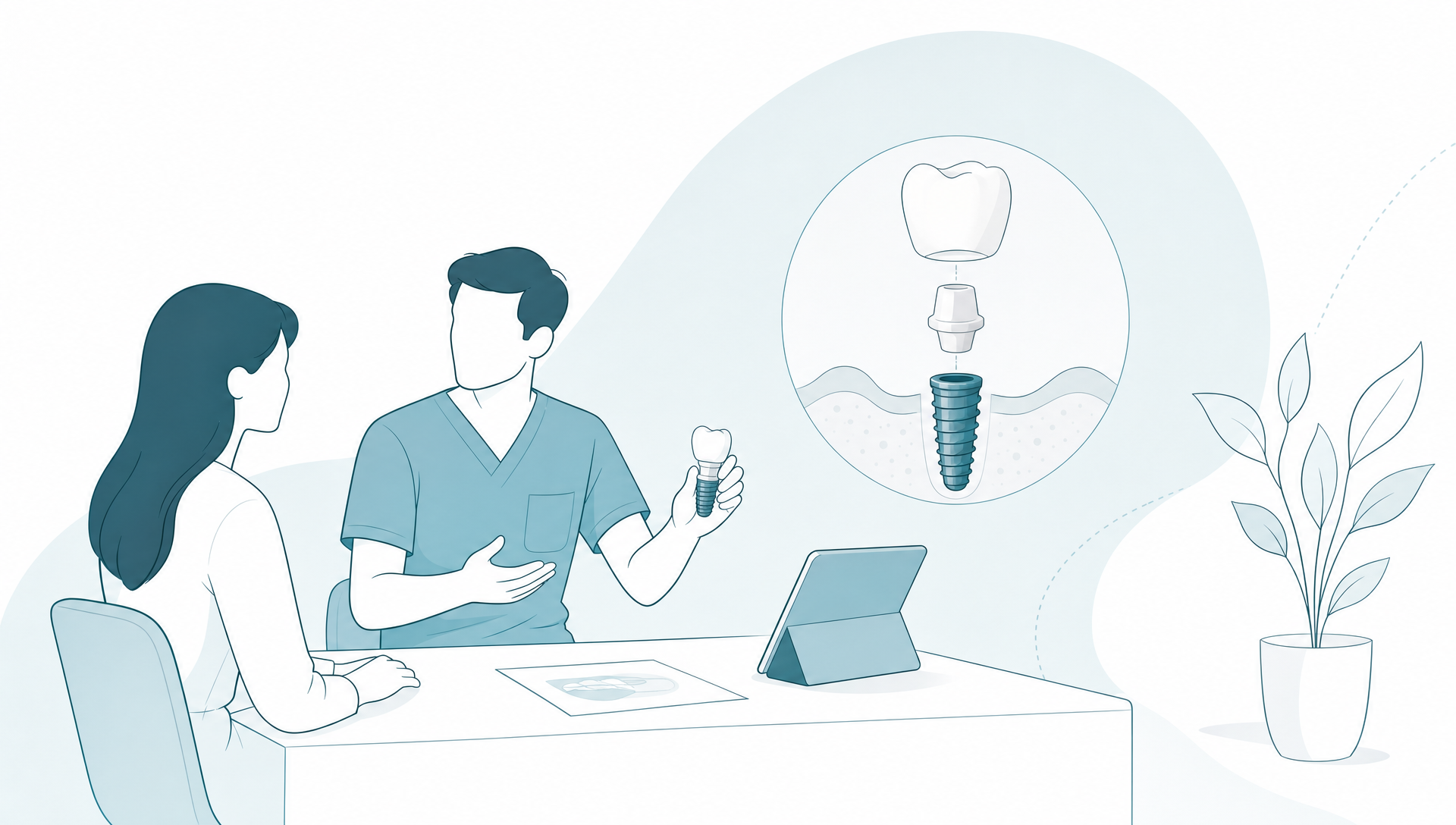
Consider treatments such as wisdom teeth removal, dental implants, crowns, bridges, Invisalign, or porcelain veneers. Each can be highly effective for the right patient, but none should be presented as a quick decision without proper assessment. Exceptional dentistry considers the foundation first: gum health, bone support, bite forces, existing restorations, hygiene, medical history, and patient expectations.
A strong treatment plan should answer questions such as:
- What problem are we trying to solve?
- What are the available treatment options?
- What are the risks and benefits of each option?
- How long is treatment likely to take?
- What maintenance will be required afterwards?
- What happens if I do nothing for now?
These conversations protect patients from surprises. They also help ensure that treatment is chosen for the right reasons, not because it sounds impressive or trendy.
Fees and payment are discussed transparently
Cost is a real part of dental decision-making. Patients should feel comfortable asking about fees, health fund considerations, payment plans, and whether treatment can be staged safely over time.
Exceptional dentistry does not make patients feel embarrassed about budget. Instead, it helps prioritise care. Some treatment is urgent, some is important but not immediate, and some is elective. A clear plan can separate these categories so patients understand what needs attention first.
Transparency also means explaining the long-term value of preventive care. A small problem detected early may be less costly and less invasive than a larger problem treated later. While not every dental issue can be prevented, regular care often improves the chance of simpler intervention.
Follow-up and continuity matter
A dental relationship should not feel transactional. After treatment, patients may need follow-up instructions, healing checks, maintenance advice, or ongoing monitoring. Exceptional dentistry gives patients a clear understanding of what to expect after a procedure and when to call if something does not feel right.
Continuity is especially valuable for families and patients with long-term needs. When a dental team knows your history, they can identify changes more easily and tailor advice over time. This is important for patients managing gum disease, tooth wear, complex restorative work, orthodontic treatment, or recurring dental anxiety.
The best care often comes from a partnership. Your dentist brings clinical training and experience. You bring knowledge of your symptoms, goals, habits, and concerns. When both sides communicate well, dentistry becomes more predictable and less stressful.
How to recognise an exceptional dental experience
You do not need to be a dental expert to know whether you are receiving quality care. Pay attention to how the experience feels and whether you are being given the information needed to make confident decisions.
A patient-centred dental visit often includes a calm welcome, respectful questions, a thorough examination, understandable explanations, clear options, consent before treatment, and practical aftercare advice. You should feel able to ask “why?”, “what are my alternatives?”, “what will it cost?”, and “what happens next?” without feeling rushed or judged.
Exceptional dentistry also respects your time. That does not mean every appointment can be instant, especially when emergencies or complex procedures are involved. But it does mean the practice communicates clearly, plans carefully, and treats your concerns as valid.
Frequently Asked Questions
What does exceptional dentistry mean? Exceptional dentistry means high-standard clinical care delivered with clear communication, gentle technique, personalised planning, informed consent, and respect for the patient’s comfort, goals, and circumstances.
How can I tell if a dentist is patient-centred? A patient-centred dentist listens before recommending treatment, explains findings in plain language, discusses options and costs, checks that you understand, and encourages questions without pressure.
Is gentle dentistry only for nervous patients? No. Gentle dentistry benefits everyone. It can make routine check-ups, children’s visits, emergency care, and complex treatment feel calmer, clearer, and more manageable.
Should I see a dentist if my toothache comes and goes? Yes. Intermittent toothache can still indicate decay, cracks, gum problems, infection, or bite issues. Early assessment may help prevent the problem from becoming more painful or complex.
Do cosmetic treatments count as exceptional dentistry? They can, when they are planned around both appearance and oral health. Cosmetic dentistry should consider tooth structure, gum health, bite, longevity, maintenance, and realistic expectations.
Looking for gentle, high-standard dental care in Geelong?
Exceptional dentistry is not about one single treatment. It is about how every stage of care is delivered, from the first conversation to the final follow-up. Patients deserve dentistry that is skilled, gentle, transparent, and tailored to their needs.
If you are looking for a family dental practice in Geelong that offers general dentistry, wisdom teeth removal, sleep dentistry, dental implants, Invisalign, crowns, bridges, porcelain veneers, emergency dental care, payment plans, and support for children’s dental needs, Gentle Dental Geelong can help you take the next step with confidence.